The Accidental Genius of the Shaded Canal
I’ve been staring at the maps of California’s Central Valley, trying to figure out why it took us decades to realize that open water and high-intensity sunlight are a terrible combination. We have 4,000 miles of open-air canals in the state, essentially giant liquid conveyor belts baking under a sun that wants to turn them into vapor. Now, the Project Nexus pilot in the Turlock Irrigation District is proving that by simply putting a lid on the pot, we solve three or four problems at once.
It’s rare to find a design choice where the benefits are circular rather than a trade-off. Usually, if you want more power, you lose more land. If you want more water, you spend more energy. But here, the water cools the panels, which makes them produce more electricity, while the panels shade the water, which keeps it from disappearing. It feels less like a traditional engineering project and more like finding a cheat code for the laws of thermodynamics.
Why Thermodynamics Loves a Cold Bath
Most people think solar panels love heat because they love sun, but physics is actually a bit more temperamental than that. Solar cells are like high-performance athletes; they perform significantly worse when they’re overheating. Once a panel gets too hot, its voltage drops, and efficiency plummets. This is where the "mutualistic feedback loop" comes in. By hovering these panels over moving water, the ambient temperature of the hardware stays lower than it would in a dusty, stagnant field.
- Photovoltaic efficiency can jump by as much as 5% just from the cooling effect of the water below.
- We are talking about 13 gigawatts of potential solar power if we covered the whole network.
- That’s roughly 1/6th of California’s current installed capacity, built on land we’ve already paid for.
The math on the water side is even more staggering. California loses an estimated 63 billion gallons of water to evaporation every year from these canals. That is enough to irrigate 50,000 acres of farmland or supply the residential needs of 2 million people. We aren't digging new wells or praying for rain; we are just stopping the sky from stealing what we already have. It makes me wonder what other massive inefficiencies we’ve accepted as "just the way things are."
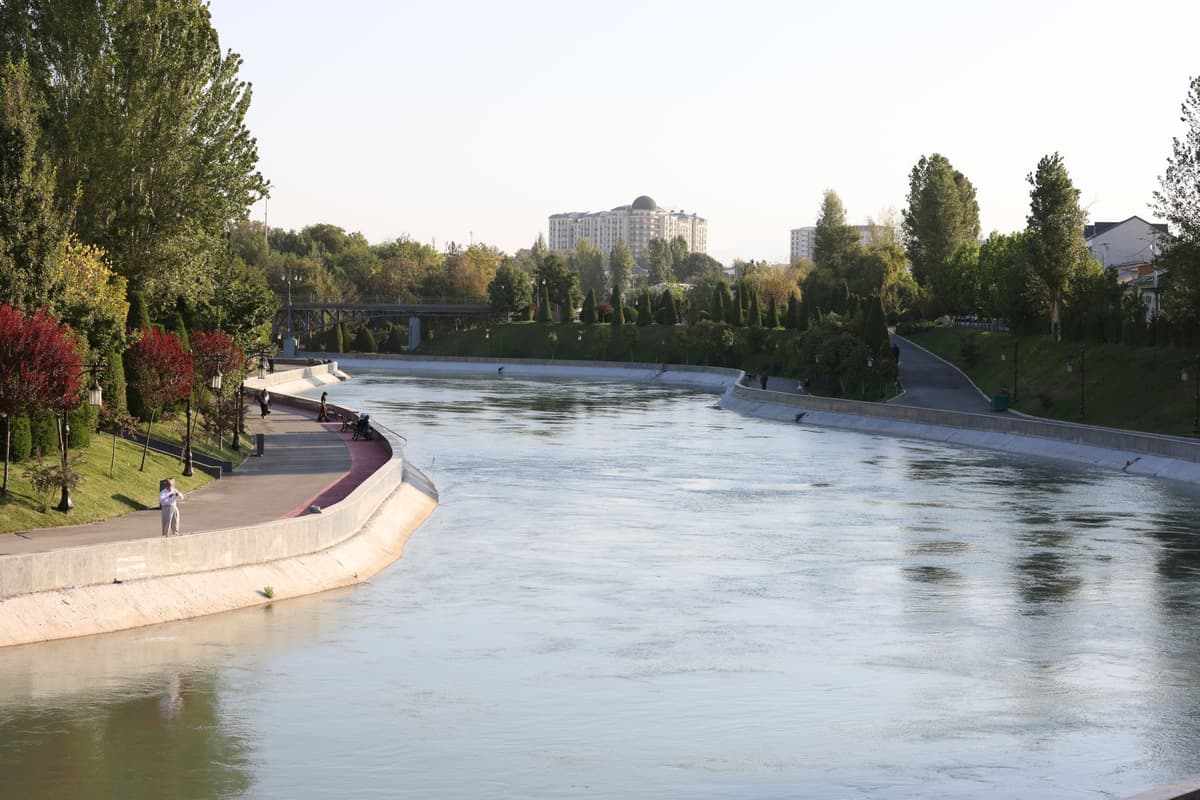
Photo by Xayriddin Baxromxo'jayev on Pexels
The War on Toxic Green Sludge
There is a third, less glamorous benefit that I didn't see coming until I looked at the maintenance logs: the death of the weeds. Open canals are essentially petri dishes for aquatic plants and algae. When you dump massive amounts of sunlight into nutrient-rich agricultural runoff, things grow fast. These weeds clog the pumps, slow the flow, and require expensive chemical treatments or mechanical scraping to clear out.
By installing solar canopies, we are effectively turning off the lights in the algae’s favorite room. Without photosynthesis, the weed growth collapses. This isn't just a win for the environment because we use fewer chemicals; it’s a massive reduction in the literal friction of moving water. It turns out that the best way to manage an ecosystem we created by accident is to stop feeding it the one thing it needs to thrive: direct, unmitigated radiation.
What This Actually Means
If the data from these pilots holds up, we are looking at a fundamental shift in how we view infrastructure. For the last century, we built things in silos. Power plants were for power, and aqueducts were for water. We are moving toward a "multi-stack" reality where every square inch of human-made footprint has to do at least two jobs. It’s a more sophisticated way of living on a planet that is increasingly crowded and increasingly thirsty.
I find myself wondering why we aren't doing this with every parking lot and every reservoir in the country. If the "Nexus of Scarcity" proves that these systems are more efficient when they are intertwined, then our old habit of separating everything looks increasingly primitive. We’ve spent so much time trying to conquer nature; maybe the real breakthrough is just learning how to stack our needs so they stop competing with each other.
Ultimately, this isn't just about California or solar panels. It’s about the realization that our biggest problems—energy, water, and land use—don't have to be a zero-sum game. Sometimes, the solution isn't a new invention, but a better way of arranging the pieces we already have on the board.
Quick Answers
Does this make the water unsafe?
No, the panels don't touch the water; they sit on steel trusses above it, and preventing algae growth actually improves the overall water quality.
Is it more expensive than ground-mounted solar?
Initially, yes, because building over water requires more complex engineering, but the 5% efficiency gain and reduced maintenance costs usually bridge that gap over time.
What happens when the canals need repairs?
The canopy systems are designed with modularity in mind, allowing sections to be moved or accessed by cranes for periodic dredging or concrete repair.