Your SSD Is Now a Group Project
For years, we were told that the move to silicon-integrated storage was about speed and efficiency, rather than a clever way to ensure you couldn't upgrade your laptop without buying a new one. Now, Apple has revealed the true purpose of those non-user-replaceable chips: they are the designated parking lot for several gigabytes of weights and biases you didn't ask for. Apple Intelligence is here, and it demands a tribute of local storage that would make a 2004-era hard drive weep in terror.
We used to call this bloatware when Microsoft did it with Candy Crush. When Apple does it, it's a "foundational layer of the user experience." It is a fascinating evolution of the user-product relationship where you pay $2,000 for a machine, only to find out you're actually just hosting a high-maintenance digital tenant that refuses to pay rent or help with the chores.
The Luxury of Having No Choice
The most delightful part of this rollout is the sheer optimism of the "turn it off" toggle. You can certainly flip the switch to stop the AI from hallucinating your calendar events, but don't expect your storage space to come back from the war. Those models are staying right where they are, nestled into your system partition like a parasite that has successfully convinced the host it’s an organ.
Power users are currently engaged in a high-stakes game of digital Tetris, trying to find ways to reclaim the 10GB to 30GB of space these models occupy. It’s a nostalgic throwback to the days of deleting System32 files, except now we’re doing it to stop our computers from becoming sentient spell-checkers. There is a certain irony in a company that charges a $200 premium to move from 256GB to 512GB of storage then immediately filling that delta with a model that summarizes your junk mail.

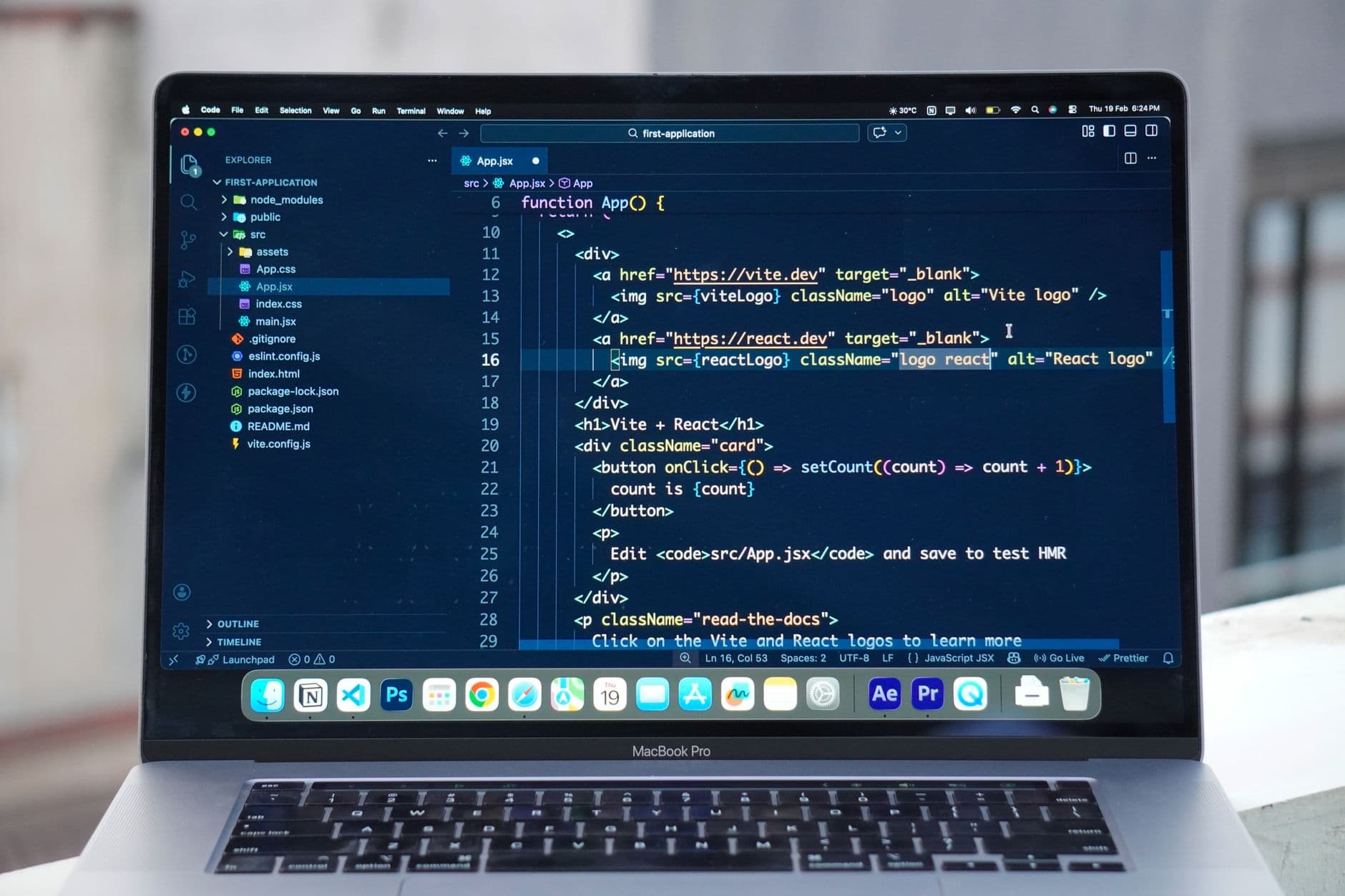
Photo by Faruk Tokluoğlu on Pexels
This isn't just about space; it's about the principle of hardware sovereignty. If I buy a house and the builder decides to store three tons of gravel in my guest bedroom "just in case I want to build a patio later," I’d be annoyed. In the tech world, we call that a feature update and wait for the keynote.
The Minimalist Counter-Revolution
A new breed of user is emerging: the digital survivalist. These are people who treat a macOS update like a suspicious package left on a doorstep. They are scouring forums for terminal commands to prune the "Intelligence" from their machines, preferring a dumb computer that actually has room for their 4K video projects over a smart one that tells them its disk is full.
- They are disabling SIP (System Integrity Protection) just to delete a folder named 'GenerativeModels'.
- They are staying on Monterey or Ventura like they're hiding in a fallout shelter from the impending cloud of LLM updates.
- They are treating "Neural Engine" as a dirty word, synonymous with "planned obsolescence via software bloat."
It is a strange time when the most sophisticated users are the ones trying to make their computers less capable. We’ve reached a point where the "Pro" in MacBook Pro stands for "Professional at managing the 40GB of mystery data Apple injected into my boot drive."
What This Actually Means
This is the end of the zero-sum game for consumer hardware. In the past, software grew to fill the available hardware, but it usually did so to provide a service you were actually using. Now, we are entering the era of "Pre-emptive Bloat," where hardware is sold at a premium to facilitate background tasks that serve the platform's ecosystem goals more than the user's immediate needs.
Your 512GB SSD is no longer 512GB. It is 512GB minus the weight of Apple’s ambitions. As local LLMs become the standard, the baseline storage requirements will inevitably creep upward, forcing users into higher-tier hardware not because their files are bigger, but because the OS is getting heavier. It’s a brilliant business model: sell the storage, fill the storage, sell more storage.
Ultimately, the "minimalist" movement isn't about being a Luddite. It’s a desperate attempt to maintain the utility of a tool against a manufacturer that wants to turn that tool into a billboard for its latest R&D project. If you want to keep your disk space, you’ll have to fight for it—one terminal command at a time.
Quick Answers
Can I actually delete the Apple Intelligence models to save space?
Not easily; Apple considers these core system files, meaning they are protected by the Signed System Volume, making them nearly impossible to remove without breaking the OS.
How much space are we actually talking about?
Early estimates suggest the initial models take up roughly 4GB to 6GB, but that is expected to balloon as more complex multimodal features are added in future point releases.
Is this just an Apple problem?
Hardly. Microsoft’s Recall and Google’s Gemini integration on Chromebooks are playing the exact same game of "Who’s SSD Is It Anyway?"