Your Basement is Now a Power Plant
For decades, the energy industry operated on a very simple, very expensive philosophy: if you need more power, just build a bigger fire. We constructed these massive, centralized cathedrals of combustion, usually tucked away in neighborhoods where the residents didn't have the lobbying budget to complain about the soot. Now, Green Mountain Power is making the radical suggestion that maybe, just maybe, we could store electricity in the same places where we actually use it. It is a shocking concept that involves using technology from this millennium.
By subsidizing thousands of home batteries, Vermont has created a "Virtual Power Plant" (VPP). When the temperature drops and everyone turns on their heaters at once, the grid doesn't have to beg a fossil-fuel peaker plant to wake up from its slumber and start vomiting carbon for a premium price. Instead, the grid just quietly siphons a little juice from the sleek white boxes hanging in suburban garages. It’s efficient, it’s quiet, and it makes the traditional utility model look about as sophisticated as a horse-drawn carriage on the Autobahn.
The Tragedy of the Idle Peaker Plant
Spare a thought for the poor peaker plant. These facilities are the ultimate participation trophy of the energy world. They sit idle for roughly 90% of the year, collecting dust and maintenance fees, only to roar to life during the hottest three days of August or the coldest week of January. They are the energy equivalent of owning a Lamborghini that you only drive to the grocery store once every six months, but you still pay the full insurance and registration every single day.
Vermont’s shift to distributed storage is essentially telling these plants that their services are no longer required. In 2023, during a series of peak events, Green Mountain Power saved its customers an estimated $3 million by using home batteries instead of buying expensive market power. That’s $3 million that didn't go into the pockets of energy speculators or coal magnates. One can only imagine the heartbreak in the boardrooms of companies that specialize in burning things to make steam.
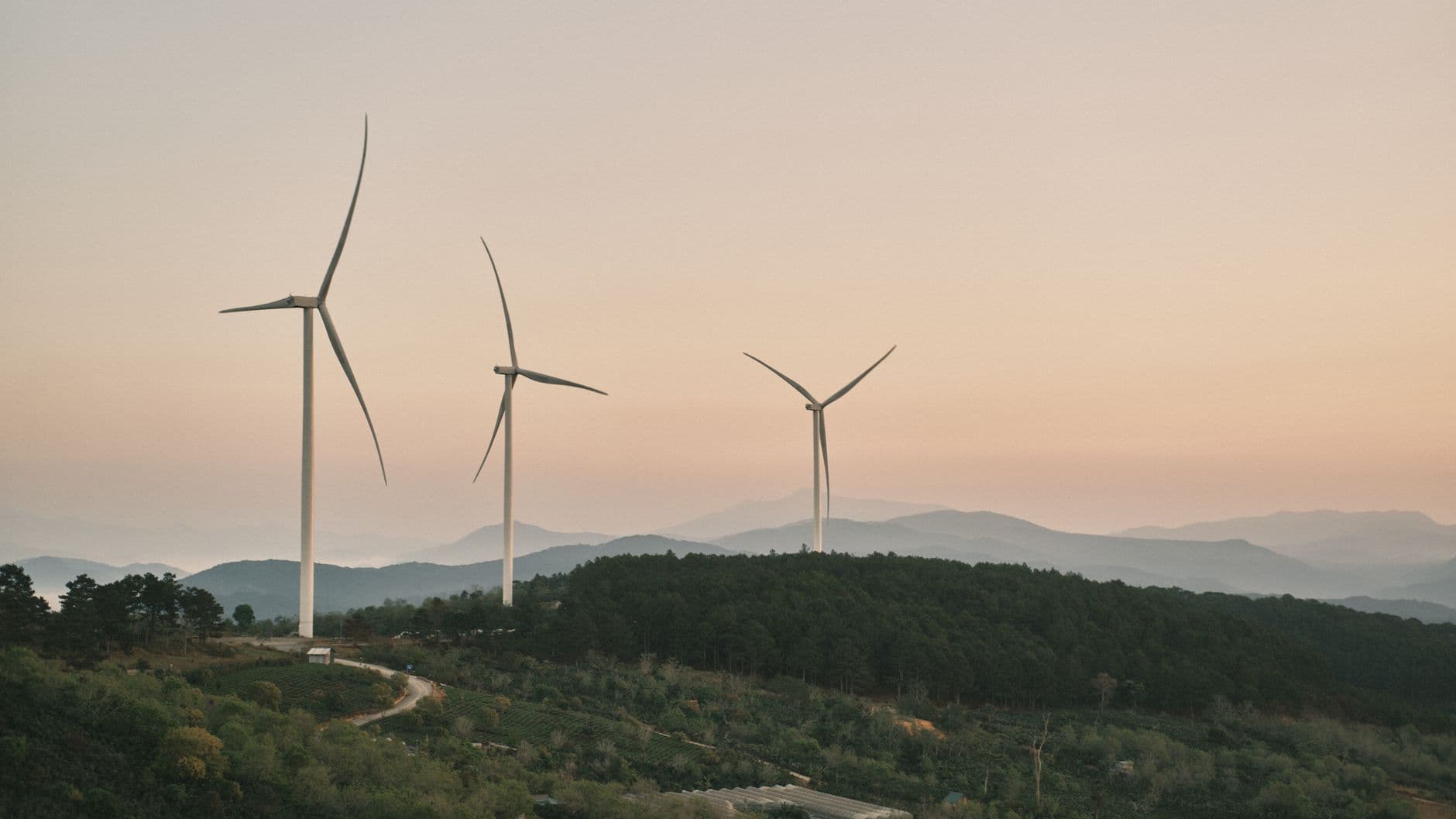
Photo by Vladimir Srajber on Pexels
Trusting the Neighbors Instead of the Monolith
There is something deeply offensive to the traditionalist mind about the idea of a decentralized grid. We are taught to trust the Great Centralized Authority—the massive substation, the humming high-voltage lines, the impenetrable billing department. The idea that 5,000 individual homes could coordinate their discharge to stabilize a regional network feels like anarchy. It’s the Wikipedia of power generation, and just like Wikipedia, it’s working significantly better than the expensive, leather-bound encyclopedia it replaced.
This model also solves the hilarious problem of "line loss." In a traditional system, we generate power in the middle of nowhere and then lose about 5% to 7% of it just trying to push it through hundreds of miles of wire to get to your house. It is the only business model where losing nearly a tenth of your product in transit is considered a standard operating procedure. By storing power at the edge of the grid, Vermont has effectively decided that maybe we shouldn't be heating the atmosphere with copper wires just for the fun of it.
What This Actually Means
The "Virtual Power Plant" is the final nail in the coffin for the argument that renewables are too "unstable" for the real world. We’ve spent years hearing that wind and solar are cute hobbies but can’t handle the "baseload" requirements of a serious society. Vermont is proving that the problem wasn't the sun or the wind; it was our stubborn insistence on using a storage system designed in the era of the telegraph. If you have enough batteries, the grid doesn't care if the sun is down; it just cares that the math adds up.
We are moving toward a world where the utility company acts less like a feudal lord and more like a traffic air controller. They don't need to own the cars; they just need to make sure nobody crashes. As more states realize that it's cheaper to buy their customers a battery than it is to build a new billion-dollar substation, the centralized grid will continue its slow, graceful transformation into a museum exhibit. It’s a terrifying prospect for people who sell coal, but for everyone else, it’s just common sense.
Eventually, the idea of a "power outage" will feel as quaint and archaic as a "busy signal" on a telephone. We’ll tell our grandkids about the days when a single tree branch falling in a forest could plunge 50,000 people into darkness, and they’ll look at us with the same pity we reserve for people who had to hand-crank their cars to get them started.
Quick Answers
Is this just for rich people in Vermont?
Hardly, Green Mountain Power offers programs where customers pay a small monthly fee or nothing at all in exchange for the utility using the battery during peaks. It turns out utilities are so desperate to avoid peaker plant costs they'll practically give the hardware away.
Does this mean the big power plants are all closing?
Not tomorrow, but they’re definitely sweating. As storage capacity grows, the economic justification for keeping a massive, dirty plant on life support for "just in case" scenarios becomes impossible to explain to shareholders.
What happens if my battery dies?
Then you’re back to the old system of relying on the grid, which is exactly where you were before. The "virtual" part of the plant means the system is redundant; if one house goes dark, the other 4,999 pick up the slack.