The Great Dutch Software Escape
So, the Netherlands, a country famous for tulips, windmills, and aggressively polite cycling, has decided that Microsoft Windows is about as trustworthy as a squirrel at a nut convention. And who can blame them? When your biggest trading partner starts wielding sanctions like a toddler with a Sharpie, suddenly that cozy vendor lock-in starts looking less like a convenience and more like a digital straitjacket. The Dutch are officially saying, 'Bedankt, but no thanks,' to being tied to a system where a geopolitical spat could mean their government servers start spewing error messages in Klingon. They're not just switching operating systems; they're staging a full-blown digital revolution, armed with package managers and a healthy dose of 'not on our watch.'
This isn't your typical Tuesday software update. This is a country looking at its digital infrastructure and realizing it's built on quicksand owned by a company that might, on a whim, decide to reroute all its traffic through a server farm guarded by aggressively territorial badgers. The idea that national security can be dictated by the terms of service of a multinational corporation is, frankly, terrifying. It’s like letting the local baker decide what time the national clocks strike noon. It’s a recipe for chaos, or at least some very confused lunch breaks.
NixOS: For When You Like Your Software With a Side of Bewilderment
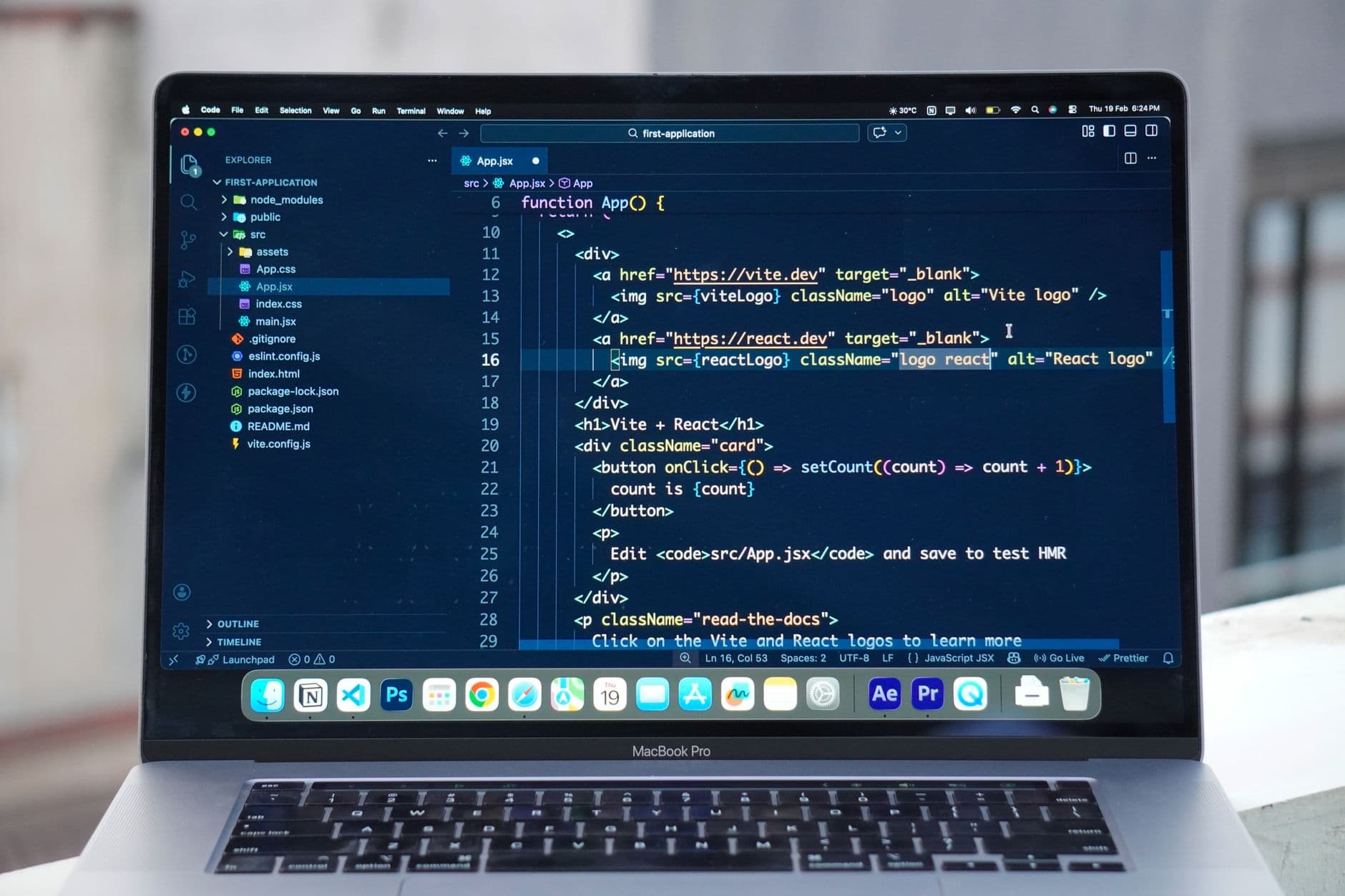
Now, let’s talk about NixOS. If Microsoft Windows is the comfy, slightly-too-worn armchair of operating systems, NixOS is… well, it’s more like a highly engineered, self-assembling IKEA furniture set that only works if you assemble it in a specific, mathematically perfect order, using tools you didn’t know existed. It’s known for its declarative configuration, which sounds like something you’d read on a very serious, very boring philosophy textbook. Essentially, you tell NixOS what you want, and it figures out how to get there, ensuring that if you mess something up, you can reliably roll back to a previous, less-messed-up state. Think of it as digital time travel, but instead of saving the dinosaurs, you’re saving yourself from accidentally deleting the entire national budget.
This approach makes it incredibly reproducible and secure. If the Dutch government needs to deploy a secure system across thousands of machines, NixOS can theoretically do it with a level of precision that makes Swiss watchmakers look like they’re whittling with a butter knife. It’s the kind of system that appeals to people who value control, predictability, and perhaps a good dose of intellectual masochism. Because let’s be honest, diving headfirst into NixOS when you’re used to point-and-click simplicity is probably akin to learning to juggle chainsaws while riding a unicycle. It’s impressive, it’s effective, but there’s a high potential for comedic disaster.
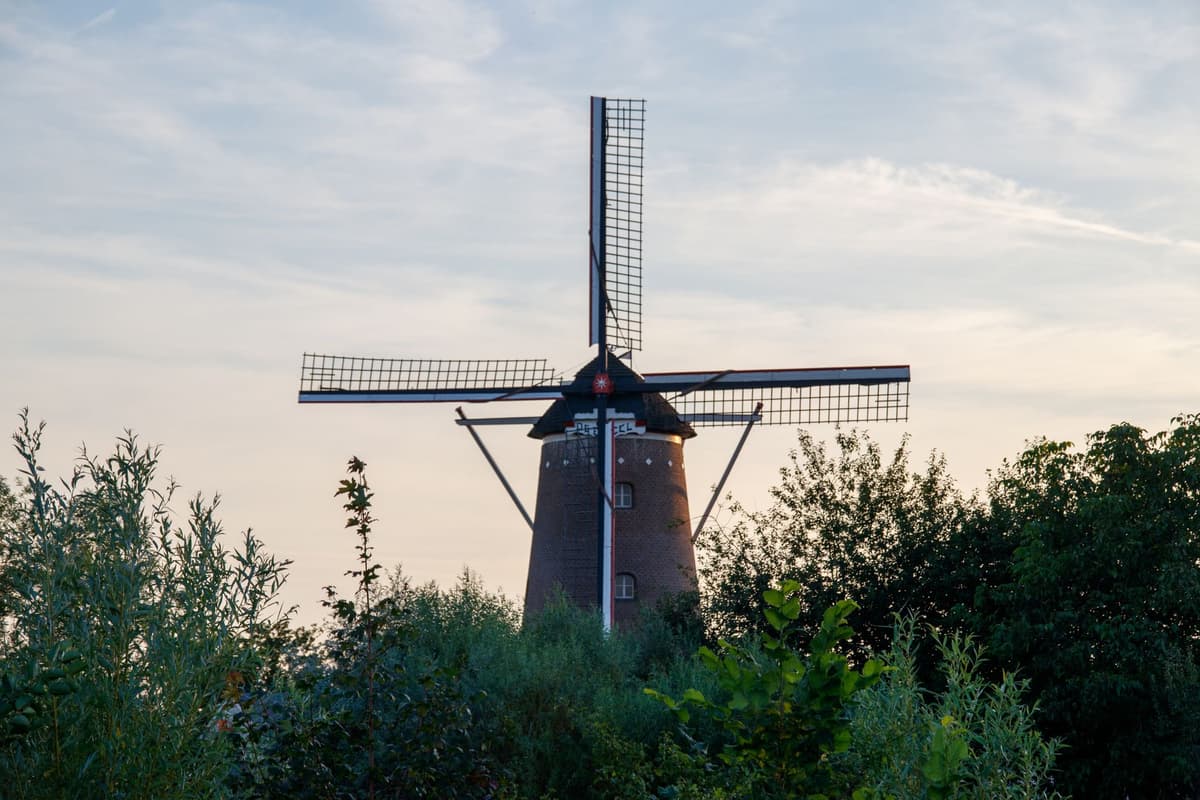
Photo by Freek Wolsink on Pexels
The 'Geopolitical Vendor Lock-in' Tango
The term 'Geopolitical Vendor Lock-in' sounds like it was invented by a committee of economists trying to make 'being stuck with Microsoft' sound more dramatic. But the Dutch situation proves it’s a very real thing. For years, governments have relied on proprietary software because it was easy. It worked, it was widely supported, and frankly, nobody wanted to spend precious taxpayer euros learning some obscure open-source alternative that made their IT department look like it was run by basement-dwelling wizards. But when your access to critical infrastructure can be threatened by a trade dispute or a political disagreement, 'easy' starts to feel a lot like 'reckless.'
This is why governments are increasingly viewing proprietary software not as a tool, but as a potential weapon pointed at their own feet. A foreign government can’t just decide to ‘update’ NixOS in a way that cripples the Dutch tax system, because NixOS isn’t owned by a foreign government. The Netherlands is essentially saying, 'We’d rather be in control of our own digital destiny, even if it means learning a new language and wearing a lot more clogs.' It’s a bold move, signaling a shift from convenience to autonomy, and from commercial agreement to national security imperative.
A New Era of Digital Sovereignty?
This isn't just about the Netherlands. This is a signpost. Other nations, especially those who might find themselves on the wrong side of a geopolitical penstroke, are watching. They’re seeing the Dutch experiment with NixOS and thinking, 'Maybe we should look into that before our access to cloud-based spreadsheet software gets mysteriously revoked because of a diplomatic incident involving a misplaced cheese import.' The era of treating software as a simple commodity is ending. We’re entering an age where the origin and control of our digital tools are as critical as the physical security of our borders.
It’s a complex transition. Migrating entire government infrastructures is a monumental task, fraught with potential bugs, budget overruns, and the inevitable 'I told you so' moments from the IT department. But the alternative – being perpetually vulnerable to the whims of foreign powers and their corporate allies – is far more dangerous. The Dutch are bravely stepping into the unknown, armed with a powerful, albeit quirky, operating system. Let’s just hope they’ve got a good tutorial handy.
What This Actually Means
At its core, this is about risk management. For too long, governments have accepted a certain level of digital risk in exchange for the perceived ease of proprietary software. The US sanctions on entities connected to China, for example, have made many countries nervous about relying on American tech giants. This Dutch move is a proactive step to mitigate that specific type of risk. It’s a bet that the long-term benefits of digital independence outweigh the short-term pain of a complex migration.
This could very well spur further innovation and adoption of open-source solutions in government. If NixOS proves successful for the Dutch, we might see a domino effect. Countries will demand more transparency, more control, and less reliance on foreign entities for their critical digital infrastructure. It’s a complex dance between global interconnectedness and national self-preservation, and the music is definitely getting more interesting.
Quick Answers
**Why are the Dutch switching from Microsoft?
Primarily due to concerns about 'geopolitical vendor lock-in' and the potential for US sanctions to disrupt their access to critical software and services.
**What is NixOS and why are they choosing it?
**
NixOS is a Linux distribution known for its unique declarative configuration and reproducible builds, offering greater control and security, which is appealing for national infrastructure.
**Is this a permanent shift away from all proprietary software?
**
It's a significant move for governmental core systems, signaling a preference for open-source and self-controlled solutions where possible, but a complete abandonment of all proprietary software is unlikely in the short term.
**Will other countries follow?
**
It's possible. Nations concerned about similar geopolitical risks may view the Dutch experience as a blueprint for increasing their own digital sovereignty through open-source adoption.