Your Printer Is Not a Mint
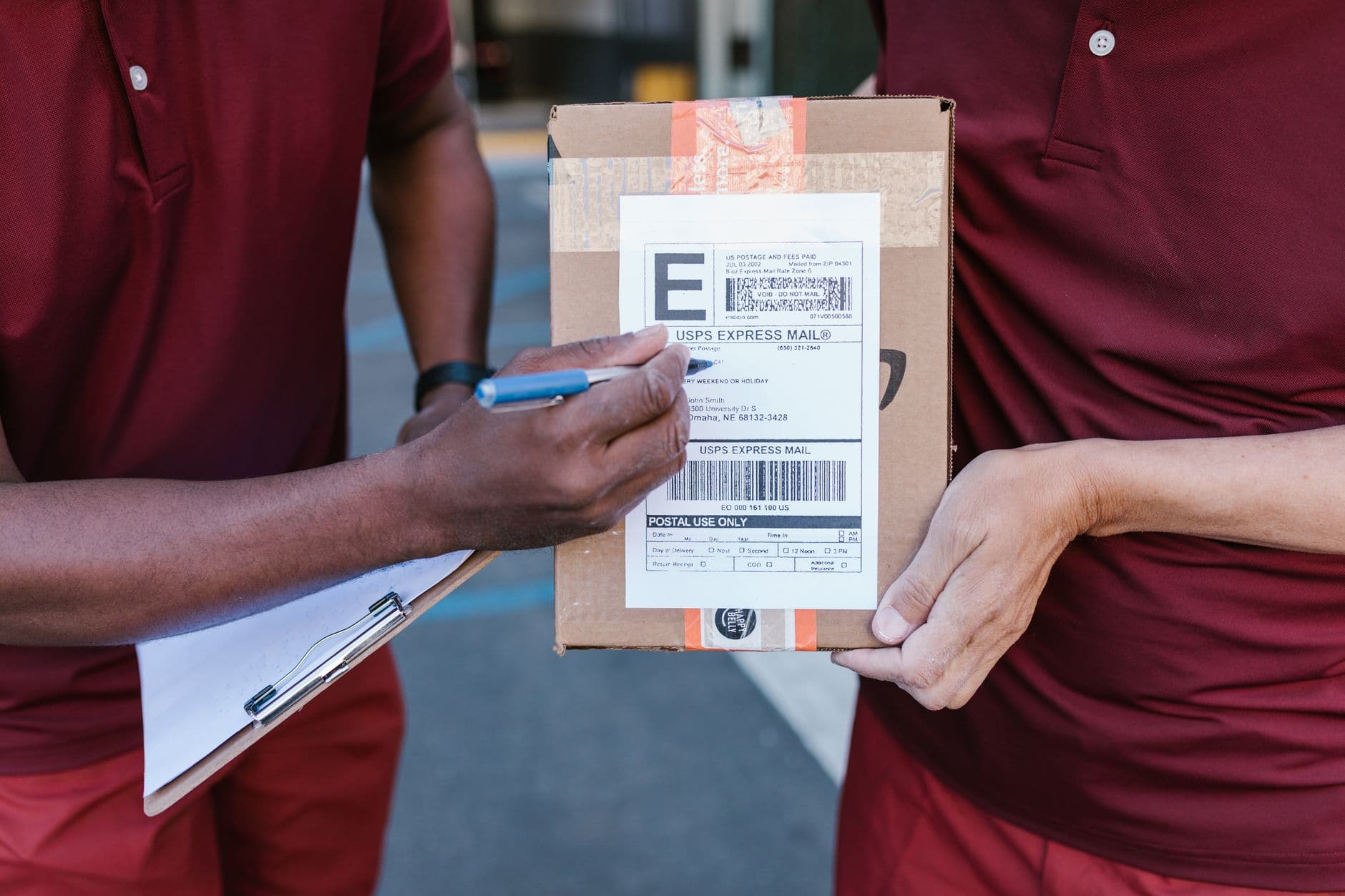
It takes a special kind of optimism to believe you can run a global logistics hustle by printing high-resolution PDFs of Forever Stamps in your basement. Yet, here we are, mourning the loss of a website that lived at the glamorous intersection of "dark commerce" and "stuff your grandma buys at the grocery store check-out line." The U.S. Postal Inspection Service (USPIS) recently pulled the plug on a massive operation that was flooding the market with counterfeit postage labels. These weren't just blurry photocopies; they were sophisticated, scannable digital forgeries promoted with the kind of polished social media marketing usually reserved for overpriced skincare or crypto rug pulls.
We live in an era where people will try to disrupt anything, including the concept of paying for a service you are actually using. The logic is flawless: why contribute to the $160 billion in annual revenue the USPS needs to function when you can buy a sheet of 100 stamps for $5 from a guy named @PostagePlug69 on Telegram? It’s the ultimate life hack for the modern entrepreneur who wants to ship their drop-shipped plastic junk without the pesky overhead of, you know, legal tender.
The Influencer Marketing of Federal Crimes
The most impressive part of this specific grift wasn't the technical wizardry of the barcodes; it was the marketing. For years, the "Dark Commerce" scene has been masquerading as a legitimate side hustle. You’ve seen the TikToks—set to high-energy phonk music—showing stacks of packages being loaded into a truck with a caption like "How I saved 90% on shipping costs this month! Click the link in bio for the secret sauce!" The secret sauce, it turns out, is felony mail fraud.
This isn't just a few kids in a dorm room. We are talking about a sophisticated network that understands the algorithm better than most Fortune 500 companies. They didn't hide in the dark web where you need a special browser and a PhD in paranoia to find them. They were right there in your Instagram feed, sandwiched between a video of a golden retriever and a recipe for 15-minute pasta. They leveraged the inherent trust we place in a well-designed UI to convince thousands of small business owners that "discounted postage" was a totally normal thing that definitely wouldn't result in their customers' packages being seized and incinerated.
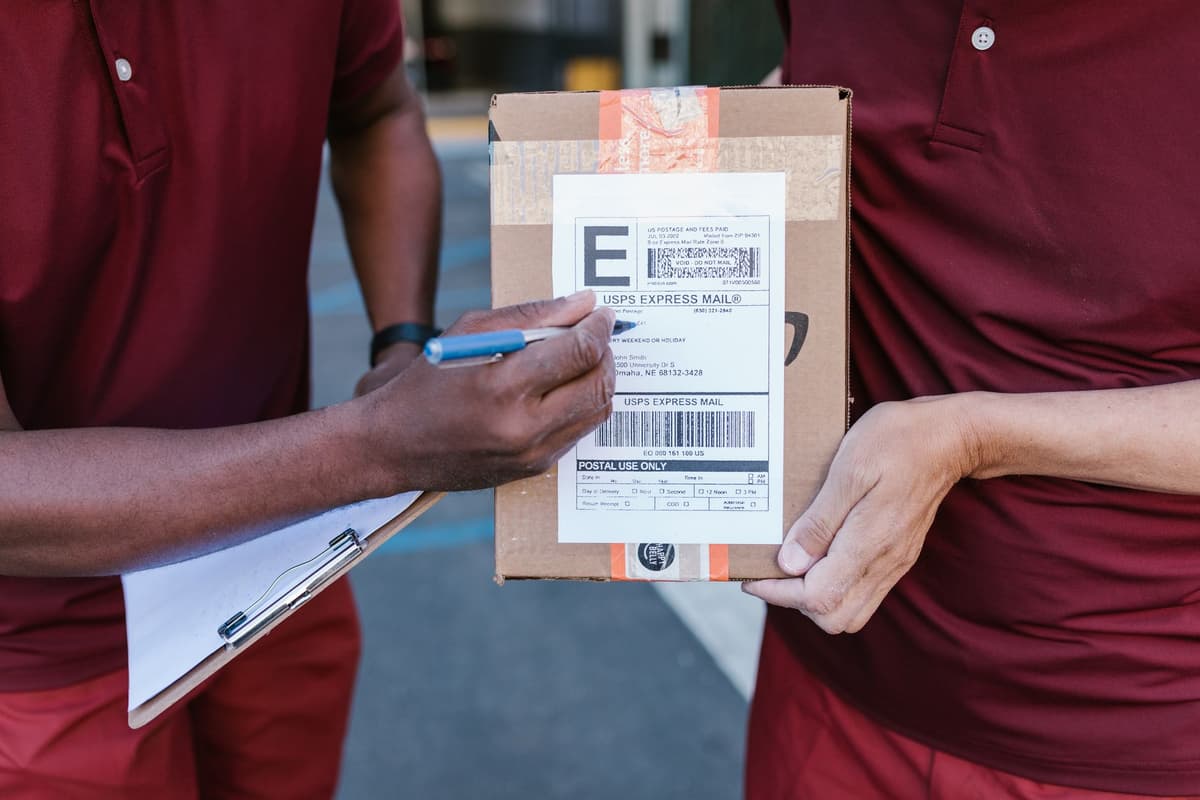
Photo by RDNE Stock project on Pexels
A Masterclass in Bad Ideas
To be fair to the forgers, the USPS makes for a tempting target. It’s a massive, sprawling bureaucracy that handles 127 billion pieces of mail annually. The assumption was likely that if you slip a few fake labels into a mountain of mail, nobody will notice. That works right up until the moment the Postal Inspection Service—the oldest federal law enforcement agency in the country, founded by Benjamin Franklin himself—decides to spend their $1.4 billion annual budget on finding out why their scanners keep rejecting labels from the same five IP addresses.
These inspectors have nothing but time and a very specific set of skills. While the rest of the world is arguing about AI or space travel, these guys are looking at the micro-printing on a 1-cent stamp under a microscope. They are the detectives of the mundane, and they are surprisingly good at it. The shutdown of this major website isn't just a win for the government; it's a reminder that if your business model relies on the government not noticing you're stealing from them, you might want to rethink your five-year plan.
What This Actually Means
This isn't just about stamps; it’s about the total erosion of the line between a legitimate deal and a digital scam. We have been conditioned by the internet to expect everything to be cheaper, faster, and slightly morally gray. When every second ad on social media is for a product that shouldn't exist at a price that doesn't make sense, the "integrity of traditional government services" starts to look like a quaint suggestion rather than a legal requirement.
The USPS is currently hemorrhaging money—reporting a $6.5 billion net loss in 2023 alone—and having a chunk of their remaining revenue siphoned off by digital forgers doesn't exactly help the service standards. When your package takes two weeks to cross three states, remember that part of the reason is that the inspectors are busy playing Whac-A-Mole with teenagers who think they’ve discovered a glitch in the simulation that lets them print free money.
Ultimately, the collapse of this website won't stop the trade. It will just move to a different URL with a different TikTok strategy. But for a brief, shining moment, the people who thought they were too smart for the federal government got a very expensive lesson in how the mail actually works. Turns out, the "Postage Plug" doesn't offer a refund policy for federal indictments.
Quick Answers
Is it illegal to buy these labels if I didn't know they were fake?
Yes, and the USPS will likely seize your package, leaving you to explain to your customer why their artisanal candles are currently sitting in a federal evidence locker.
How can I tell if postage is counterfeit?
If you are buying stamps for 20 cents on the dollar from a guy on Reddit, they are fake. The USPS does not do "flash sales" or "influencer discount codes."
What happens to the people running these sites?
They usually face charges of mail fraud and counterfeiting, which carry prison sentences long enough to make you regret every single TikTok you ever posted.