Australia wants to let users turn off the algorithmic feed, and the United States responded with the solemn indignation of a Victorian monarch defending the British opium trade. Canberra suggested that maybe, just maybe, people should have a legal right to view internet posts in the boring chronological order in which they were created. Washington immediately clutch-grabbed its pearls, took a fainting couch to the fainting clinic, and warned that chronological sorting borders on state-sanctioned censorship.
Let’s establish the stakes here. Australia is not proposing to seize Mark Zuckerberg’s fleet of hydrofoils or ban memes. They are suggesting that an app should have a switch. You flip the switch, and instead of a computer dynamically serving you videos of a divorce lawyer screaming in a Dodge Ram because it knows your cortisol spikes at 11:15 PM, you just see a picture of your aunt’s damp sourdough bread posted twenty-two minutes ago. To Silicon Valley lobbyists and US trade representatives, this humble toggle switch is practically the fall of the Roman Republic.
The Sacred American Right to Be Fed Garbage
Calling an algorithm opt-out "censorship" is an Olympic-level display of rhetorical gymnastics. We have officially reached the point in late-stage tech capitalism where an automated math equation shoving unhinged rage directly into your eyeball is considered protected speech, but letting a human being read posts by timestamp is an act of tyranny.
Imagine walking into a grocery store where the manager stalks you down aisle four, intercepts your shopping cart, slaps a box of frosted pop tarts out of your hands, and replaces it with three pounds of raw, unseasoned lard while whispering, "Our data indicates your nervous system responds viscerally to grease." That is the modern internet. Now imagine the Australian government saying, "Hey, maybe customers can just pick items off the shelf themselves?" And the US Department of Commerce screams, "CENSORSHIP! YOU ARE VIOLATING THE LARD’S RIGHT TO BE EATEN!"

Photo by Magda Ehlers on Pexels
The irony is that nobody asked for the curation-industrial complex in the first place. Nobody woke up in 2012 and submitted a support ticket saying, "Dear Instagram, I love seeing photos of my friends, but could you please hide them under sixteen reels of a drop-shipping guru explaining why sleeping past 4:00 AM makes you a peasant?" We were shoved into the casino without our consent, and now that someone is pointing toward the fire exit, the casino owners are claiming that leaving the roulette table violates the croupier's First Amendment rights.
The Engineering of Infinite Spite
Behind this diplomatic standoff is an economic panic of astronomical proportions. Meta pulled in over $134 billion in ad revenue in 2023, and precisely zero dollars of that haul came from users feeling calm, satisfied, and emotionally stable after twenty minutes of online reading.
The business model requires friction, panic, and agitation. The algorithmic feed isn’t designed to give you what you want; it is designed to hold your optic nerve hostage until an ad for bamboo sheets slides across your retinas. Here is how your evening looks under the two competing worldviews:
- The Chronological Feed (Australia's Dystopia): You log on at 9:00 PM. You see five photos from people you went to high school with. You see that your local bakery made cinnamon rolls. There are no more new posts. You put the glass rectangle on the nightstand. You fall asleep at 9:18 PM like a well-adjusted member of the mammalian kingdom.
- The Algorithmic Engine (Freedom's Champion): You log on at 9:00 PM. The system measures that your thumb lingered for 0.4 seconds on a video about bad drywall. By 9:43 PM, you are watching a livestream of an unlicensed sovereign citizen arguing with a bridge toll collector. By 1:15 AM, you are fully convinced that seed oils were invented by the League of Nations to ruin your knees.
Silicon Valley knows this. They know that a chronological feed is the digital equivalent of an off-switch. If you give users an off-switch, they might accidentally remember they have an actual physical body that requires hydration and sunlight.
The Great Trade War Over Your Dopamine
Watching the US government go to bat for engagement algorithms under the banner of "digital trade freedom" feels like watching a superpower deploy its naval fleet to protect an international cartel of vape shops. The official argument is that forcing platforms to offer non-algorithmic feeds discriminates against American tech innovation. Translation: our nation's primary export is now bespoke, hyper-targeted digital anxiety, and Australia is attempting to levy a mental tariff on our most lucrative export product.
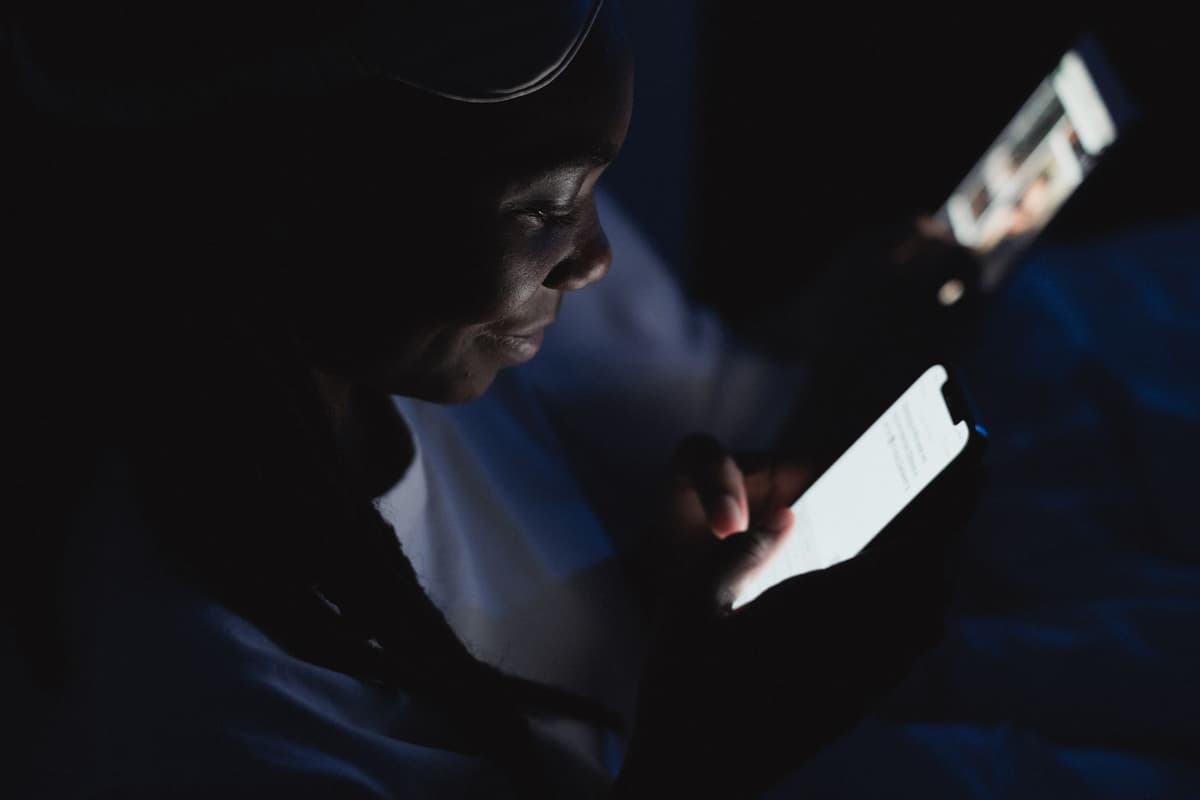
Photo by SHVETS production on Pexels
It marks a bizarre shift in how governments fight about the internet. For years, politicians thought the enemy was "misinformation," as if the problem with social media was merely a lack of diligent fact-checkers slapping blue warning ribbons on posts about lizard people. Australia’s law inadvertently acknowledges the much uglier truth: the content isn’t the problem. The machine running the content is the problem.
You cannot fix a fire by swapping out the type of wood you throw into the furnace. The furnace itself was built to incinerate human attention spans at maximum efficiency. Suggesting that Australians should have a choice to bypass the furnace entirely is such a threat because, deep down, every tech executive knows that if people get a taste of a feed that actually ends, the entire ad-tech casino starts bleeding cash.
What This Actually Means
This isn't really a debate about free speech or censorship, no matter how many corporate policy memos claim otherwise. It is a war between the curation-industrial complex and the quaint, antique concept of human agency.
If Australia wins this fight and forces platforms to provide an unadulterated chronological option, the world will not end. Western democracy will not collapse into darkness because Liam in Brisbane didn't have twenty-two AI-generated videos of hydro-dipping car parts shoved into his eyeballs against his will. In fact, people might just discover that without an algorithm whispering in their ear that everyone they hate is currently throwing a party, the world is remarkably quiet.
The tech giants aren't afraid that chronological feeds will break their apps. They are terrified that they will work, that we will look up from our screens, see the sun setting, and realize we never needed their mathematical circus in the first place.
Quick Answers
Is Australia really trying to ban recommendation algorithms?
No. The proposed laws would require platforms to give users an easily accessible switch to opt out of algorithmic curation and view a standard chronological feed.
Why does the US claim this is censorship?
US trade representatives argue that dictating how platforms present and organize information interferes with editorial freedom and constitutes an unfair barrier to digital trade.
Would people actually use a chronological feed if given the choice?
Yes, and that is precisely what scares the platforms; lower algorithmic engagement directly reduces the ad impressions that fund the entire business model.