The Death of the Clicky-Clack
I just watched a demonstration of a 'headless' consumer device navigating a desktop UI, and it felt like watching a ghost try to file its taxes. For decades, we have been the high priests of the Graphical User Interface, clicking our little plastic boxes and dragging our little digital folders like very sophisticated toddlers. But now, thanks to typesafe computer use and the plummeting cost of 'Action Tokens,' your hardware doesn't need your eyes, your fingers, or your permission to navigate Windows 11. It just looks at the pixels, decides that the 'Submit' button looks lonely, and hits it for 1/50th of a cent.
Imagine a world where your toaster has a better understanding of Excel than you do. We aren't talking about APIs here—those polite, structured handshakes between software programs that developers spend months crying over. We are talking about raw computer-vision intent. The AI literally peers at the screen like a confused grandparent, identifies the icon for 'Settings,' and clicks it with the surgical precision of a hawk diving for a field mouse. Except the hawk only costs $0.0002 per dive and never gets distracted by cat videos.
The Economy of Digital Dust
The math here is genuinely stupid. We are reaching a point where an 'Action Token'—one discrete movement or decision by an AI agent—is effectively free. At 1/50th of a cent per step, you could have an AI spend the next three hours trying to cancel your Comcast subscription and it would cost you less than the electricity used to light the 'Power' LED on your monitor. This is the first time in history that annoying, bureaucratic digital labor has been priced lower than the cost of a single gummy bear.

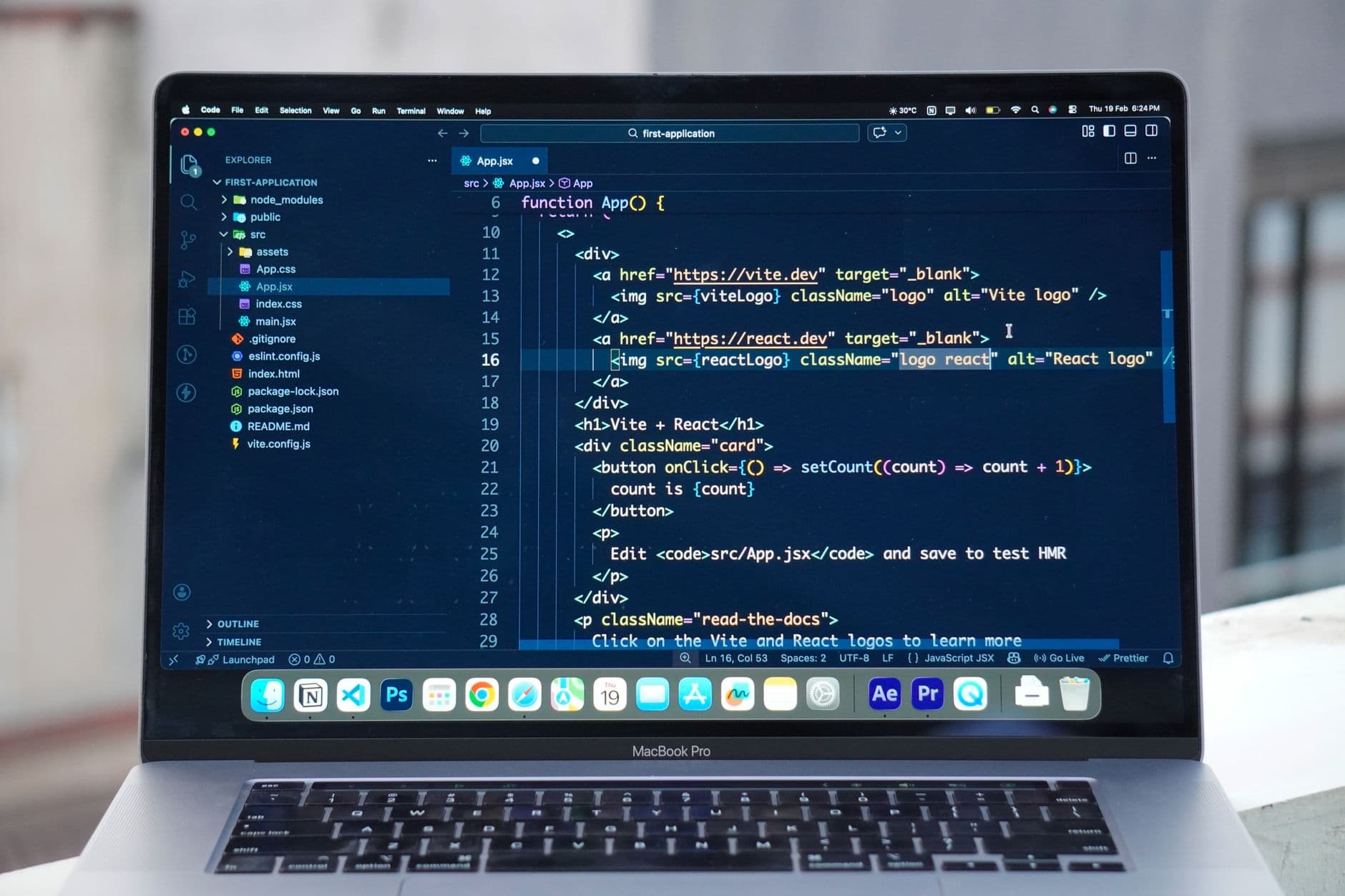
Photo by Eva Bronzini on Pexels
This pricing model changes the fundamental physics of being a lazy person. Usually, if I want to automate something, I have to wait for a company to release an official integration. Now? I can just buy a $15 dongle that 'looks' at my screen and does the clicking for me. It’s like hiring a tiny, invisible intern who lives inside your HDMI port and doesn’t require health insurance or a lunch break. If the software has buttons, the AI can use it. It doesn't need an invitation; it has a set of digital bolt cutters and a very high-speed vision model.
Why Your Screen Is About to Go Extinct
If gadgets can interact with our software ecosystems through raw vision, why do we even have screens? The 'Post-GUI' era means your next 'computer' might just be a grey slab that sits in a drawer, screaming silently at a virtual desktop while it books your flights and argues with your landlord. We are moving toward a 'headless' world where the interface is a vestigial organ, like the human appendix or the 'Scroll Lock' key.
- Your smart fridge won't just tell you that you're out of milk; it will open a browser, navigate to a grocery site, dodge fourteen pop-up ads, find the organic 2%, and checkout before you’ve even put your pants on.
- Your fitness tracker will see that you're stressed and automatically open your banking app to move money into your 'Wine and Regret' fund.
- Your smart home hub will spend its downtime clicking through those 'I am not a robot' CAPTCHAs just to flex its intellectual superiority over the fire hydrants and crosswalks.
We are essentially building a digital parallel universe where machines talk to machines by pretending to be humans. It’s a massive game of charades played at light speed. The AI isn't using a backdoor; it’s walking through the front door, wearing a fake mustache made of pixels, and clicking 'OK' on things it doesn't understand but knows you want. It’s chaotic, it’s cheap, and it’s probably going to result in a lot of accidental 3:00 AM Amazon deliveries for industrial-sized vats of mayo.
What This Actually Means
The transition from API-centric gadgets to vision-based 'Action Token' gadgets is the final admission that software is too messy to fix properly. Instead of making programs that talk to each other, we’re just building AI that’s smart enough to navigate the garbage we’ve already built. It’s the digital equivalent of giving up on cleaning your room and just hiring a robot that’s really good at jumping over the piles of laundry.
For the consumer, this is great until it isn't. You’ll have incredible power for the price of a nickel, but you’ll also have a house full of 'headless' devices making executive decisions on your behalf. We are about to enter the era of the 'Ghost in the Machine,' except the ghost is just a very cheap script trying to find the 'Unsubscribe' button on a newsletter you signed up for in 2012.
Ultimately, we’re witnessing the birth of a new species of tool. These aren't assistants you talk to; they are proxies that act for you. Just make sure you don't leave your banking app open while your AI-enabled smart mirror is feeling 'productive,' or you might find out that you’ve accidentally invested your life savings into a startup that makes hats for lizards. The future is cheap, it’s fast, and it has no eyes.
Quick Answers
Do I still need a monitor?
Technically no, but you might want one just to make sure your AI isn't accidentally buying a boat while you sleep.
Is it safe to let an AI click things for me?
It’s as safe as giving your car keys to a very fast toddler who has read the entire internet but has never seen a physical object.
Why is it called an Action Token?
Because 'Micro-Transaction for Digital Labor' sounded too much like a dystopian nightmare, and 'Action Token' sounds like something you’d find at a fun arcade.
Will this make me more productive?
Yes, in the same way that a leaf blower makes you 'better' at cleaning your yard—it doesn't remove the mess, it just moves it somewhere else very quickly.