We’ve been played by a house-cat-sized predator with better camouflage skills than a CIA operative in a ghillie suit. For years, the Leopardus pardinoides—or the Tilcayo tiger cat, if you aren't trying to impress a date at a natural history museum—has been living in the high-altitude Andes, successfully pretending to be other cats. It’s a masterclass in physical mimicry that has left conservationists looking like the guys who tried to find Waldo on the cover of the book and failed.
This isn't just a minor 'whoops' in the fossil record. This is 'cryptic speciation,' which is biological code for 'we have no idea what we’re looking at because everything looks like a blurry potato.' We spent decades building 'generalized' conservation corridors based on the assumption that one cat fits all, only to realize we were trying to house a specialized high-altitude introvert in a neighborhood designed for a social butterfly. It’s like booking a luxury suite for a penguin and realizing upon arrival that the penguin is actually a very confused puffin who hates ice.
The Great Andean Identity Theft
The Tilcayo tiger cat didn't just evolve; it engaged in a multi-generational witness protection program. While we were busy counting 'tiger cats' as one big, happy family, this specific branch of the family tree was secretly developing a taste for 15,000-foot altitudes and very specific cloud-forest snacks. Biologists call this physical mimicry; I call it a dedicated commitment to a bit. They look so much like their cousins that you’d need a DNA kit and a very brave lab technician to tell the difference.
Imagine the scene in the Andes. A researcher spends six months in a damp tent, survives on lukewarm beans, and finally snaps a grainy photo of a cat. They write down 'Species A' and go home. Meanwhile, the cat—which is actually 'Species B'—is behind a bush laughing its tiny tail off. This isn't just a discovery; it's a humbling reminder that humans are remarkably easy to trick if you just wear the right outfit. We’ve been managing the Andes like a giant, one-size-fits-all IKEA rug, when it’s actually a complex patchwork of bespoke, high-altitude boutiques.
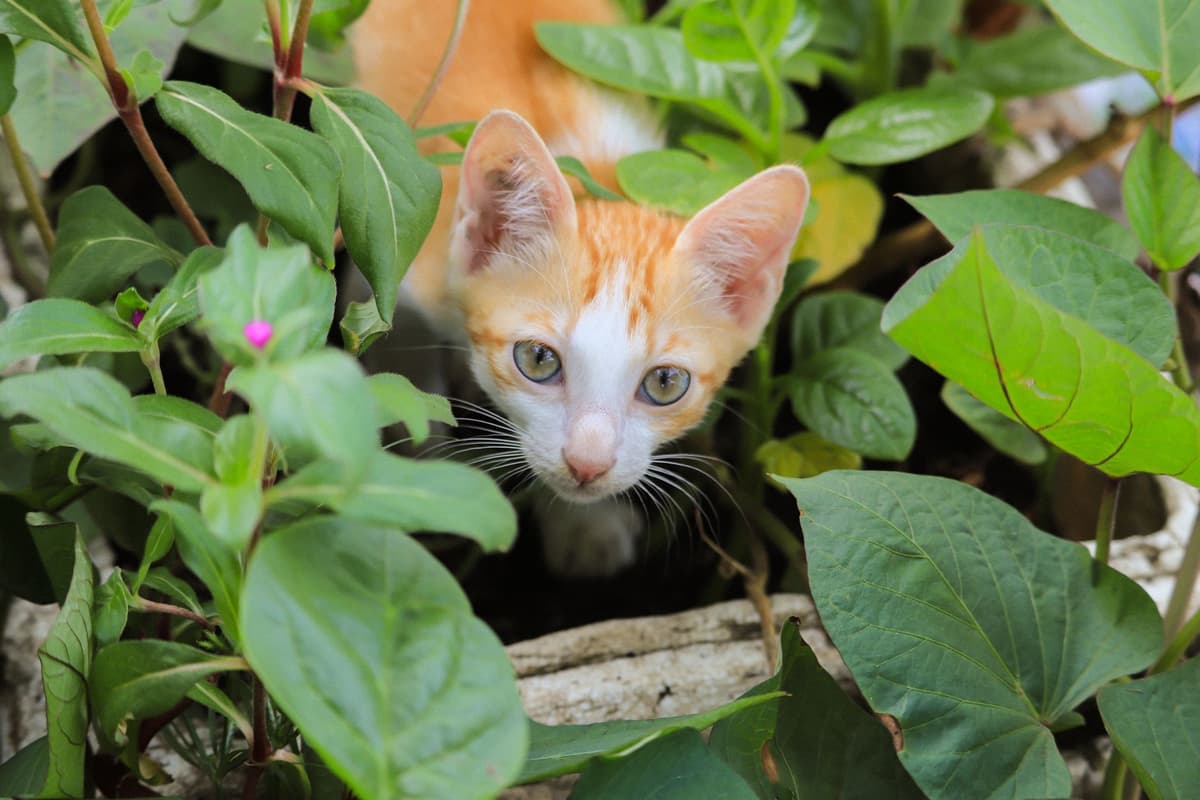
Photo by Tường Chopper on Pexels
Your Protection Model is a Participation Trophy
Our current conservation models for the Andes are about as precise as a toddler with a leaf blower. We’ve been creating 'corridors' that are essentially just long strips of land where we hope animals will walk. But the Tilcayo tiger cat doesn't want your generic corridor. It wants its specific, genetic micro-climate. It’s the Goldilocks of apex predators. If the humidity is 2% off or the altitude drops by a hundred meters, it’s out. It’s not 'Andean'; it’s 'This Specific Ridge or I Move to Patagonia' picky.
Because we didn't know this cat was a distinct biological entity, we’ve been protecting areas that are basically the feline equivalent of a highway rest stop when they needed a gated community. The 'generalized' model assumes that if you save a forest, you save the cat. But if that cat has specialized genetic requirements shaped by thousands of years of isolation, your generic forest is just a fancy place for it to go extinct. We’ve been trying to save a masterpiece by protecting the gift shop next door.
The High-Altitude Genetic Diva
Genetically speaking, the Tilcayo tiger cat is doing its own thing, and it doesn't care about your spreadsheets. This isn't just a subspecies; it’s a full-blown biological divorce. It has its own evolutionary trajectory, its own weird habits, and probably its own secret handshake. When we lump these 'cryptic' species together, we lose the granular data that actually keeps ecosystems from collapsing like a cheap card table in a breeze.
- It lives in the 'cloud forests,' which sounds like a level in a Mario game but is actually a very wet, very high place where humans go to get moldy.
- It has been hiding in the shadow of the 'Northern Tiger Cat' for so long that it probably feels a bit of resentment.
- The discovery means we have to redraw maps that took people years to color in, which is objectively hilarious for everyone except the people with the pens.
By ignoring these genetic micro-climates, we’ve been failing a test we didn't even know we were taking. It’s like trying to bake a cake using a recipe for concrete just because they both come in heavy bags. You might get something that looks right, but nobody is going to have a good time when they bite into it.
What This Actually Means
What this actually means is that our 'broad-brush' approach to saving the planet is getting a much-needed reality check from a creature that weighs less than a bowling ball. We can’t just draw a circle around a mountain and call it a day. We have to understand the invisible borders that genetics and climate carve into the landscape. The Tilcayo tiger cat is the smoking gun proving that biodiversity is way more complicated than our current bureaucracy can handle.
We need to stop treating the Andes like a single ecosystem and start treating it like a skyscraper where every floor has a different atmosphere, a different landlord, and a very grumpy cat in the penthouse. If we don’t adapt our conservation corridors to account for these 'hidden' specialists, we’re just performing environmental theater. We’re building bridges to nowhere for animals that never intended to cross them.
In the end, the Tilcayo tiger cat has done us a favor. It showed us that the world is still full of secrets, even if those secrets are just small, spotted jerks hiding in plain sight. It’s time to stop looking at the 'big picture' and start looking at the weird, tiny, hyper-specific pixels that actually make it up. Otherwise, we’re just protecting a ghost.
Quick Answers
Is the Tilcayo tiger cat just a regular cat that moved to the mountains?
No, it’s a distinct species that has been genetically separated from its cousins for long enough to deserve its own Wikipedia page and specific protection laws.
Why did it take so long to find out it was different?
Because they look almost identical to other tiger cats, and scientists generally try to avoid chasing small predators through misty, vertical jungles just to check their DNA.
Does this mean there are other 'hidden' species out there?
Almost certainly; nature is basically just a giant game of 'Among Us' and we are the confused crewmates who keep getting ejected from the airlock.