The Blunt Instrument of Trade Enforcement
Trade policy is rarely a scalpel. When the U.S. government announced its intent to suspend the de minimis administrative exemption—a rule that allowed packages valued under $800 to enter the country duty-free and with minimal paperwork—it had a clear target in sight. The goal was to curb the astronomical volume of low-cost goods from platforms like Shein and Temu, which moved over one billion packages into the U.S. in 2023 alone. However, by treating every box under $800 as a threat to domestic industry or a loophole for illicit goods, the policy has ignored the vital, low-volume trade of the global pantry.
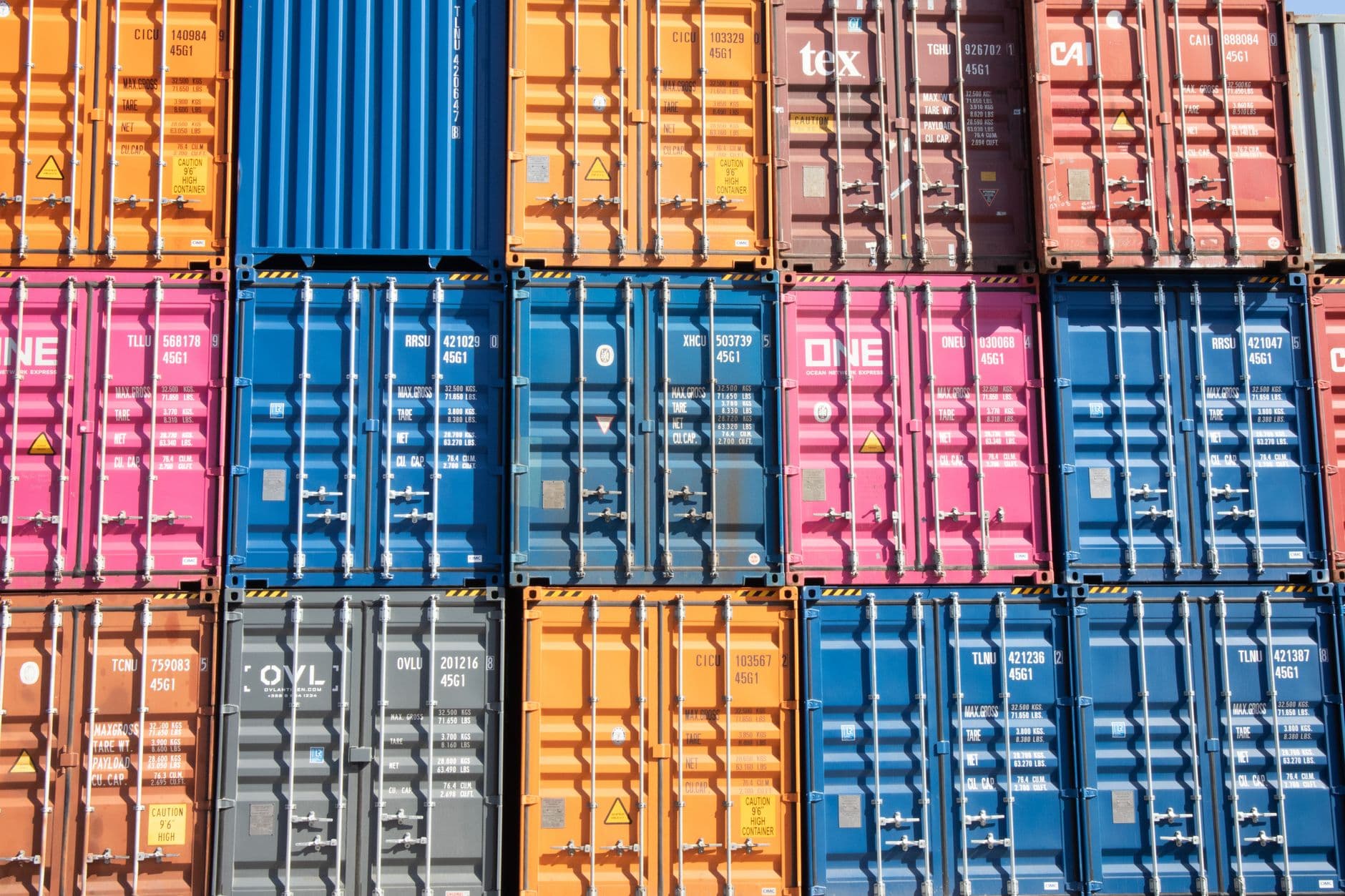
This is not about five-dollar polyester shirts. It is about the $60 bottle of single-estate olive oil from a family grove in Tuscany, the $40 jar of traditional fermented shrimp paste from a coastal village in the Philippines, and the $100 shipment of rare heirloom spices from a collective in Kerala. These products do not move in twenty-foot equivalent units (TEUs) on massive container ships. They move in small boxes, shipped directly from producers to specialized importers or curious home cooks. By imposing the same regulatory friction on a tin of rare sardines that you would on a mass-produced plastic toy, the government is making the micro-terroir economy functionally impossible.
The Death of the Micro-Logistics Bridge
The specialty food world relies on a fragile web of micro-logistics. Small-scale producers often lack the capital or the volume to engage with traditional maritime freight, which requires warehouse staging, complex customs brokerage, and months of lead time. For decades, the $800 exemption served as a bridge, allowing these artisans to reach the U.S. market without the crushing overhead of formal entry filings that can cost more than the shipment itself.
When a shipment is stripped of its de minimis status, it enters the world of formal entry. This requires a customs bond, a Harmonized Tariff Schedule (HTS) classification for every single ingredient, and often, an expensive customs broker to navigate the bureaucracy. For a large corporation, this is the cost of doing business. For a diaspora cook trying to source the specific dried chilies of their home region, or a small boutique shop specializing in rare honeys, these costs are prohibitive. The price of a single shipment can double overnight, not because of the tariff itself, but because of the administrative labor required to pay it.
Erasing Cultural Connectivity
We must look at the cultural cost of this administrative shift. Food is the primary vehicle for cultural continuity among diaspora communities. When we make it harder to import small-batch, traditional ingredients, we are essentially placing a tax on cultural heritage. Large-scale industrial importers prioritize shelf stability and mass appeal; they do not carry the pungent, short-lived, or highly regional ingredients that define authentic cooking. These are the items that were previously kept accessible by the de minimis rule.
Furthermore, this policy shift punishes the "good actors" of the global agricultural world. The farmers who refuse to use industrial pesticides and the producers who maintain ancient fermentation techniques are often the same ones who cannot afford a corporate logistics department. By tightening the net to catch fast fashion, the U.S. is inadvertently favoring industrial monocultures over biodiversity. We are incentivizing a world where only the largest, most standardized food corporations can afford to cross borders.
What This Actually Means
The suspension of the de minimis exemption marks the end of an era for the adventurous American palate and the global artisan. We are retreating into a trade posture that recognizes only two speeds: the massive industrial shipment or the domestic product. There is no longer a lane for the small, the rare, or the specific. If this policy remains unchanged, the variety of our grocery shelves and the depth of our restaurant menus will begin to erode as small importers fold under the weight of paperwork.
Policymakers must realize that a blanket approach to trade creates vast deserts of unintended consequences. There is a fundamental difference between a platform shipping millions of identical plastic items and a farmer shipping a dozen crates of hand-pressed oil. Until the U.S. creates a tiered system that protects cultural and artisanal imports while regulating mass-market commodities, the global pantry will remain under siege. We are losing the flavor of the world in the name of a trade war that these producers never signed up for.
Quick Answers
Why was the $800 limit there in the first place?
It was designed to help Customs and Border Protection focus their resources on high-value shipments while allowing low-risk, low-value consumer goods to pass through quickly and cheaply.
Can't these small producers just use regular shipping?
Technically yes, but the cost of formal customs entry, brokerage fees, and bonding for a small shipment often exceeds the value of the goods themselves, making the business model unsustainable.
Does this affect all food imports?
It primarily impacts direct-to-consumer shipments and small-scale boutique importers who previously relied on the de minimis rule to avoid the prohibitive costs of industrial-scale logistics.