The Death of the Iconic Laser Beep
Since 1974, we have lived in a world defined by the comforting, rhythmic beep of a laser hitting a line. It was simple. It was elegant. It told the computer exactly one thing: this is a jar of pickles. But simplicity is the enemy of progress, so the retail world has decided that the humble Universal Product Code is an embarrassing relic of a bygone era. We are moving to 2D barcodes—essentially QR codes on steroids—because the industry decided that if your yogurt doesn't have a linked LinkedIn profile and a traceable lineage back to a specific cow named Bessie, you’re basically living in the Stone Age.
GS1, the global standards body that decides how things get scanned, is pushing for this transition to be complete by 2027. They call it "Sunrise 2027," a name that suggests a beautiful new dawn rather than a logistical nightmare involving millions of scanners that will suddenly find themselves as useful as a screen door on a submarine. We aren't just changing a sticker; we are giving every single head of lettuce a digital soul that tracks its descent into wilted misery in real-time.
Your Register Is Now a Disappointed Parent
The most touted benefit of these pixelated squares is that the register can now "automatically block" the sale of expired items. Imagine the scene: you’ve spent forty minutes navigating a crowded grocery store, you finally reach the front, and the machine refuses to let you buy the ham because it technically died three minutes ago. It’s a level of retail intervention we didn't ask for but certainly deserve. The register isn't just a calculator anymore; it’s a moral arbiter of freshness.
- The system can instantly apply discounts as an item nears its "best before" date.
- It prevents the 19-year-old cashier from accidentally selling you salmon that has achieved sentience.
- It removes the human element of "checking the date," because we all know looking at numbers printed on a lid is far too much labor for the modern consumer.
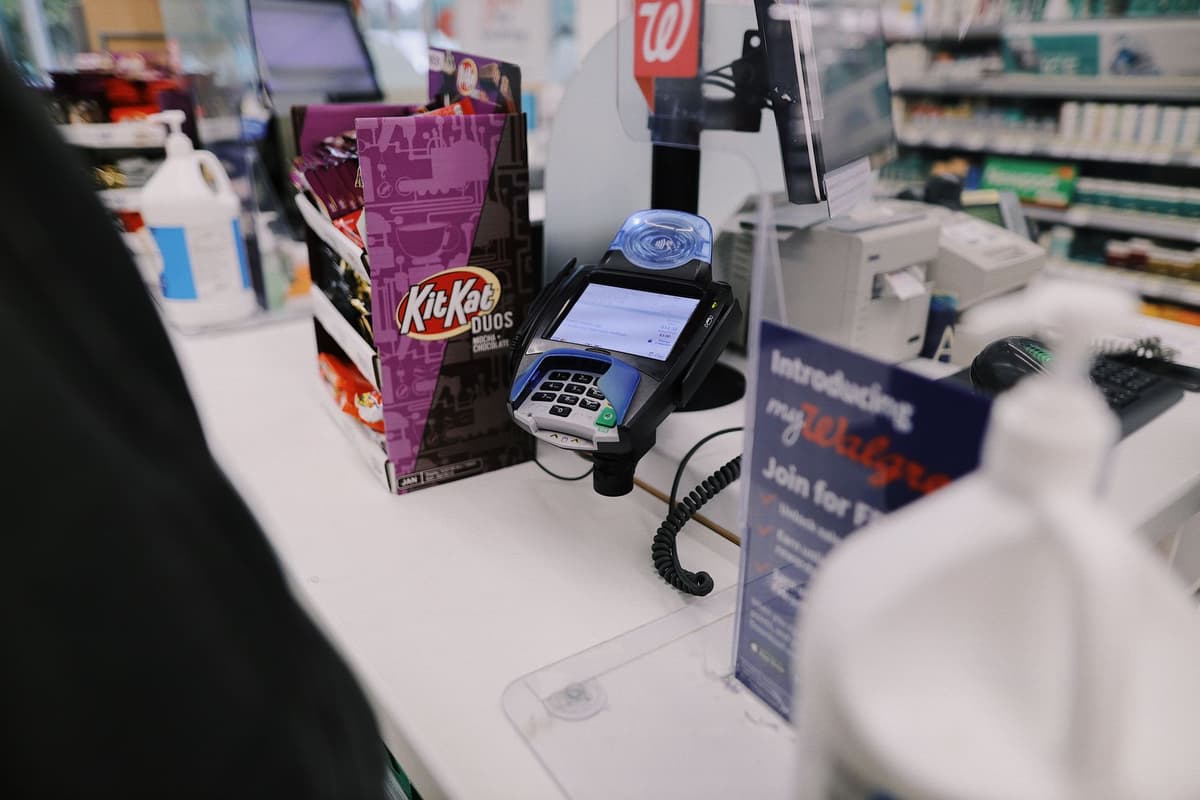
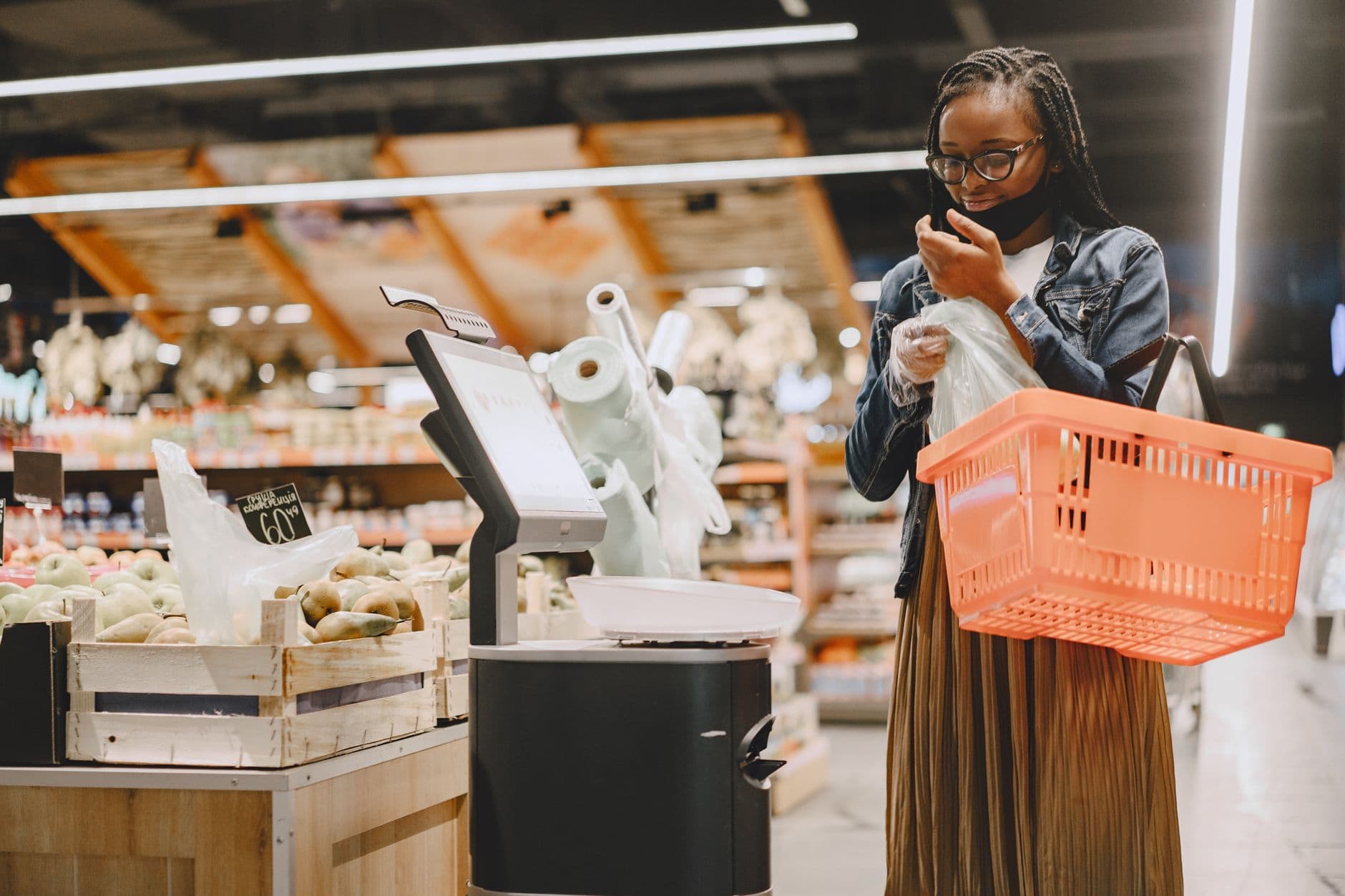
Photo by Julia Avamotive on Pexels
This technology is supposedly going to save the world from food waste. The theory is that if the store can drop the price of a ribeye by 40% the moment it starts looking a little grey, someone will buy it. It’s a race against the clock where the prize is a slightly questionable steak and the satisfaction of knowing you saved $4.00 while the store’s inventory management software tracked your every move.
Knowing Too Much About Your Lunch
Then there is the "traceability" aspect, which promises to tell you exactly which farm your spinach came from. Because what the average shopper really wants while trying to get home before rush hour is to scan a box and read a three-page PDF about the soil pH levels in Salinas Valley. We’ve moved past the need for simple nutrition facts; now we need the "provenance" of our frozen peas. It’s a digital farm-to-table experience that nobody actually has the time to experience.
If there’s an E. coli outbreak—which happens with the terrifying regularity of a seasonal allergy—the store can theoretically shut down sales of the tainted batch instantly. This is great, assuming the database is updated faster than people can eat salad. It turns the grocery store into a giant, interconnected web of data where your lunch is constantly checking in with a central server to make sure it’s still allowed to be eaten. It’s the Internet of Things, but for things that eventually become compost.
The Glory of the Data Harvest
Let’s not pretend this is all for our benefit. The real winners are the corporations who now get a granular look at exactly how long a box of crackers sits on a shelf before someone is desperate enough to buy it. By embedding URLs into every product, brands can turn a box of pasta into a marketing funnel. You scan the code to see if the wheat was ethically sourced, and suddenly you’re signed up for a newsletter and seeing targeted ads for artisanal colanders.
- Retailers get to automate inventory with a precision that borders on obsessive.
- Brands get to bypass the store and talk directly to your smartphone.
- You get the privilege of having your shopping habits analyzed by a machine that knows exactly how many days you’re willing to wait for a discount on overpriced cheese.
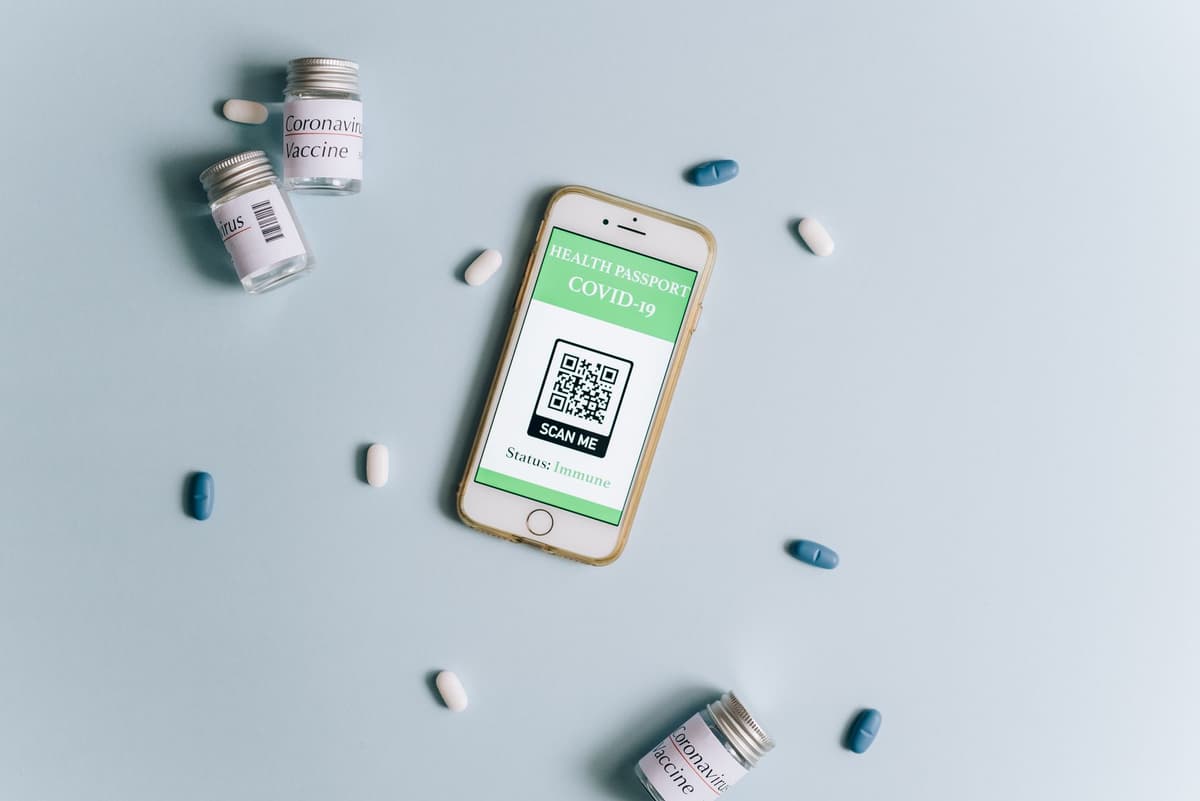
Photo by Leeloo The First on Pexels
This transition will cost billions. Every scanner, every printer, and every piece of backend software needs an overhaul. But hey, if it means we can prevent one person from buying a slightly sour carton of heavy cream without having to use their own eyes and nose, surely it’s worth the massive investment and the inevitable death of the only predictable part of the grocery experience.
What This Actually Means
We are trading a simple, functional system for a complex, data-hungry one under the guise of "safety" and "efficiency." While the ability to stop an expired sale at the register is a genuine win for the legally blind or the deeply distracted, the rest of this is a massive play for data control. We are turning our pantries into a series of endpoints for a global supply chain that wants to know exactly when you opened the box and how long it took you to finish it.
Ultimately, the 2D barcode transition proves that we can’t just have things anymore; we have to have information about things. The food is secondary to the data it generates. Next time you’re at the store and the register denies you your favorite yogurt because the digital link says it’s expired, just remember: the machine isn't being difficult, it's just being "transparent."
Enjoy your data-rich, traceable, and thoroughly monitored snack. It’s for your own good, and the computer has the receipts to prove it.
Quick Answers
Will this make checkout lines faster?
Probably not, considering scanners will now have to parse complex URLs instead of simple 12-digit numbers, and you'll still be stuck behind someone trying to pay with loose change.
Can I still buy food if the internet goes down?
In theory, yes, but if the register can't ping the mother-ship to verify the ham’s birth certificate, you might be going home hungry.
Does this mean I don't have to check expiration dates?
You should still use your eyes, but the store is betting on the fact that you’ve already given up on that level of personal responsibility.