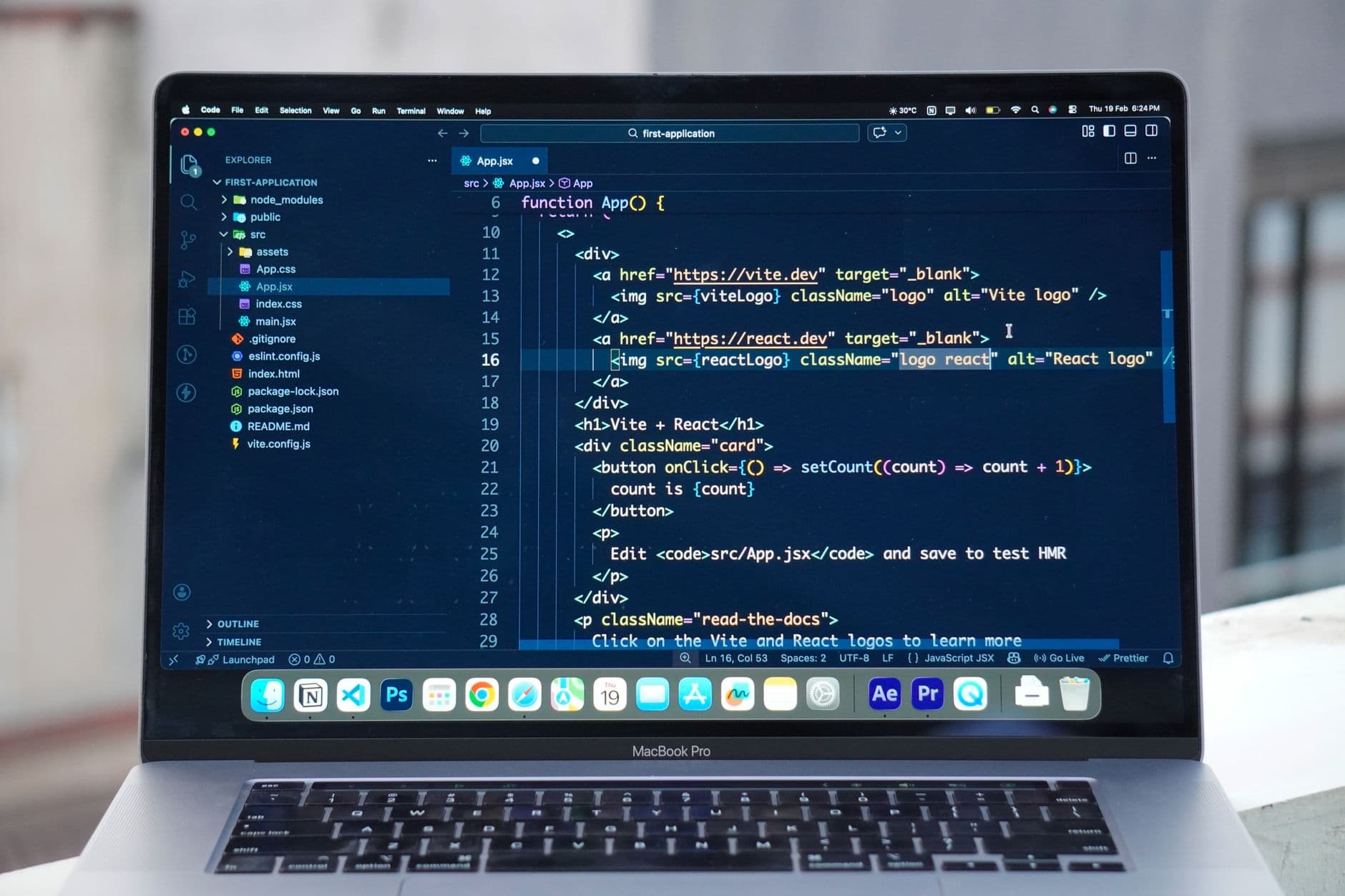
I keep finding myself typing ssh sigabrt.dev just to see the screen flicker into a high-contrast, text-only universe. There are no cookies to accept, no hero images of smiling office workers, and no tracking pixels firing off to six different ad networks. It is just me and the monospaced font. This isn't just a nostalgic throwback for people who miss the 1980s; it’s a deliberate rejection of the modern web's bloat. I wonder if we’ve finally reached a breaking point where the GUI has become so cluttered with 'engagement features' that the only place left to think is a void.
Every few years, the tech world tries to reinvent the way we interact with data, and usually, that means more colors, more animations, and more glass-morphism. But lately, the most interesting projects aren't apps at all. They are Terminal User Interfaces (TUIs). They live in the command line, they require keyboard shortcuts, and they look like something a movie hacker would use to bypass a firewall. Why are we suddenly obsessed with making things harder to use? Or maybe the real question is: why does 'harder' feel so much more honest?
The Architecture of the Void
When you look at Sigabrt.dev or tools like Charm.sh, you aren't looking at a lack of design. You’re looking at a very specific, very expensive kind of minimalism. It takes an incredible amount of engineering effort to make an SSH-based interface feel responsive and beautiful. We are seeing a shift where 'luxury' in software isn't defined by how much you can see, but by how much has been stripped away. It’s the digital equivalent of a $4,000 concrete house—brutalist, uncompromising, and deeply intentional.
I’m trying to figure out if this is actually about efficiency or if it’s a new form of digital gatekeeping. To use a TUI, you have to know what a terminal is. You have to understand SSH keys. You have to be comfortable without a mouse. By moving services into the terminal, developers are creating a 'members only' club where the barrier to entry is technical literacy. It’s a fascinating cultural pivot; we spent two decades trying to make the internet accessible to everyone’s grandmother, and now the vanguard is sprinting in the opposite direction.
There is a specific peace that comes with a TUI. In a browser, you are always one tab away from a distraction. In a terminal, the borders are hard. You are in the tool, or you are out of it. This 'Terminal-as-a-Service' movement might be our subconscious way of building walls around our focus. If the app doesn't have a 'Share to Twitter' button, maybe we’ll actually get some work done.
Performative Technicality or Pure Utility
I find myself oscillating between two theories. The first is that this is 'performative technicality.' We want to feel like masters of the machine again. The modern web feels like it’s built on sand—layers of JavaScript frameworks on top of APIs on top of serverless functions. A TUI feels like you’re touching the metal. It feels permanent. Even if the backend is just as complex as any other site, the interface whispers that you are in control. It's a vibe, a costume we put on to feel like 'real' engineers.
Photo by Mohamed Khaled on Pexels
But the second theory is more practical: the web is just too slow. A standard dashboard for a cloud provider might take 5.2 seconds to fully hydrate and become interactive. An SSH TUI is ready the millisecond the connection handshakes. We might be witnessing a mass migration of power users who are simply tired of waiting for React components to load. When you’re billing $200 an hour, those five-second delays start to feel like a personal insult.
- No CSS reflows or layout shifts
- Zero latency between thought and action (once you learn the keys)
- Built-in compatibility with every remote server on Earth
- Automatic dark mode by virtue of existing
Is it possible that the terminal is actually the peak of UI design? We spent thirty years trying to get away from the command line only to realize that for certain tasks, the command line was right all along. It’s like the fashion world bringing back high-waisted jeans. Everything old is new again, but this time it has better color support and Unicode emojis.
What This Actually Means
This shift toward high-contrast digital minimalism suggests that the 'Great Simplification' of the internet has failed the people who actually build it. We’ve reached a point of 'visual fatigue' where we would rather read white text on a black background than look at one more rounded corner or gradient. The TUI isn't just a tool; it's a sanctuary. It’s a place where the noise of the modern internet—the ads, the popups, the 'we value your privacy' banners—simply cannot follow.
We are likely to see this trend expand beyond just developer tools. I wouldn't be surprised to see TUI-based email clients, note-taking apps, and even social feeds gaining traction among the 'digital minimalist' crowd. It represents a desire to return to an internet that was a tool, not a destination. We want to go in, do the thing, and leave. The terminal allows for that in a way the infinite scroll of a browser never will.
Ultimately, I think we're searching for a sense of mastery in an increasingly automated world. Typing a command and seeing the terminal respond instantly provides a hit of dopamine that clicking a 'Submit' button just can't match. We don't want the machine to hold our hands anymore; we want it to get out of our way. And if that means learning a few obscure keyboard shortcuts, it seems a lot of us are more than willing to pay that price.
Quick Answers
Is this just for hackers?
Technically no, but it requires a comfort level with the command line that most casual users don't have. It’s built for people who live in their terminal anyway.
Why not just build a really fast website?
Websites carry the baggage of the browser—rendering engines, extensions, and security sandboxes. SSH is a direct, lightweight pipe that bypasses the visual overhead of the modern web.
Will this replace traditional dashboards?
Unlikely. Most people prefer the safety and discoverability of a GUI. This is a niche movement for power users who value speed and focus over ease of use.
Is Sigabrt.dev a real product?
It’s a platform that demonstrates how beautiful and functional a TUI can be, serving as a beacon for this specific subculture of high-end developer aesthetics.