We spent a decade treating climate change as an investment thesis, convincing ourselves that enough venture capital and cheap solar cells would resolve the crisis automatically. We were wrong. The transition has collided directly with an aging, depleted trade workforce that cannot wire what the market has already purchased.
The real ceiling on American decarbonization is not battery chemistry, federal subsidies, or permit resistance. It is the simple fact that there are not enough licensed human beings capable of stepping inside a 200-amp service panel without killing themselves or burning down a city block. We engineered a historic mismatch between capital deployment and human labor, and now the entire machine is groaning under the strain.
The Geometry of a Labor Deficit
According to the National Electrical Contractors Association, roughly 10,000 electricians enter the field in the United States every year, while about 7,000 retire. That net gain of 3,000 tradespeople would barely support normal urban maintenance in a static economy. We are attempting to build an entirely new electrical topology on top of an old one.
The math turns hostile quickly. The Bureau of Labor Statistics projects that the US needs roughly 73,500 new electrical openings filled each year through 2032 just to meet standard growth and turnover. Yet the Inflation Reduction Act and the Bipartisan Infrastructure Law injected over $500 billion into industrial electrification, grid-scale interconnects, utility-scale battery deployments, and consumer rebates for heat pumps and residential chargers. Capital moved at lightspeed. Training moved at the pace of bureaucratic institutional habit.
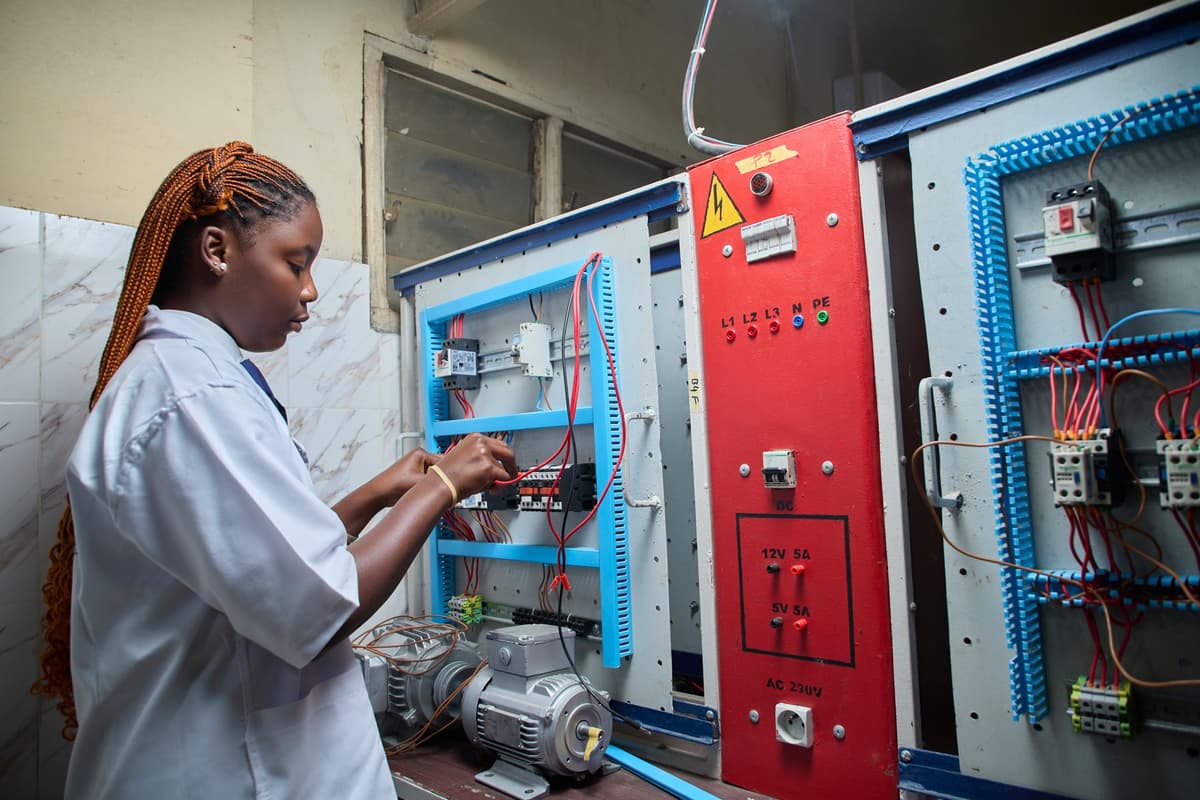
Photo by mickael ange konan on Pexels
A single Level 2 home charger installation often demands a main service panel upgrade from 100 to 200 amps. That job requires permits, utility coordination, and four to eight hours of skilled labor. Multiply that by the millions of homes mandated or incentivized to abandon natural gas over the next decade. The queue does not stretch across days or weeks anymore. In major metropolitan areas, homeowners and commercial developers are routinely staring at six-month backlogs simply waiting for someone licensed to pull the wire.
The Credential Fallacy and Four Decades of Disdain
This crisis was manufactured over forty years by an educational establishment that decided physical mastery was a failure of intellect. Beginning in the late 1970s, American high schools systematically gutted vocational education programs to feed an insatiable pipeline for four-year bachelor's degrees. The culture taught two generations that status, security, and contribution belonged exclusively behind keyboards.
We are now paying the compound interest on that cultural arrogance. The average age of an American certified electrician is currently 46. Over a quarter of the entire workforce is north of 55, sliding rapidly toward full retirement without a backfilled apprentice pool underneath them. While universities produced record numbers of marketing graduates who now face algorithmic obsolescence, the trades were left to starve in plain sight.
Becoming a fully licensed journeyman or master electrician is not a six-week code bootcamp:
- It requires 8,000 to 10,000 hours of documented on-the-job training under direct supervision.
- Apprentices must pass rigorous classroom exams covering calculus, electrical theory, and the 800-plus pages of the National Electrical Code.
- The timeline from absolute beginner to autonomous, insured practitioner is between four and five years—longer than a bachelor's degree.
You cannot expedite that pipeline with an app. You cannot automate panel swaps with large language models. The work remains stubborn, tactile, and governed by strict laws of physics that yield no ground to venture timelines.
Industrial Interconnects and the Frozen Grid
While residential constraints make neighborhood headlines, the industrial bottleneck represents the structural hazard to global climate commitments. Grid-scale renewables are marooned in administrative and technical purgatory across the nation.
At the end of 2023, there were over 2,600 gigawatts of solar, wind, and storage capacity sitting in transmission interconnection queues across the United States. That is more capacity than the entire existing US commercial power fleet combined. While regulatory filings and utility reviews bear part of the blame, the physical capacity to construct high-voltage substations, string transmission lines, and link commercial inverters to the regional grid is constrained by an absolute shortage of specialized high-voltage wiremen.
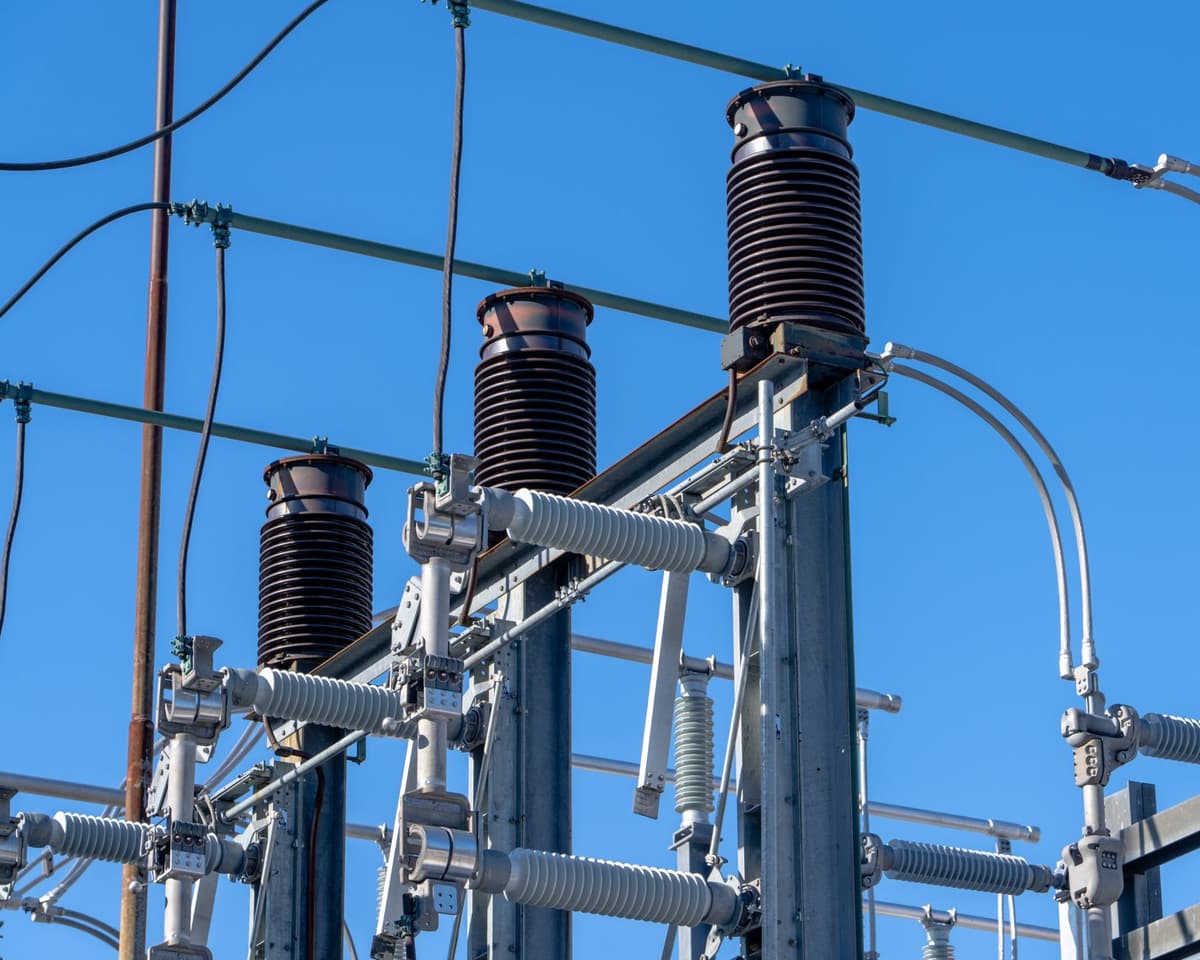
Photo by Phil Evenden on Pexels
Utilities cannot find the contract labor to build substations on five-year schedules, let alone three-year sprints. As artificial intelligence data centers and domestic chip foundries pull immense industrial load forecasts forward—some requesting single facilities with 1,000-megawatt demands—they are competing for the exact same localized pool of master electricians needed to interconnect municipal solar arrays. The highest bidder wins. The public climate agenda takes the delay.
What This Actually Means
The climate debate has suffered from an ongoing crisis of abstraction. We talk about megatons, gigawatts, and carbon accounting sheets because those concepts are easy to analyze on laptops in New York and Washington. We treat implementation as a footnote to policy design.
Vocational infrastructure is climate infrastructure. If an educational policy does not result in hundreds of thousands of new licensed electricians over the next seven years, any corporate emissions target pegged to 2030 or 2035 is an ungrounded fiction. Subsidizing electric appliances without expanding the labor pool required to install them merely inflates the cost of installation, transferring taxpayer subsidies into scarcity premiums for an overstretched contractor class.
This demands state and federal policy treating apprentice stipends, union training centers, and trade-school accreditations with the exact same strategic priority previously reserved for microchip manufacturing and solar panel tariffs. We must recognize that the transition from a fossil-fueled world to an electrified one is not a software update. It is heavy, hazardous construction carried out by people in boots who know how not to catch fire.
If we do not train them immediately, the future we designed will simply remain stacked in cardboard boxes inside shipping containers, waiting for an appointment that never comes.
Quick Answers
Why can't we just retrain software workers or college graduates quickly?
Electrical licensing is heavily regulated for life-safety reasons and requires up to five years of documented field hours, making rapid cross-skilling structurally impossible.
Does higher pay naturally solve the labor shortage?
Pay has spiked significantly—many master electricians easily out-earn white-collar peers—but high pay cannot bypass the multi-year apprenticeship requirements mandated by state safety boards.
Are heat pumps and EVs really driving the shortage directly?
Yes, because both technologies frequently push standard 100-amp residential panels beyond their physical load limits, turning simple retail purchases into mandatory structural panel upgrades that only certified electricians can perform.