The Paint Shaker on Two Wheels
I used to think my post-ride hand numbness was just my body’s way of saying 'thank you' for the exercise. It turns out that persistent low-frequency vibration is actually a silent assassin for your microvascular system. We’ve spent decades obsessing over cardiovascular fitness, but we ignored the fact that riding over shitty city pavement for an hour is the physiological equivalent of being a human cocktail shaker. Your capillaries aren't designed to be rattled like a bag of loose change in a dryer.
Researchers looking at the Shimano Bicycle Museum’s evolution of engineering have realized something horrifying. We spent 100 years making bikes faster, but we forgot that the human squishy parts inside the rider are still basically the same hardware we had in the Stone Age. We are carbon-based life forms riding carbon-fiber sticks over vibrating rocks. It is a recipe for neurological soup.
Your Nerves Are Filing A Formal Complaint
When you hit a patch of 'low-frequency' vibration, your nerves don't just sit there and take it. They panic. This persistent buzzing causes something called chronic neuropathy, which is a fancy medical term for 'your nerves have checked out and gone on strike.' Recent sensor data shows that the vibration travels up through the seat post and handlebars, turning your skeleton into a tuning fork for a song nobody wants to hear.
Imagine your nervous system is a high-speed fiber optic cable. Now imagine someone is standing on that cable while playing the drums. That is what's happening to your ulnar nerve every time you hit a poorly paved bike lane. The Shimano-inspired data suggests that micro-tears in the vascular walls are happening at a scale we never tracked before. You aren't just burning calories; you are literally vibrating your circulatory system into a state of mild confusion.

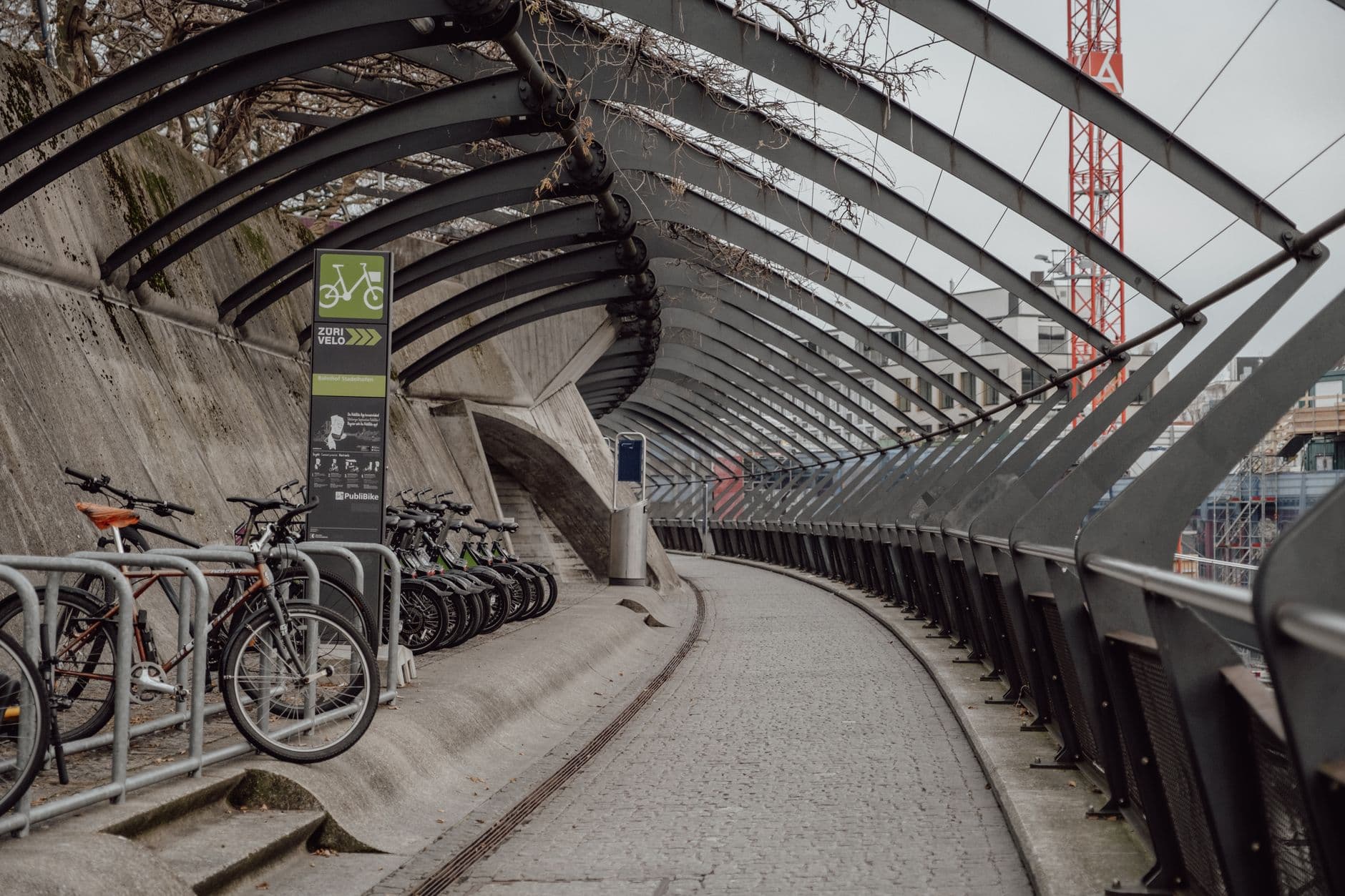
Photo by Yaroslav Shuraev on Pexels
The Asphalt Is The Enemy
Biomedical engineers are finally admitting that urban asphalt is a disaster. It’s too stiff, too irregular, and it hates you. They are now looking at 'biomechanical redesigns' which is code for 'trying to make a bike that doesn't feel like riding a washing machine during the spin cycle.' We are seeing a push for 'asphalt textures' that absorb frequency instead of reflecting it directly into your prostate.
- The 20Hz Death Zone: This specific frequency is the sweet spot where your soft tissues start to lose their minds.
- Microvascular Ghosting: Your blood vessels actually constrict so hard under vibration that they temporarily forget how to be tubes.
- The Fork Problem: Rigid forks are basically lightning rods for nerve damage, funnelling every pebble directly into your elbows.
If we don't fix the texture of our cities, we’re going to have a generation of cyclists who can’t hold a pen by the time they’re forty. Engineers are currently testing polymers that act like acoustic foam for the ground. It’s the difference between walking on a cloud and being kicked in the shins by a robot for six miles.
What This Actually Means
You should probably stop bragging about how 'stiff' your racing frame is unless you enjoy the feeling of your bone marrow being turned into a milkshake. The shift toward wider tires and vibration-damped frames isn't just a trend for lazy people; it’s a medical intervention. We are entering an era where 'comfort' is no longer a dirty word in cycling, because the alternative is permanent tingly-finger syndrome.
By 2026, expect to see urban planners talking about 'frequency-tuned' bike lanes. It sounds like sci-fi nonsense, but it's really just common sense for anyone who has ever felt their teeth chatter while crossing a cobblestone street. We’ve mastered the art of going fast; now we have to master the art of not vibrating our internal organs into a fine paste.
Ultimately, your bike shouldn't be a percussion instrument played by the road. If the bike of the future looks a little more 'squishy' and a little less 'surgical instrument,' your nerves will thank you. Or at least, they’ll stop screaming at you long enough for you to enjoy the scenery.
Quick Answers
Is my bike actually killing my nerves?
Technically, it's the road doing the killing, but your bike is the accomplice providing the delivery system for the vibration.
Will wider tires help?
Yes, big 'supple' tires act like a giant mute button for the road’s annoying vibrations, saving your capillaries from a jittery death.
Should I worry about my $10,000 carbon frame?
If it’s ultra-stiff and you’re riding it on 23mm tires at 100 PSI, you are basically a human earthquake detector and your nerves are currently filing for divorce.