We are terrified of violence that lacks a neat moral justification. When faced with senseless brutality, our instinct is rarely to accept chaotic horror; instead, we rewrite monsters into antiheroes so we can sleep at night. Nowhere is this moral laundering more glaring than in the persistent, romanticized legacy of Aileen Wuornos.
More than two decades after Florida executed her by lethal injection on October 9, 2002, Wuornos occupies a grotesque pedestal in modern pop culture. She is treated less like a predatory killer who gunned down seven men along Interstate 75 and more like an avenging folk legend. T-shirts bear her face alongside ironic slogans. Subreddits dissect her interrogations with reverent awe. Essayists periodically attempt to retroactively enlist her into radical feminist lore. It is a nauseating spectacle, and it reveals far more about our psychological fragility than it does about her crimes.
The Architecture of Dark Empathy
There is a profound difference between understanding the structural factors that produce a violent individual and adopting what psychologists call dark empathy. Dark empathy occurs when we take someone who exhibits callous, antisocial traits and graft our own ideological desires onto their actions. We assign them a coherent grievance because a coherent grievance feels manageable.
Wuornos endured an undeniably catastrophic childhood marked by severe physical abuse, abandonment, and survival sex work beginning in adolescence. These facts are essential context for criminologists. But pop culture does not use her background as context; it uses it as an absolution. By framing her exclusively as a brutalized woman pushed to retaliatory violence against abusive johns, commentators craft a comfortable morality play.

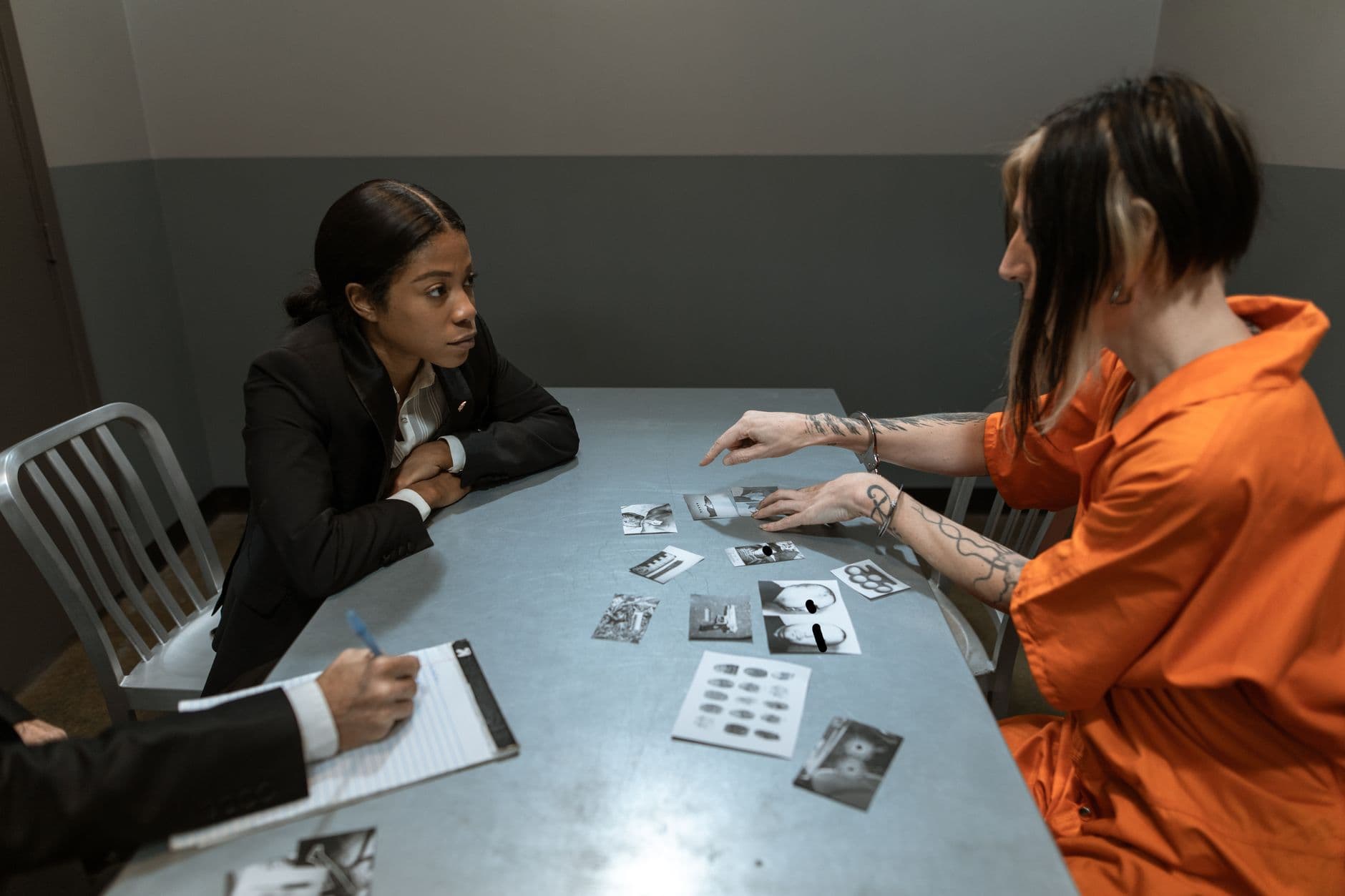
Photo by Strange Happenings on Pexels
The forensic reality stubbornly rejects that framing. Wuornos was not engaged in a unified campaign of self-defense. She shot several of her victims multiple times at close range, stole their vehicles, pawned their belongings, and abandoned their bodies in the brush. In her final interviews with documentary filmmaker Nick Broomfield, she openly dismantled the folk hero status people were already trying to give her. She admitted that robbery was the motive, stating bluntly that she had hated life and killed out of cold, bitter malice. We ignored her confession because an unrepentant killer does not fit the narrative we bought.
Why We Need Villains to Make Sense
The cultural impulse to rehabilitate killers stems from a desperate need to believe the world operates on predictable rules. If a killer is an ideological vigilante, the universe remains fundamentally fair. Under that framework, violence is caused by bad behavior meeting its inevitable match, meaning innocent people are safe as long as they stay virtuous.
Accepting what Wuornos actually was requires staring into a much darker abyss. It means accepting that severe psychological disintegration, systemic neglect, and personal depravity can collide to create someone who kills ordinary people simply because they stopped their car to offer a ride. A random, opportunistic predator exposes our vulnerability; an antihero reassures our sense of order.
Consider the mechanics of how our culture sanitizes horrific crimes into digestible entertainment:
- We strip away the banal, grimy reality of the victims' lives and deaths to center the offender's personal trauma.
- We assign political or philosophical coherence to chaotic, impulsive violence where none existed.
- We confuse aesthetic fascination, like Charlize Theron's transformative performance in the 2003 film Monster, with ethical justification.
- We commodify the killer into an outsider rebel archetype, selling a sanitized counterculture aesthetic detached from actual bloodshed.
This reframing is not an act of radical compassion. It is a psychological defense mechanism designed to insulate consumers from the chilling reality of interpersonal slaughter.
The Erasure of the Dead
The most insidious consequence of this mythmaking is the total marginalization of the people she murdered. Richard Mallory, David Spears, Charles Carskaddon, Peter Siems, Troy Burress, Charles Humphreys, and Walter Antonio were human beings with families, histories, and flaws. In the folk myth of Wuornos, they are reduced to nameless, interchangeable symbols of systemic oppression.
When society elevates a murderer to countercultural icon, the victims undergo a second erasure. Their deaths are no longer treated as devastating human losses; they become necessary plot devices in someone else's fabricated hero journey. Richard Mallory, her first victim, spent ten years serving his country in the U.S. Navy. Charles Humphreys was an investigator for the state child abuse agency. Walter Antonio was a husband and father who worked as a truck driver and security guard. Yet the prevailing cultural narrative carelessly smears them all under a broad, unsubstantiated brush of abusers who had it coming.
True-crime culture loves to boast about its empathy, claiming that endless podcasts and docuseries honor victims and dissect trauma. In practice, the industry routinely trades dignity for spectacle. It feeds an insatiable consumer appetite for transgressive characters while ignoring the profound, irreversible finality of a bullet wound.
What This Actually Means
The mythologizing of Aileen Wuornos demonstrates that we are losing the capacity to hold two difficult truths simultaneously. We can recognize that our social systems failed an abused, marginalized child without turning the violent adult she became into a righteous crusader. A broken system can produce a monster, but that doesn't make the monster a visionary.
When we romanticize violent offenders to satisfy our own sociopolitical narratives, we do not achieve deeper understanding. We simply practice a cowardly form of storytelling that substitutes convenient fantasy for agonizing reality. We project our anger onto figures who never shared our principles, pretending their atrocities were acts of revolution rather than what they truly were: profound, senseless tragedy.
True maturity requires looking directly at human cruelty without trying to dress it up in the garments of justice. Aileen Wuornos was not an emblem of resistance. She was a damaged, homicidal woman who took seven lives and left ruin in her wake. To remember her as anything else is a failure of both intellect and basic decency.
Quick Answers
Did Aileen Wuornos claim her actions were strictly self-defense?
Initially, she claimed the killings were responses to attempted rape or assault. However, she later recanted those claims entirely, confirming that robbery was her primary motive and that she killed with premeditation.
Why did the media latch onto her so differently from other serial killers?
She violated nearly every statistical norm of modern serial homicide as a solitary female predator using a firearm against strangers along highways. The extreme rarity of her profile made her an instant subject for sensationalism and cultural projection.
Does acknowledging her trauma mean excusing her murders?
No. Criminology must examine systemic failures, early trauma, and severe mental illness to understand how violence develops, but understanding causation is entirely different from offering moral justification.