Murder Is Not a Vibe Check
We have a serious problem with our collective hobby of turning Victorian axe-wielders into patron saints of the 'unheard woman.' I get it, the 1890s were stressful. Corsets were tight, you couldn't vote, and your father probably smelled like mothballs and disappointment. But most people dealt with that by writing a very passive-aggressive letter or dying of consumption at thirty-two. Lizzie Borden allegedly went for the 40-whack special, and somehow, in 2024, there are people on TikTok editing her photos to Lo-Fi hip-hop beats with captions like "She was just setting boundaries."
There is a massive difference between "breaking the glass ceiling" and "shattering your stepmother’s cranium." When we look at figures like Borden or Christa Pike—who, reminder, is on death row for a reason that involves a piece of a skull as a souvenir—and try to frame them as symbols of systemic gender repression, we are doing a lot of heavy lifting. It’s like looking at a dumpster fire and saying, "The way the flames lick the trash really speaks to the discarded nature of the feminine psyche." No, Janet, it’s just a fire. And it smells like burning plastic.
This "Dark Fandom" phenomenon is basically what happens when you mix a bored sociology major with a Netflix subscription and a complete lack of a survival instinct. We’ve managed to bridge the gap between morbid curiosity and actual stan culture. If you’re making a fancam for someone who committed a felony before the invention of the internet, you don't need a theory on social alienation. You need a hobby that doesn't involve archival footage of crime scenes.
The Girly-Pop Defense League
I’ve seen the threads. You know the ones. They start with a sentence like "While her actions were technically illegal..." and then proceed to write a 4,000-word manifesto on why being a triple-homicide suspect is actually a radical act of self-care. It’s the ultimate version of "I can fix her." Except you can't fix her because she’s either a hundred years dead or currently eating prison loaf while plotting your demise.

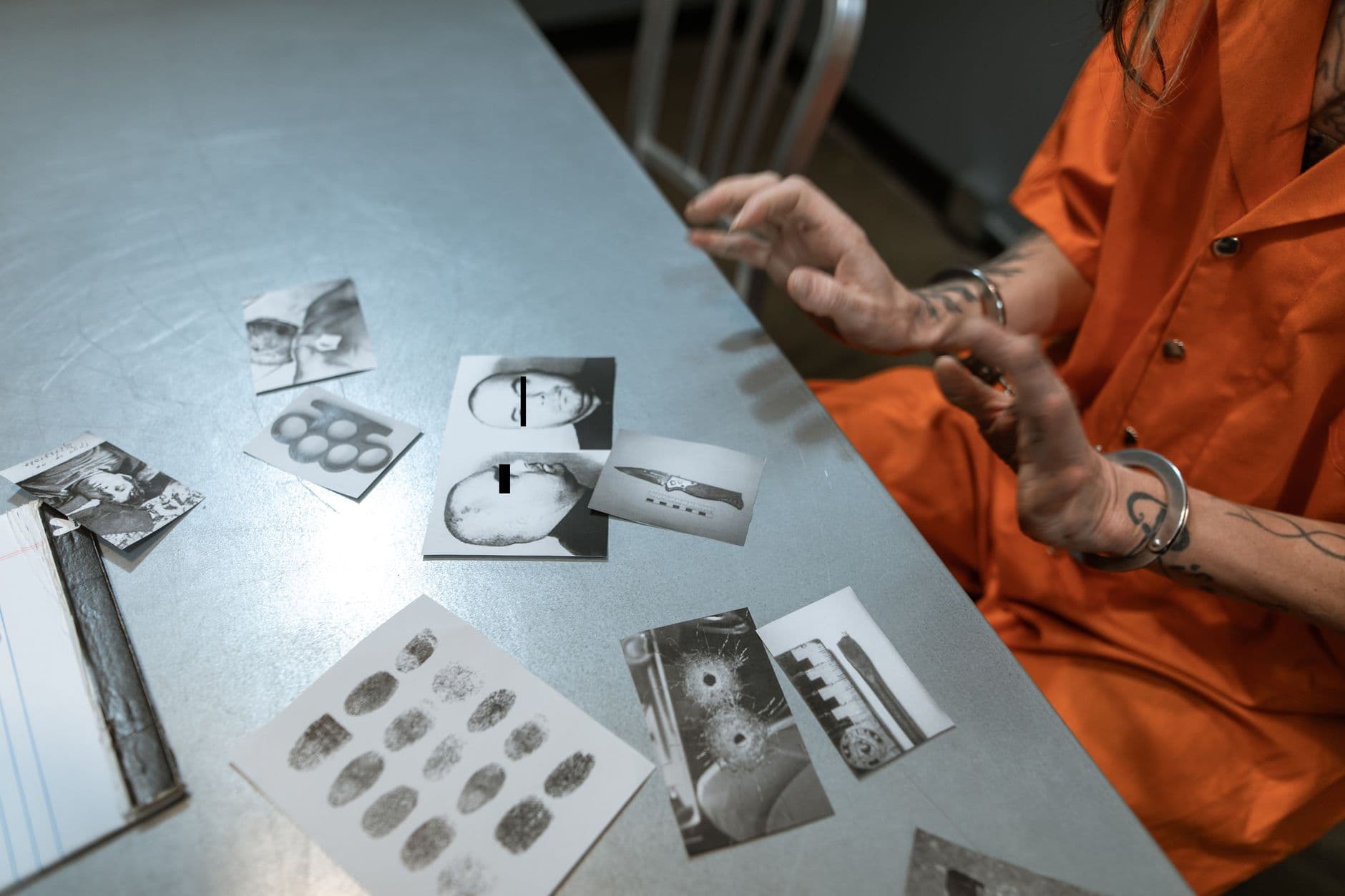
Photo by Tara Winstead on Pexels
Christa Pike is a favorite for the digital fringe because she represents the "unhinged" aesthetic. There’s this weird psychological loop where people see a woman committing an act of extreme violence and think, "Wow, she really reached her limit, I also feel stressed at my job at the insurance agency." The leap from "my boss gave me a deadline" to "I am going to participate in a ritualistic murder" is not a bridge; it is a canyon. It is the Grand Canyon of bad choices.
We love a folk anti-hero, but usually, those are people like Robin Hood who stole from the rich. They aren't people who took a break from their day to engage in light cannibalism. The internet’s archival culture has turned the most horrific moments of human history into a searchable database of "aesthetic" tragedies. It’s a buffet of trauma where you can pick and choose which murderer fits your current mood. Feeling oppressed by the patriarchy? Grab a Borden. Feeling quirky and nihilistic? Go for Pike.
Why Your Brain Is Broken
Science—or at least the guy I talked to at a bar who once read a psychology textbook—suggests we do this because it’s a safe way to explore the "shadow self." But the shadow self was supposed to be the part of you that wants to eat an entire cake at 3 AM, not the part that wants to commit a heist on a morgue. By turning these women into icons, we’re trying to find a shortcut to feeling powerful. It’s easier to relate to a monster than it is to fix a broken social system, mainly because monsters have better branding.
- Step 1: Woman commits a crime that makes the local news look like a horror movie.
- Step 2: Fifty years pass (or twenty, if the internet is feeling fast).
- Step 3: Someone finds a grainy photo of her looking vaguely sad or intense.
- Step 4: A Tumblr post receives 50,000 notes explaining that she was actually a victim of the Victorian era's lack of antidepressants.
- Step 5: We all forget there was an actual victim who is, notably, still dead.
It’s a cycle of absurdity. We are using the most extreme outliers of human behavior to discuss average problems. It’s like using a nuclear explosion to explain why your microwave is broken. Yes, they both involve heat, but one of them is significantly more problematic for the neighbors.
What This Actually Means
At the end of the day, our obsession with these "dark sisters" says way more about our own boredom than it does about their supposed struggle. We want our villains to be complicated because the reality—that some people are just terrifyingly violent—is a lot harder to process than a "misunderstood queen" narrative. We’re dressing up tragedy in the costume of rebellion because it makes for a better story.
If you find yourself scrolling through a thread about how a serial killer was "just a girl," please, I beg of you, put the phone down. Go outside. Look at a tree. The tree has never murdered anyone. The tree does not have a dark fandom. The tree is just being a tree, and it doesn't require a 10-part video essay to justify its existence.
We need to stop treating the criminal justice system like it’s a casting call for a gritty reboot of Mean Girls. Sometimes the person with the axe isn't a symbol of the proletariat or a victim of the male gaze. Sometimes, they’re just the person with the axe. And usually, that’s the person you’re supposed to run away from, not the person you’re supposed to follow on Instagram.
Quick Answers
Is it okay to be interested in true crime?
Yes, curiosity is natural, but if you start buying 'Free Christa' t-shirts, you’ve crossed the line from 'interested' to 'needs a professional intervention.'
Why do people romanticize Lizzie Borden?
Because she’s old enough to be a legend and had a catchy jump-rope rhyme, which is basically the 19th-century version of going viral.
Is there actually a 'Dark Fandom' for modern killers?
Absolutely, and it’s a terrifying mix of true crime junkies, edgy teenagers, and people who genuinely believe they have a 'psychic connection' to death row inmates.
Can extreme violence ever be a valid form of social protest?
History says yes, but history also says that 'social protest' usually involves a manifesto and a goal, not a piece of your victim's skull in your pocket.