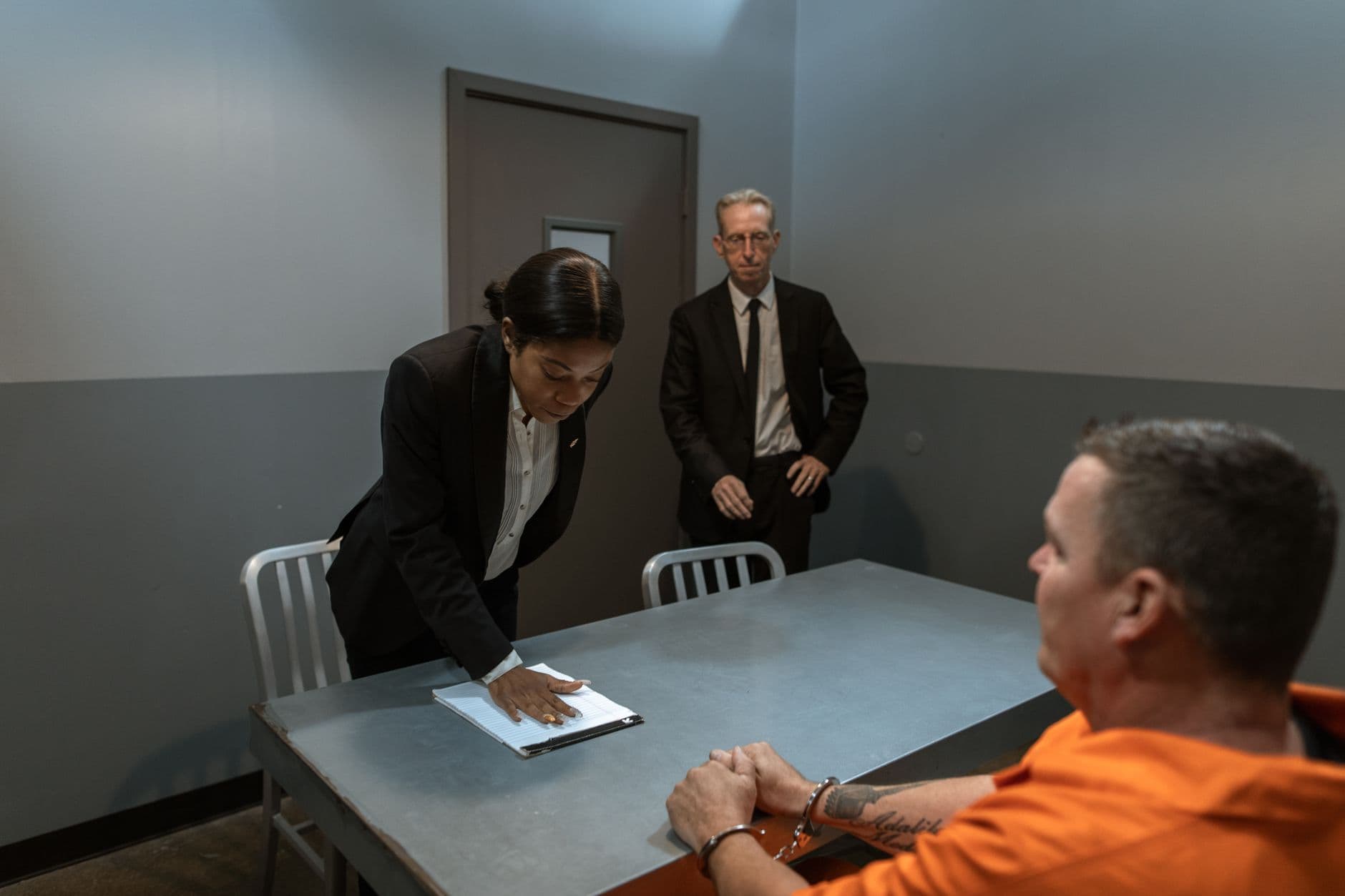
Your Favorite Convict Is Now Your Favorite Creator
There is something truly heartwarming about the way the internet has collectively decided that the best way to handle complex trauma and decades of systemic abuse is to provide the victim with a ring light and a lucrative brand deal for hair gummies. We’ve successfully streamlined the pipeline from a prison cell to a sponsored post, proving that the American Dream is alive, well, and currently filming a GRWM video for three million teenagers. It’s not enough to see justice served; we need to see justice curated, filtered, and monetized before the first parole check-in.
Gypsy-Rose Blanchard didn't just walk out of Chillicothe Correctional Center on December 28, 2023; she walked into a digital ecosystem that was ready to dissect her outfit choices with more vigor than the original prosecution. We’ve moved past the era of mere voyeurism. We are now in the era of high-stakes, participatory management. If she posts a selfie that doesn't align with our specific vision of a "healing victim," the comments section turns into a boardroom of amateur psychologists and branding experts ready to fire her from her own life.
The Rehabilitation Will Be Live-Streamed
Traditional rehabilitation is so twentieth century. Why bother with quiet reintegration into society when you can have 8.3 million Instagram followers scrutinizing your choice of footwear? The internet has decided that the ultimate form of restorative justice is turning a human being into a Tamagotchi that we can feed with likes or starve with "unproblematic" cancellations. It’s a beautiful, democratic process where the public acts as a secondary, 24/7 parole board that cares less about recidivism and more about whether the subject is sufficiently "slaying."
- We demand transparency, then complain when the reality of a traumatized person isn't aesthetically pleasing.
- We treat legal documents like lore drops in a cinematic universe.
- We expect a woman who spent her youth in a literal and figurative cage to immediately master the nuances of 2024 discourse.
Photo by cottonbro studio on Pexels
This isn't about empathy; it's about the fact that we’ve run out of scripted television and have resorted to mining the police blotter for our next protagonist. We’ve turned the legal system into a feeder league for reality TV. When a subject like Blanchard gains more followers in forty-eight hours than most career politicians have in a lifetime, we aren't witnessing a triumph of the human spirit. We’re witnessing a market correction where the commodity being traded is the sheer discomfort of watching someone try to navigate a world they were never taught to live in.
Managing the Brand of Trauma
The most impressive part of this transition is how we’ve convinced ourselves that this is "support." We tell ourselves that by buying the book or watching the Lifetime special, we are helping a survivor find her voice. In reality, we are just making sure the content mill stays greased. If a survivor doesn't perform their trauma in a way that is palatable—if they get a divorce too fast, or post a spicy comment to a hater—the crowd turns. The same people who were "rooting for her" suddenly act like shareholders whose stock just plummeted because the CEO dared to have a personality outside of the prospectus.
It’s a bizarre form of digital house arrest. Instead of an ankle monitor, she has a comment section. Instead of a PO, she has a million suburban moms and Gen Z activists checking her location tags. We have effectively gamified the concept of a "fresh start," turning the mundane acts of buying groceries or getting a haircut into high-octane plot points for a global audience that is perpetually bored and looking for a reason to feel morally superior.
Photo by Đan Thy Nguyễn Mai on Pexels
What This Actually Means
What we are seeing is the final death of the boundary between the legal system and the entertainment industry. We have decided that the traditional path of serving one's time and fading into the background is a waste of good engagement metrics. Why be a person when you can be a platform? The "Parole-to-Platform" pipeline is the logical conclusion of a society that views every tragedy as a potential pilot episode and every victim as a brand waiting to be launched.
Ultimately, this isn't about Gypsy-Rose Blanchard. It’s about our own pathological need to be involved in stories that don't belong to us. We’ve turned the internet into a giant, digital Coliseum where the lions have been replaced by influencers, and the thumbs-up emoji is the only thing keeping the subjects from being torn apart by the very people who claim to be their biggest fans. It’s not restorative justice; it’s just the loudest, most expensive form of surveillance we’ve ever invented.
We don't want these people to be "free" in the traditional sense. We want them to be accessible. We want them to be visible. We want them to stay in the frame so we can keep clicking. If they actually found peace and disappeared into a quiet, normal life, we’d probably sue them for breach of contract.
Quick Answers
Is this actually helping survivors?
Only if you believe that being scrutinized by millions of strangers is a clinically recognized treatment for complex PTSD.
Why are we so obsessed with these specific cases?
Because it allows us to feel like activists from the comfort of our couches without having to actually do anything about the legal system itself.
What happens when the internet gets bored of a true crime subject?
They are discarded with the same speed as a last-season fashion trend, leaving them with all the trauma and none of the sponsorship checks.