The Great Glass Mistake of 2007
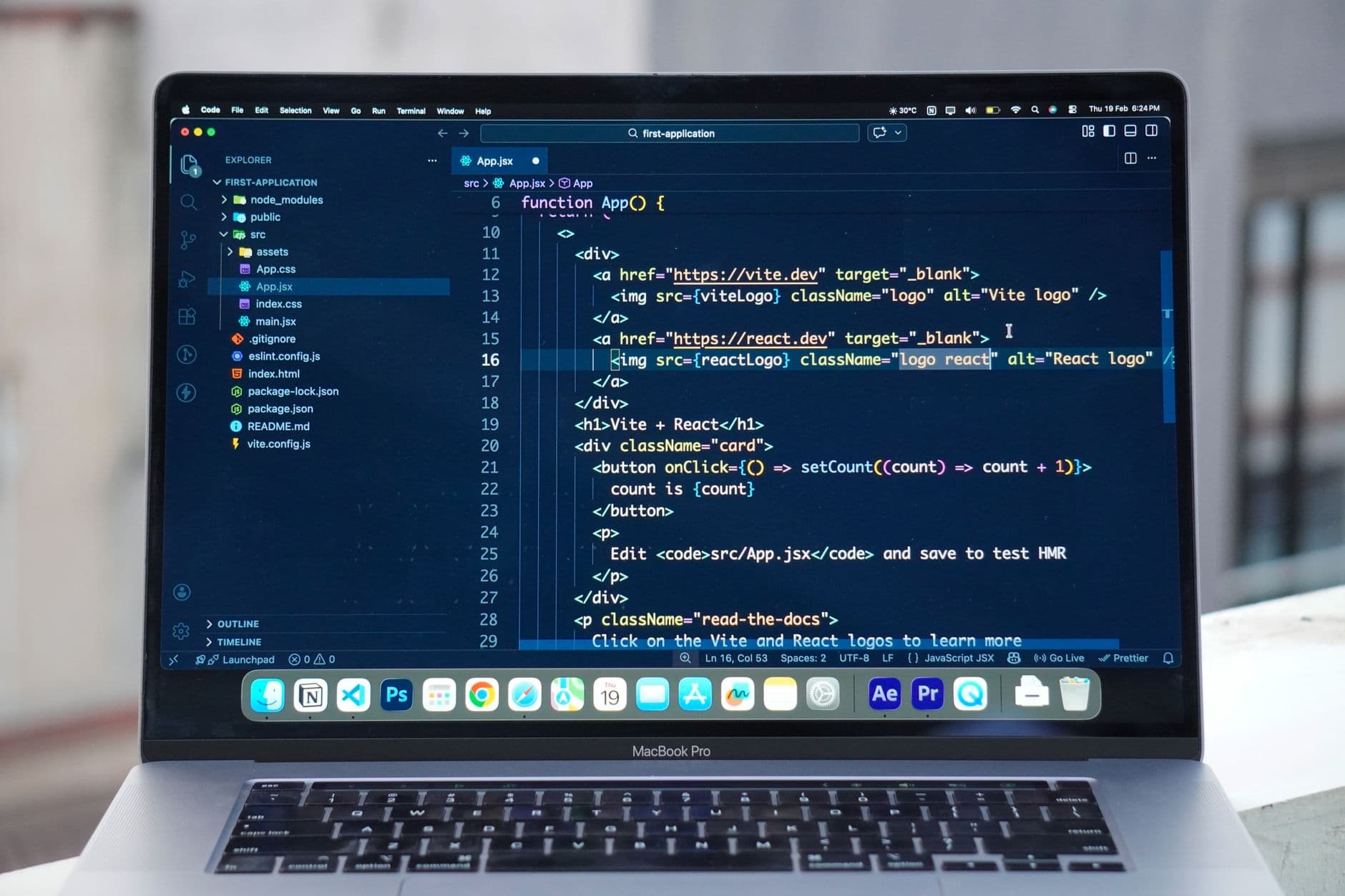
For over a decade, industrial designers convinced us that the peak of human evolution was a flat, fingerprint-smudged piece of glass. We were told that buttons were 'clunky' and 'analog.' We traded the satisfying thunk of a high-voltage toggle for the hollow, depressing haptic vibration of a smartphone screen trying to convince your thumb it actually felt something. It didn't. You knew it didn't. But you smiled and swiped anyway because the future was supposed to be smooth.
Now, the pendulum is swinging back with the subtle grace of a wrecking ball. High-end consumer hardware brands are suddenly obsessed with 'tactile reliability.' This is a fancy way of saying they realized that looking at a screen to adjust the volume while driving at 70 miles per hour is a fantastic way to meet your ancestors. The revolutionary discovery? Physical knobs stay where you put them. They have this incredible feature called 'texture' that allows you to use them without looking. It’s ground-breaking stuff.
Paying for the Privilege of Friction
If you want to feel like a Cold War radar operator while checking your email, it’s going to cost you. Look at the latest crop of 'pro' gear. We have $3,000 cameras with dedicated mechanical dials for ISO and shutter speed, and $500 mechanical keyboards that sound like a hailstorm on a tin roof. We are witnessing the birth of the 'Tactile Premium.' If it clicks, it’s luxury. If it slides with a damped, hydraulic resistance, it’s high-art. If it’s just a menu on a screen, it’s for the peasants.
- The $1,200 'smart' amplifier that features a physical needle gauge because apparently, we can't trust digital numbers anymore.
- Retro-styled refrigerators with heavy latches that make closing the door feel like sealing a nuclear bunker.
- Hand-milled aluminum knobs on smart speakers that cost more than the actual internal electronics.
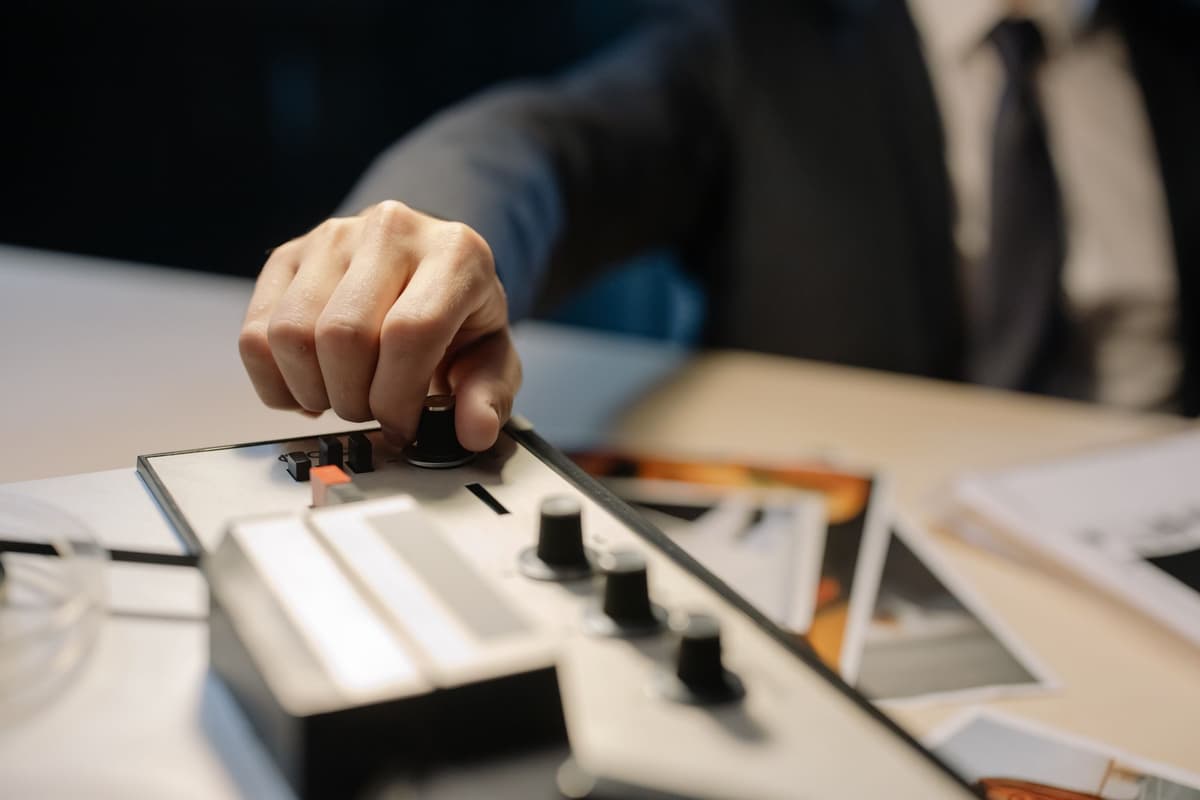
Photo by cottonbro studio on Pexels
This isn't about efficiency. If we wanted efficiency, we’d use voice commands or automation. This is about the desperate need to feel like we are actually in control of our machines. We want to feel the resistance of a spring. We want to hear the mechanical snap of a relay. We want to pretend that our $400 coffee maker requires the same level of technical expertise as a B-52 bomber. It’s cosplay for people who work in spreadsheets.
The Mid-Century Control Room Aesthetic
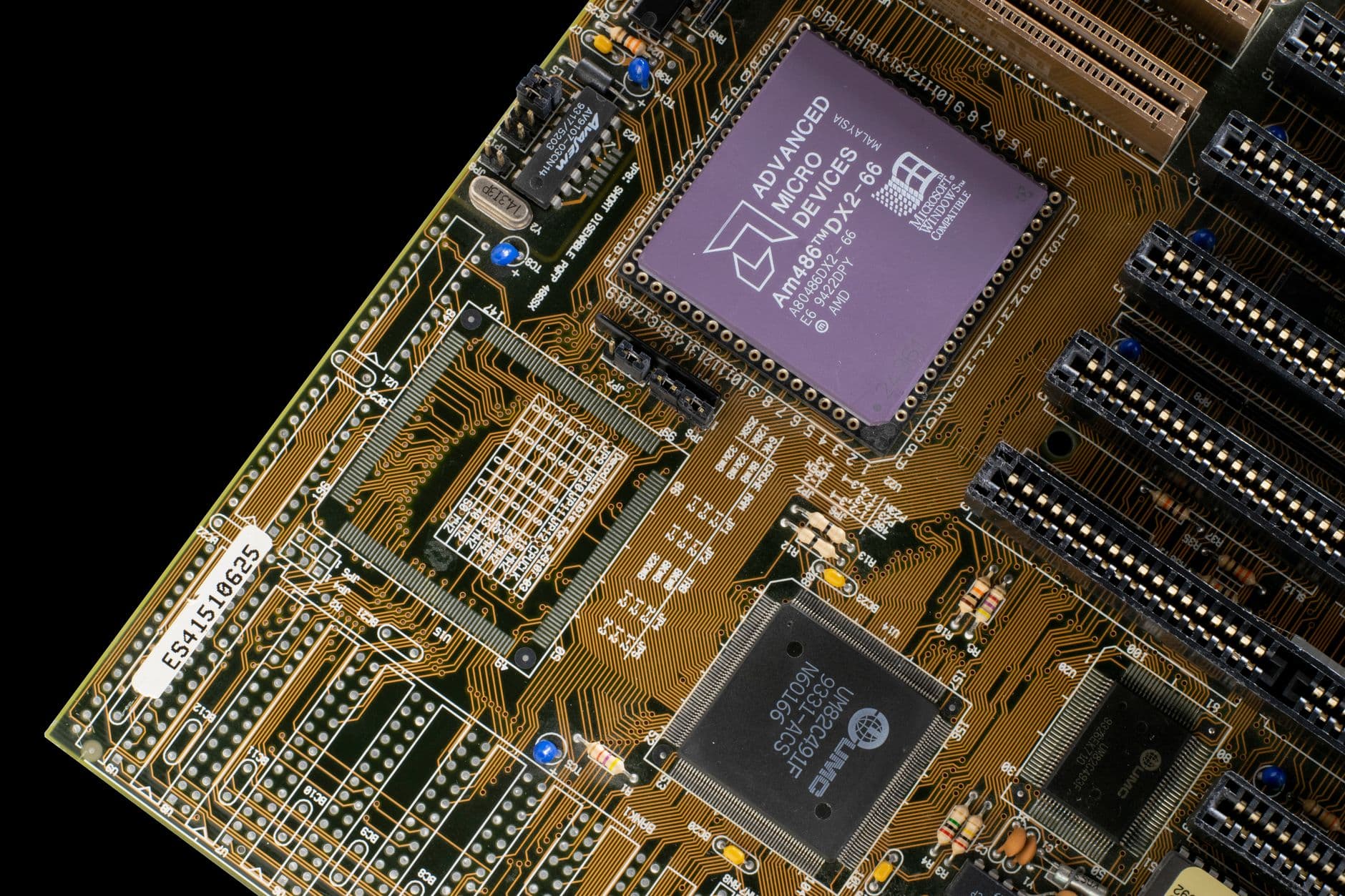
Designers have pillaged the archives of 1960s NASA control rooms and German industrial labs. They’ve realized that the 'modular industrial' look suggests a level of seriousness that a glossy white plastic shell simply cannot muster. By slapping a few toggle switches and some exposed screw heads on a device, a company can imply that their product is an 'instrument' rather than a 'gadget.' Instruments are for professionals; gadgets are for people who play Candy Crush.
This aesthetic pivot is a direct response to software fatigue. We are tired of 'infinite flexibility' because infinite flexibility usually means 'nothing works quite right and everything requires a firmware update.' A physical switch has two states: on and off. It does not need to sync with the cloud. It does not have a loading spinner. It does not ask you to review its performance in the App Store. There is a terrifying level of honesty in a physical button that tech companies are now desperate to commodify.
What This Actually Means
We are paying a massive surcharge to escape the digital hellscape we spent billions of dollars building. The 'Tactile Reliability' trend is the ultimate admission of failure by the UI/UX industry. They tried to digitize our entire sensory experience and realized that humans are actually biological creatures who like the way metal feels against skin. We want the 'pre-pixel' era back, but only the parts that look cool on a mahogany desk.
Expect to see more of this. Expect your next car to brag about having 'real' buttons as if it’s a revolutionary safety feature rather than the standard for the previous hundred years. We are entering an era where the richness of your life is measured by how many things you can physically turn, flip, or press without a screen getting in the way. It’s a beautiful, expensive, and deeply ironic return to form.
Ultimately, we are just monkeys who like it when the stick makes a loud noise. If you can make that noise cost three months' rent, you've successfully mastered modern product design.
Quick Answers
Is tactile hardware actually better?
Yes, because you can actually tell if you've done something without having to stare at a pixelated confirmation pop-up.
Why is it so expensive?
Because milling a piece of aerospace-grade aluminum costs more than printing a circuit board, and companies know you'll pay for the 'soul' of a mechanical click.
Will touchscreens disappear?
No, they're too cheap for manufacturers to give up entirely, so they'll just become the mark of 'budget' hardware while the rich enjoy their knobs.
Is this just nostalgia?
It's 20% nostalgia and 80% a desperate cry for help from people who are tired of their toaster having a boot-up sequence.