The Death of the 'Vibe Check' in Science
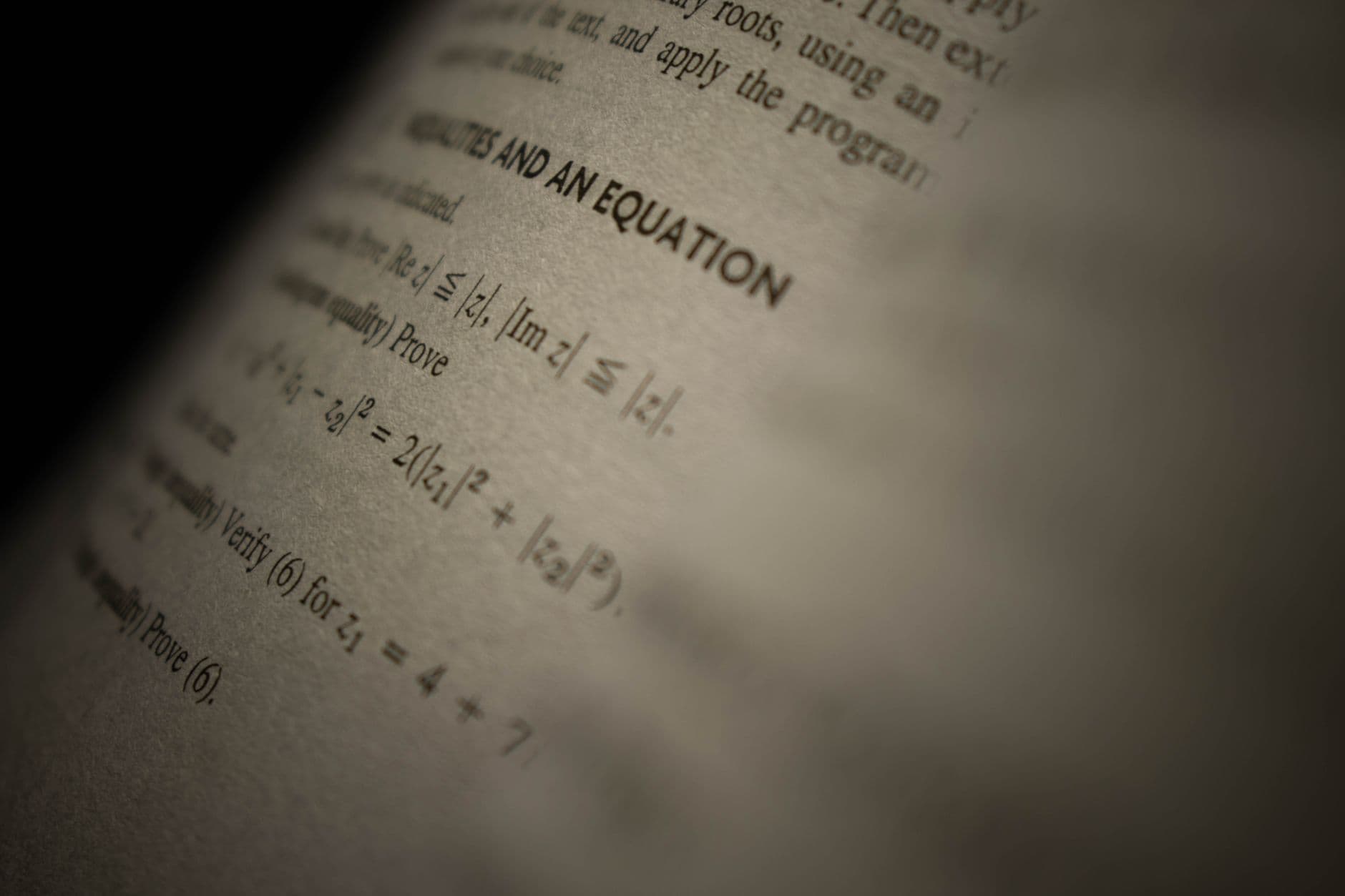
For centuries, mathematics was a conversation between people who occasionally looked at the stars and wondered if they could describe them with squiggles. We called this 'intuition.' It was a lovely, messy era where a mathematician could present a proof, and another mathematician would look at it, stroke their chin, and decide if the logic felt sturdy enough to build a career on. But intuition is notoriously difficult to scale in a venture-backed quarterly report, and human peer reviewers have this annoying tendency to need lunch breaks and health insurance.
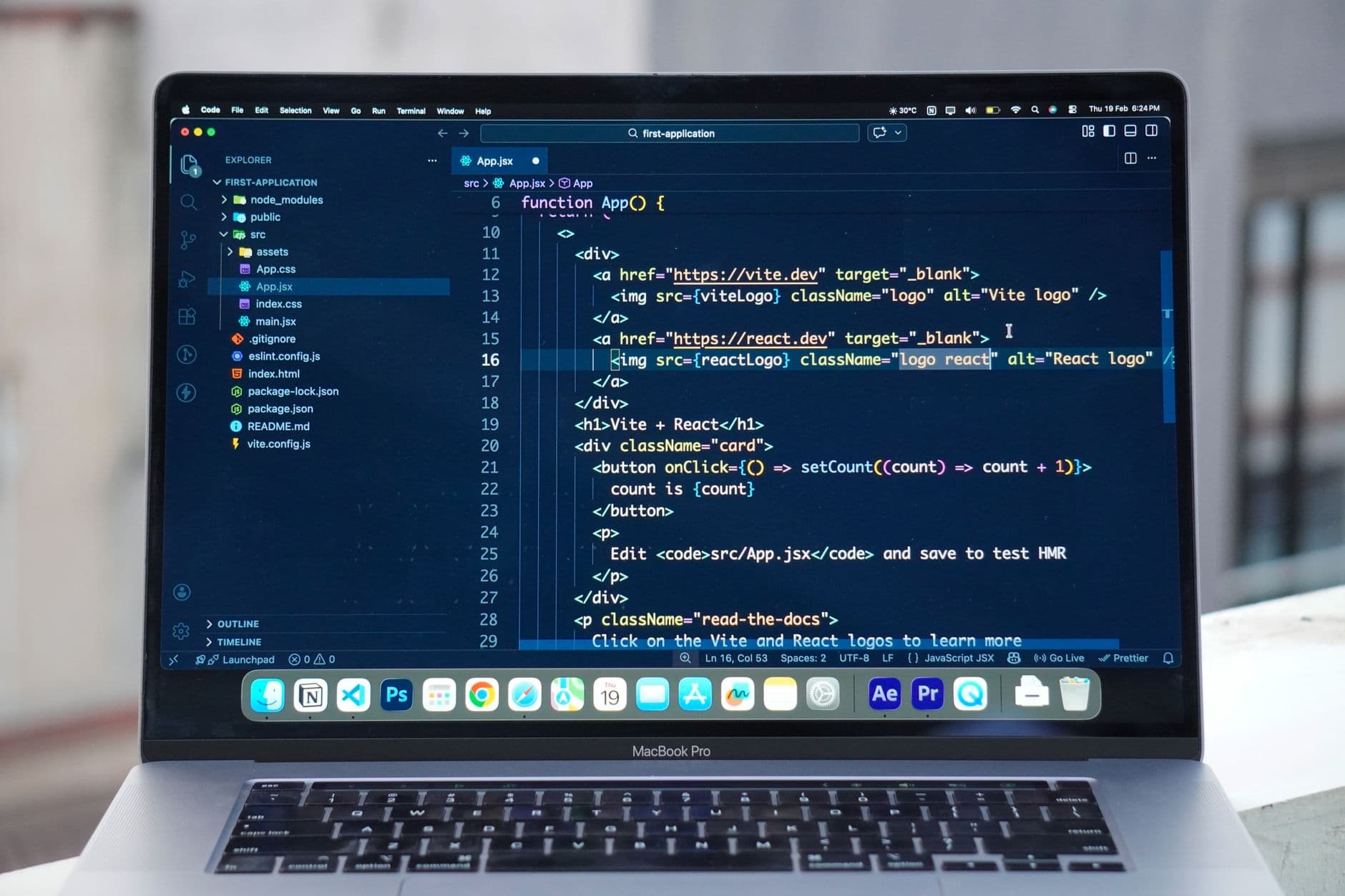
Enter the 'Mathematical Shortage.' Apparently, we’ve run out of people who can think deeply about abstract structures without hallucinating a crypto scam. The solution, naturally, is to stop writing math for humans and start writing it for Lean, Coq, and Isabelle. We are transitioning from a language of ideas to a language of syntax errors. If a computer hasn't verified your discovery, did you even discover it? Probably not. You probably just had a very intense daydream that doesn't compile.
Formal Verification is the New HR Department
Formal verification is the ultimate bureaucratic dream. It turns the act of scientific discovery into a rigorous game of 'Filling Out the Form Correctly.' In the old days, a mistake in a proof was an opportunity for a spirited debate at a faculty mixer. Now, a mistake is just a red underline in an IDE. We are effectively lobotomizing the 'aha!' moment and replacing it with the 'build successful' notification. It’s much cleaner this way. No more messy debates about the philosophical implications of a theorem; just a binary check to ensure the symbols are in the right boxes.
This shift is fueled by the 'reproducibility crisis,' a fancy term for the fact that a staggering amount of published research is basically fan fiction with a bibliography. Instead of asking why our academic incentives reward volume over validity, we’ve decided to just build a giant robot to check the homework. If the human can't be trusted to tell the truth, we’ll simply automate the truth until it’s so rigid that no one actually understands what it’s saying anymore. We are building a library of Alexandria that only a server farm can read.
The Synthetic Proof Factory
AI is now generating 'synthetic proofs' to fill the gap left by the vanishing mathematicians. It’s a beautiful cycle of obsolescence. An AI generates a hypothesis, another AI translates it into a formal language, and a third AI checks if the logic holds up. Humans are relegated to the role of the guy who plugs the machines in and occasionally wipes the dust off the monitors. We’ve successfully turned the highest form of human thought into a closed-loop automated manufacturing process.
- No more 'elegant' proofs—only 'efficient' ones.
- Peer review is dead, replaced by a 2.0 GHz processor that doesn't care about your tenure track.
- Mathematics is no longer a tool for understanding the universe; it’s a tool for satisfying a compiler.
We are told this is a breakthrough. We are told that by removing the human element, we are removing human error. What we’re actually doing is ensuring that when the system fails, it fails in a way that is completely incomprehensible to everyone involved. But at least the documentation will be perfect. The $1.2 trillion AI industry cannot be bothered with the slow, agonizing process of human consensus when it can just brute-force a million formal proofs by Tuesday.
What This Actually Means
What this actually means is that we are witnessing the final divorce of 'knowing' from 'understanding.' A machine can verify that a proof is correct without having the slightest clue what the proof represents. It’s the ultimate triumph of syntax over semantics. We are creating a world where we have all the right answers, but we’ve forgotten how to ask the questions that led us there.
In the near future, being a 'mathematician' will likely mean you are a glorified debugger. You won't be looking for the secrets of the cosmos; you'll be looking for a missing semicolon in a 400-page formalization of a theorem that no human has actually read since 2029. It’s a bold new era of absolute certainty and zero insight.
Ultimately, the 'Mathematical Shortage' isn't about a lack of people who can do math. It’s about a lack of patience for the human pace of discovery. We want the truth, and we want it in a format that fits into a spreadsheet. If we have to kill the soul of the discipline to get there, well, that’s just the cost of doing business in the age of the machine.
Quick Answers
Is human peer review actually dead?
Not yet, but it’s currently on life support and being asked to sign a DNR by a Large Language Model.
Why do we need formal verification?
Because humans are prone to lying, dreaming, and making typos, whereas machines are only prone to doing exactly what we tell them, however stupid that may be.
Will this make science better?
It will certainly make it more 'correct' in a technical sense, which is exactly how you describe a boring person who is never wrong but has nothing interesting to say.