Protection Rackets for Your Penne
We’ve spent decades believing the Mediterranean diet is the gold standard of health because of the antioxidants and the sunshine. It turns out the real secret to longevity is being too terrified of the local syndicate to put corn syrup in the marinara. While the rest of the world is busy eating pink slime and lab-grown chicken nuggets that have the structural integrity of a damp sponge, the Italian Agromafia is out here acting as the world’s most aggressive health inspectors. They aren't checking for hairnets; they're checking for structural heresy.
Imagine a world where the FDA didn't just issue a sternly worded recall notice but instead sent a guy named 'Big Sal' to throw your counterfeit truffles into a woodchipper. That is the current state of Italian agriculture. Reports suggest that organized crime groups are blocking fentanyl imports because it 'ruins the social fabric.' Apparently, you can’t sell high-end Prosciutto di Parma to a neighborhood that’s currently hallucinating in a gutter. It’s a very specific, very violent form of corporate social responsibility.
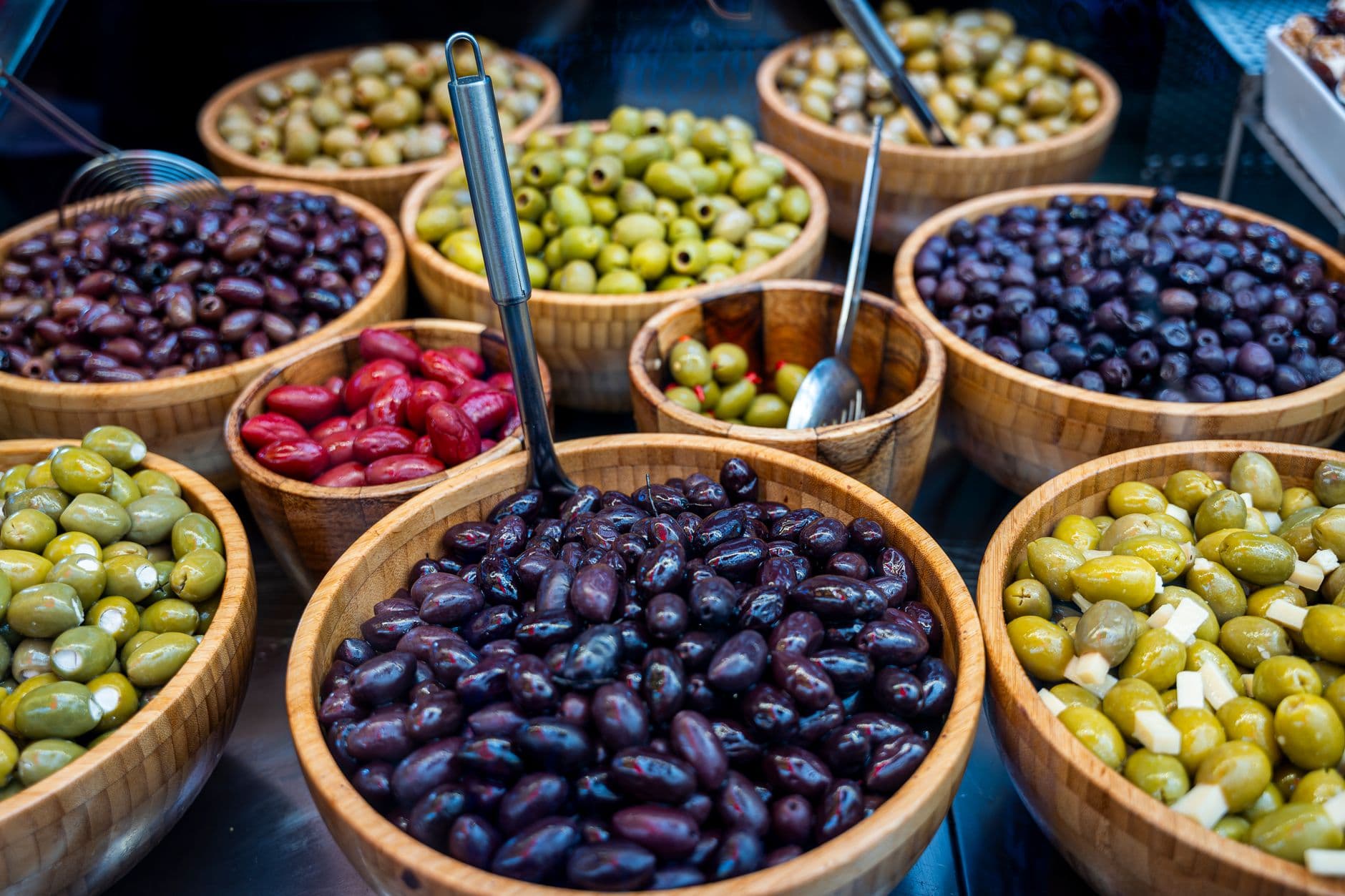
This isn't some small-time operation involving a few shady crates of tomatoes behind a gas station. We are talking about a $16 billion annual industry known as the Agromafia. These guys have realized that while smuggling cocaine is profitable, the margins on 'extra virgin' olive oil that’s actually 40% sunflower oil are basically a license to print money—unless, of course, someone else tries to do it. Then it becomes a matter of brand protection. They are the only cartel in the world that will break your legs for using the wrong type of cow for your Pecorino.
The Sommelier With a Shiv
There is something deeply hilarious about a mob boss sitting in a dimly lit basement, surrounded by maps of the Bronx, screaming about the acidity levels of lemons from Sorrento. We usually picture the mafia planning a heist on a diamond exchange, not orchestrating a hostile takeover of a boutique artichoke farm. But here we are. They have become the unintended, terrifying guarantors of global food prestige. They’ve essentially turned the 'Protected Designation of Origin' label into a blood oath.
If you try to sell fake San Marzano tomatoes in certain parts of Italy, you aren't going to get a cease-and-desist letter from a lawyer in a slim-fit suit. You’re going to get a visit from a man who hasn't blinked since 1994. This creates a bizarre paradox: the more corrupt the region's underworld, the more likely your cheese is actually made of milk. It’s the only place on Earth where the shadow economy is actually fighting against the industrial sludge of Big Food.
- The Mob: 'This oil must be from the first cold press or Tony gets the pliers.'
- Monsanto: 'What if we made the corn taste like a nickel and never die?'
- Result: I’m weirdly rooting for the guys in the tracksuits.
Blood, Sweat, and Balsamic
Let’s be honest, the modern grocery store is a hall of mirrors. You buy 'honey' that is actually just honey-flavored despair and 'truffle oil' that has never been within fifty miles of a fungus. In this landscape of lies, the Agromafia is the only entity with the balls to enforce quality control through sheer intimidation. They are protecting the 'Made in Italy' brand with the same fervor they used to protect the docks in the 70s. It’s high-stakes farm-to-table, where the table is occasionally used for an interrogation.
This creates a supply chain that is remarkably resilient to the 'innovations' of food scientists. You can't optimize a heritage tomato crop with chemical additives if the guy overseeing the harvest considers a high brix-count a point of family honor. The mafia doesn't care about your 'disruptive AgTech startup.' They care about the fact that their grandmother would haunt them if they let a shipment of subpar oregano leave the port of Naples. It’s the ultimate quality assurance program: fear of your ancestors and fear of a shallow grave.
What This Actually Means
We are living in an era where the most reliable way to get 'pure' food is to ensure that a violent criminal organization has a vested financial interest in its purity. It’s a dark comedy of errors. We want the prestige of the old world, the taste of the soil, and the integrity of the tradition, but we’re getting it because a group of guys who definitely own a lot of backhoes decided that 'food authenticity' was a better racket than kidnapping.
Does it make the pasta taste better knowing it was protected by a guy who uses 'the' as his middle name? Probably not. But it does highlight the absurdity of our global food system. We’ve reached a point where industrial food production is so focused on cutting corners that we have to rely on the literal mob to keep the pesto green. It’s not the hero we wanted, and it’s definitely not the hero we deserved, but if it keeps the high-fructose corn syrup out of my Burrata, I guess I’m keeping my mouth shut.
Next time you’re drizzling that expensive oil over your salad, just remember: someone might have suffered for that peppery finish. Not the farmers—they’re fine. I’m talking about the guy who tried to sell a shipment of 'Italian-style' soybean oil in a port controlled by the Camorra. He’s currently learning that in the world of the Agromafia, 'organic' isn't a marketing buzzword; it’s a lifestyle enforced by a baseball bat.
Quick Answers
Is the mafia actually making my food healthier?
Indirectly, yes, by violently preventing the 'adulteration' (read: cheap chemical fillers) that industrial food companies love, purely because it protects their premium pricing.
Should I be worried about buying Italian imports?
Unless you are a rival smuggler trying to pass off 'Parmesan' made of wood pulp, you’re fine; the mob wants you to love the product so they can keep buying yachts.
Is this why Italian food is so expensive?
Partly, because you’re paying for the 'purity' premium, the traditional labor, and the 'protection' costs that ensure no one ruins the brand with cheap knock-offs.