We spent half a century treating the Moon as a giant dead rock waiting for boots to kick it. But right at the line where sunlight dies, the ground turns into a floating, razor-sharp electric fog. It makes you wonder how much basic physics we miss simply by assuming a place is empty.
For decades, Apollo sketches told a quiet ghost story. Gene Cernan sat in the command module of Apollo 17 in December 1972 and looked out across the lunar sunrise. He did not see a flat, clean horizon. He saw streamers, rays, and twilight bands arching miles into the blackness before the sun broke the rim. People wrote it off as optical illusions or spacecraft window smudges for an embarrassingly long time. It turns out Cernan was watching entire mountains of dust drink sunlight, charge up, and float.
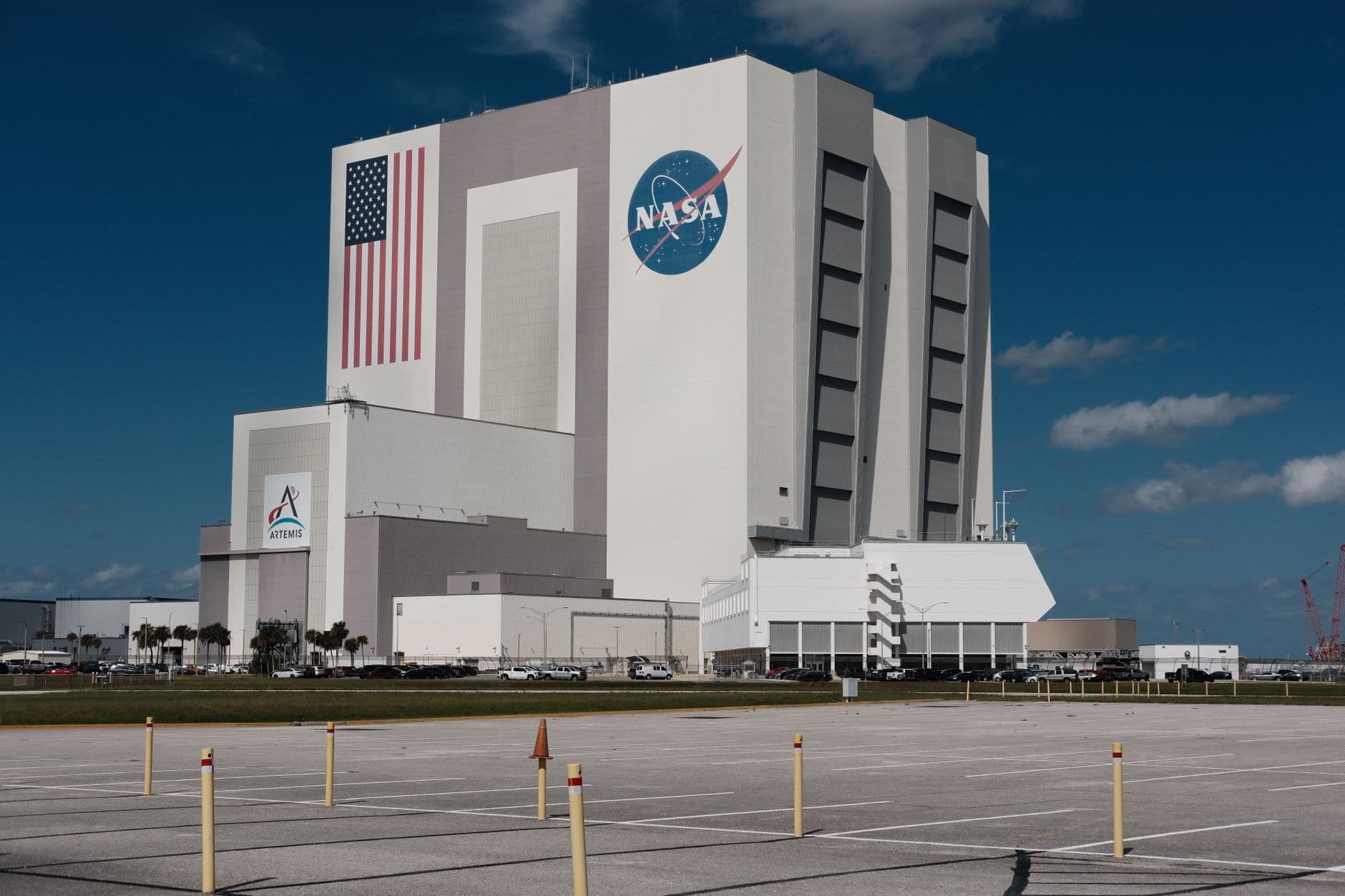
Now, as NASA prepares for the multi-billion-dollar Artemis missions aimed directly at the lunar south pole, the physics behind those sketches has stopped being a curio and started looking like a structural blind spot. The lunar terminator—the moving ribbon separating blinding day from sub-zero night—is not a passive shadow. It is an open-circuit engine.
The Engine That Runs on Sunlight and Darkness
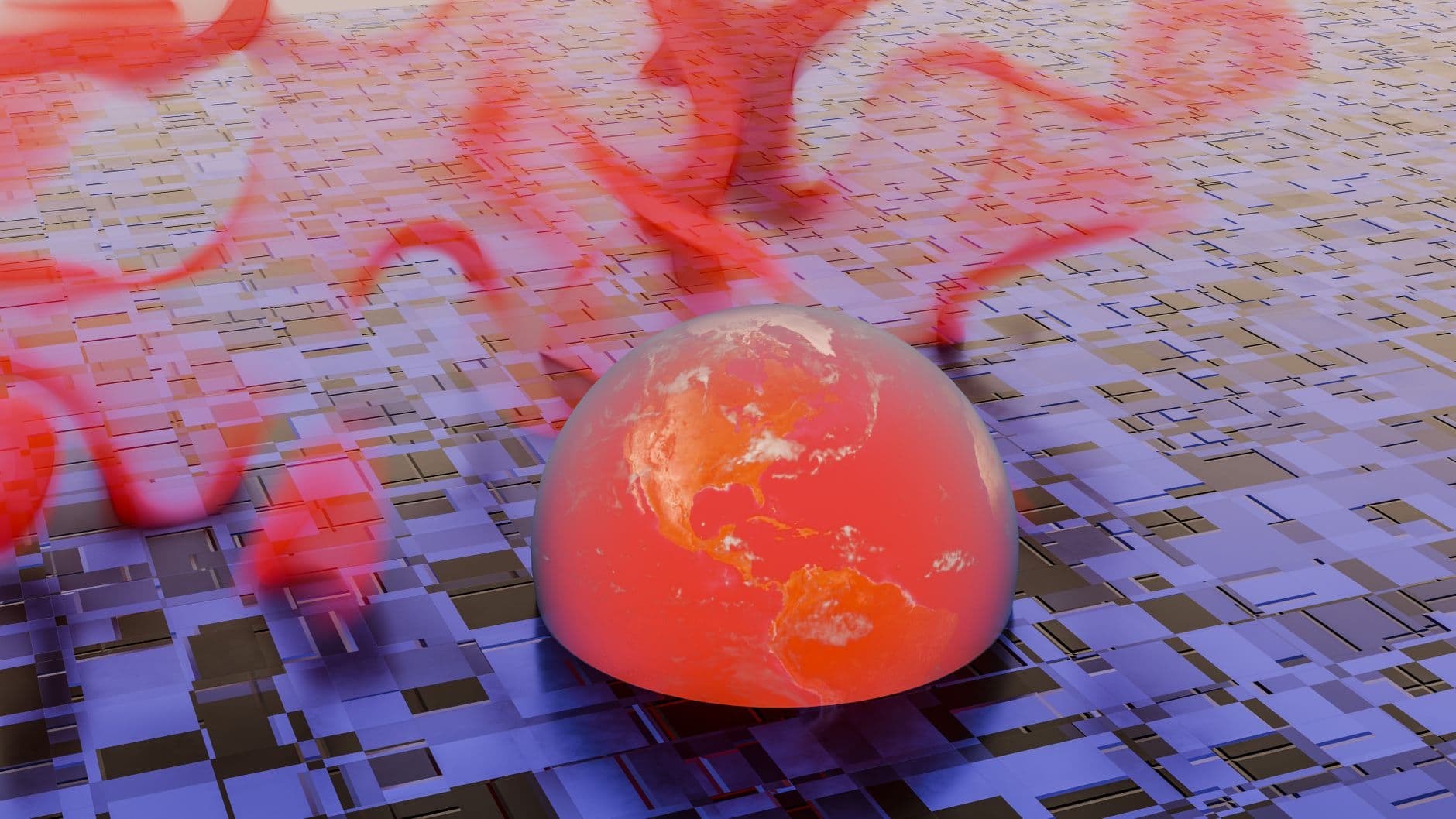
What happens when you drop an ungrounded ball of rock into the raw solar wind? On the sunlit side, harsh ultraviolet and X-ray photons strike the regolith and knock electrons loose via the photoelectric effect, leaving the surface with a persistent positive charge. On the nightside, cold, high-velocity plasma electrons from the solar wind wrap around the shadow, depositing a deep negative charge.
Right along the boundary, those two opposing regimes slam together across a corridor just a few kilometers wide. You get massive horizontal potential drops—sometimes thousands of volts per meter across jagged topography. The electric field does something wild: it rips microscopic, jagged glass shards directly out of the soil and lofts them into the sky.
- The sunlight strips electrons and charges the daytime soil positively.
- The solar wind shadow coats the nightside in negative charge.
- The boundary creates an intense lateral electric shear that hurls charged particles upward.
- The particles hover in mid-air balances between gravity and electrostatic repulsion.
Think about the weirdness of that mechanism for a second. We classify the Moon as a body without an atmosphere, which technically holds up if you measure atmospheric pressure with a traditional barometer. But dynamically, it behaves as if it has a dynamic, breathing weather system made entirely of shredded basalt and electric fields.
Geology Stopped Being Passive Rocks
Planetary geology has spent centuries looking downward. You look at craters, you measure basalt compositions, you date zircon crystals, and you infer a planet’s history by assuming the dirt stays where impacts drop it. That paradigm worked fine on Earth, where rain and biology wash away the subtleties.
On an airless world, the rules change entirely. If the ground can charge up and drift across miles over millions of years, our core timeline for the Moon's surface might be subtly warped. We might be looking at crater floors filled not by volcanic settling, but by slow, electrostatic silt pools drifting into shadows.
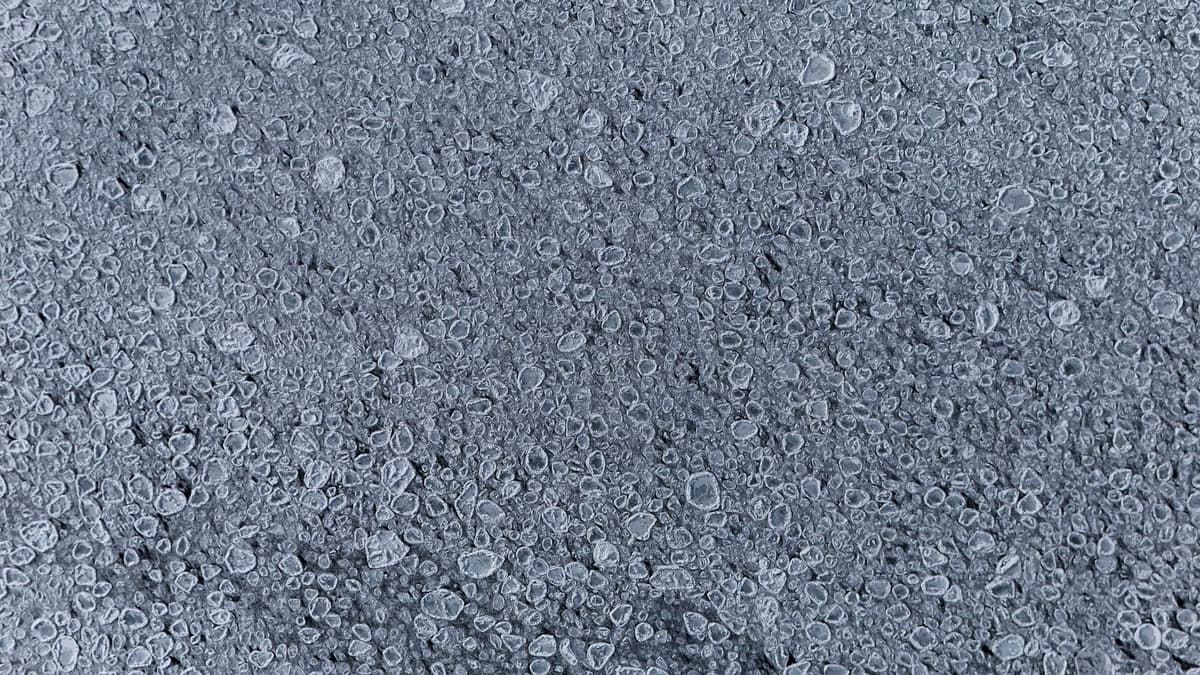
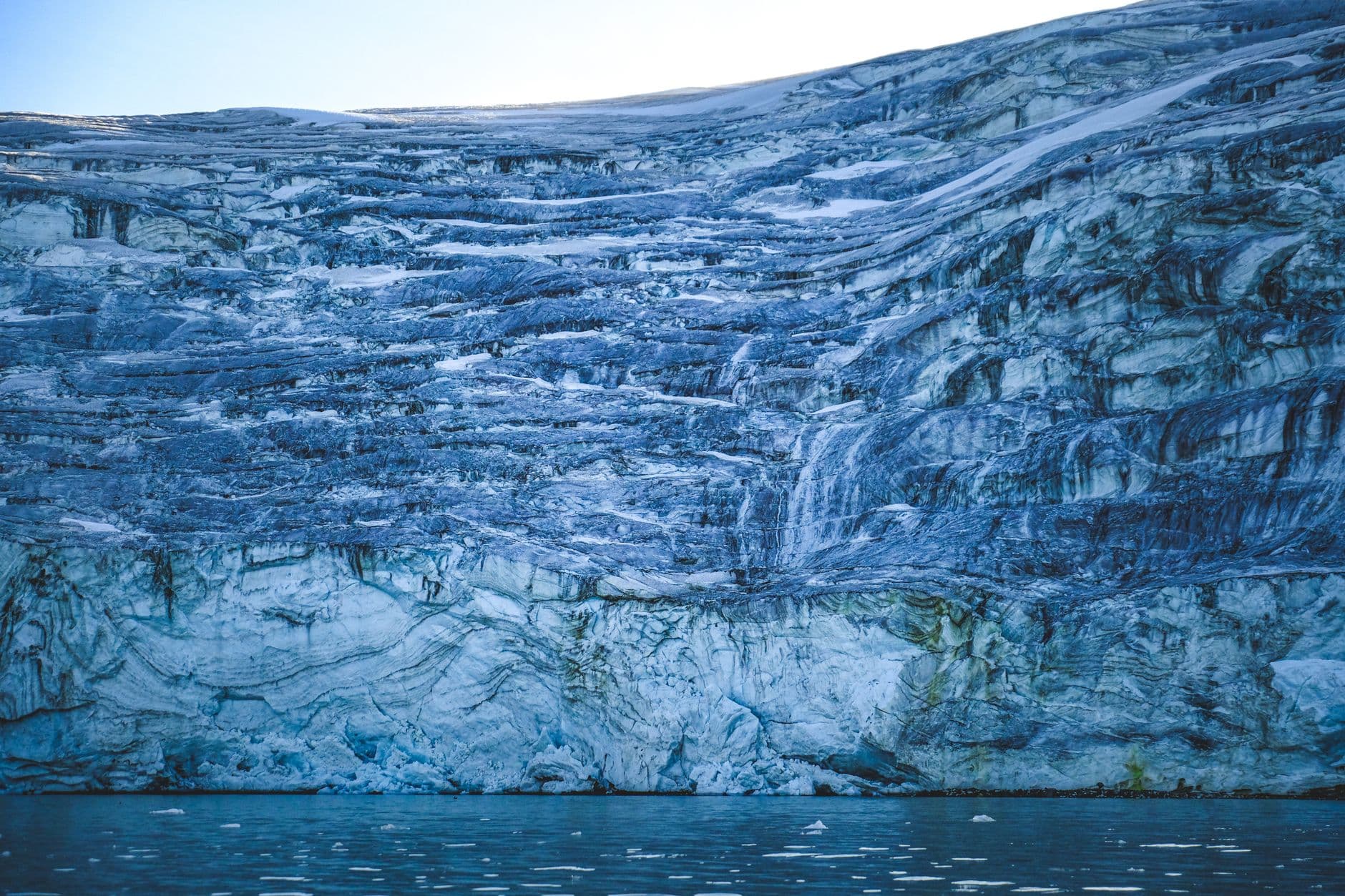
Photo by Efrem Efre on Pexels
Recent lab experiments simulating the terminator have caught regolith micro-particles literally hopping sideways when an electron beam shears across an artificial crater edge. That turns lunar geology into a branch of plasma electrodynamics. It is no longer just rocks sitting in silence; it is an active circuit that breathes twice every lunar month.
How do you model an erosion process where the wind is not moving air, but moving voltage? We do not really know yet. We have mathematical models of plasma sheath dynamics, but throwing actual crushed dielectric dust into the equations turns the math into a nonlinear nightmare that supercomputers still sweat over.
The South Pole Complication
This is where curiosity collides head-on with engineering reality. Artemis is heading south because the south pole hosts permanently shadowed craters like Shackleton, where water ice has hidden for billions of years. But because the sun sits perpetually near the horizon at the poles, the terminator is not a brief event that sweeps past you every two weeks.
At the lunar south pole, the terminator is everywhere, all the time. Shadows stretch for dozens of miles across ridges. Sunlight skims peaks while crater floors sit in pitch blackness mere yards away. In other words, the lunar south pole is an infinite mosaic of microscopic day-night boundaries. The plasma shear is permanent.
Consider what that does to the gear we plan to leave there:
- Solar panels: Levitated sub-micron dust forms an electrostatic film over photovoltaic glass, cutting efficiency in days.
- Spacesuit seals: Lunar dust is not smooth river silt; it is unweathered volcanic glass with microscopic barbed edges that chew through Kevlar and rubber seals.
- Power habitats: Massive voltage differentials between a habitat sitting in the sun and an umbilical cord running into a dark crater could spark arc discharges through sensitive electronics.
We designed Apollo for short sprint missions across bright, equatorial plains at local noon. Artemis wants to build permanent infrastructure in an electrostatic lightning pit.
What This Actually Means
There is something humbling about finding out that the simplest, closest object in our sky operates on physical mechanisms we barely modeled before writing contracts to go back there. We tend to view space exploration as a logistics challenge—just a question of building enough thrust and shielding enough radiation. We forget that foreign environments do not negotiate with our assumptions.
The lunar terminator paradox reminds us that the line between two familiar things is often where the universe hides its most chaotic systems. Day makes sense. Night makes sense. It is the shearing seam between them that turns the Moon into an alien machine.
If we want to build cities or mining camps on other worlds, we have to stop thinking of dirt as passive floorboards. Out there, the floor is charged, it is sharp, and whenever the light changes, it gets up and moves toward you.
Quick Answers
Is the levitating dust dangerous to astronauts?
Yes, primarily because lunar regolith consists of jagged, un-eroded glass shards that shred lung tissue if inhaled and rapidly destroy the mechanical joints and pressure seals of spacesuits.
Why didn't Apollo astronauts get stranded by this?
Apollo missions landed exclusively on the sunlit equatorial plains during stable daylight conditions, completely avoiding the volatile plasma shearing zones found at the terminator and the poles.
Can't we just wipe the dust off solar panels?
Wiping abrasive, electrostatically clinging regolith scratches protective optical coatings instantly, meaning Artemis crews must develop active clearing systems like electron beams or electrostatic dust shields instead.