The Architecture We Inherited
For thirty years, we have basically lived in a world where computing was a binary choice between Intel’s x86 and ARM. It’s like living in a city where you can only build houses out of red brick or gray concrete because those are the only blueprints the local guild allows. We’ve become so accustomed to these instruction sets that we forget they carry baggage—decades of legacy code and design choices made when power efficiency was an afterthought compared to raw speed. Now, the Loongson 3A6000 arrives, built on the LoongArch architecture, and it feels like someone just discovered a completely new way to stack bricks.
What fascinates me isn't just that it works, but that it works well. Early benchmarks show this domestic Chinese chip hitting IPC (instructions per cycle) parity with 10th or 11th Gen Intel chips. That sounds like playing catch-up until you realize they did it without using a single line of Western-licensed code. It makes me wonder: how much of our current energy crisis in data centers is simply because we’re too stubborn to abandon the old blueprints? If you can build a competitive processor from scratch in 2024, what else have we assumed was 'settled science' in hardware?
The Efficiency of Starting Over
There is a specific kind of freedom in being forced out of a monopoly. When the U.S. restricted access to high-end silicon, the engineers behind Loongson didn't just copy the old homework; they seem to have optimized for a world where every watt of power is a liability. The LoongArch instruction set is remarkably lean. By stripping away the 'cruft' required to remain compatible with software from 1995, they’ve stumbled into a design that prioritizes throughput-per-watt in a way that feels modern, almost desperate, in its efficiency.
I keep thinking about the environmental math here. Data centers currently consume about 1% to 1.5% of global electricity, and that’s skyrocketing thanks to AI. If a 'sovereign' stack—one not beholden to the licensing fees or legacy bloat of x86—can shave even 15% off the cooling requirements of a server rack, the global implications are staggering. Is it possible that geopolitical tension is accidentally forcing the greatest leap in green computing we’ve seen in a generation? It’s a strange irony to consider that a drive for national independence might be the catalyst for a more sustainable planet.

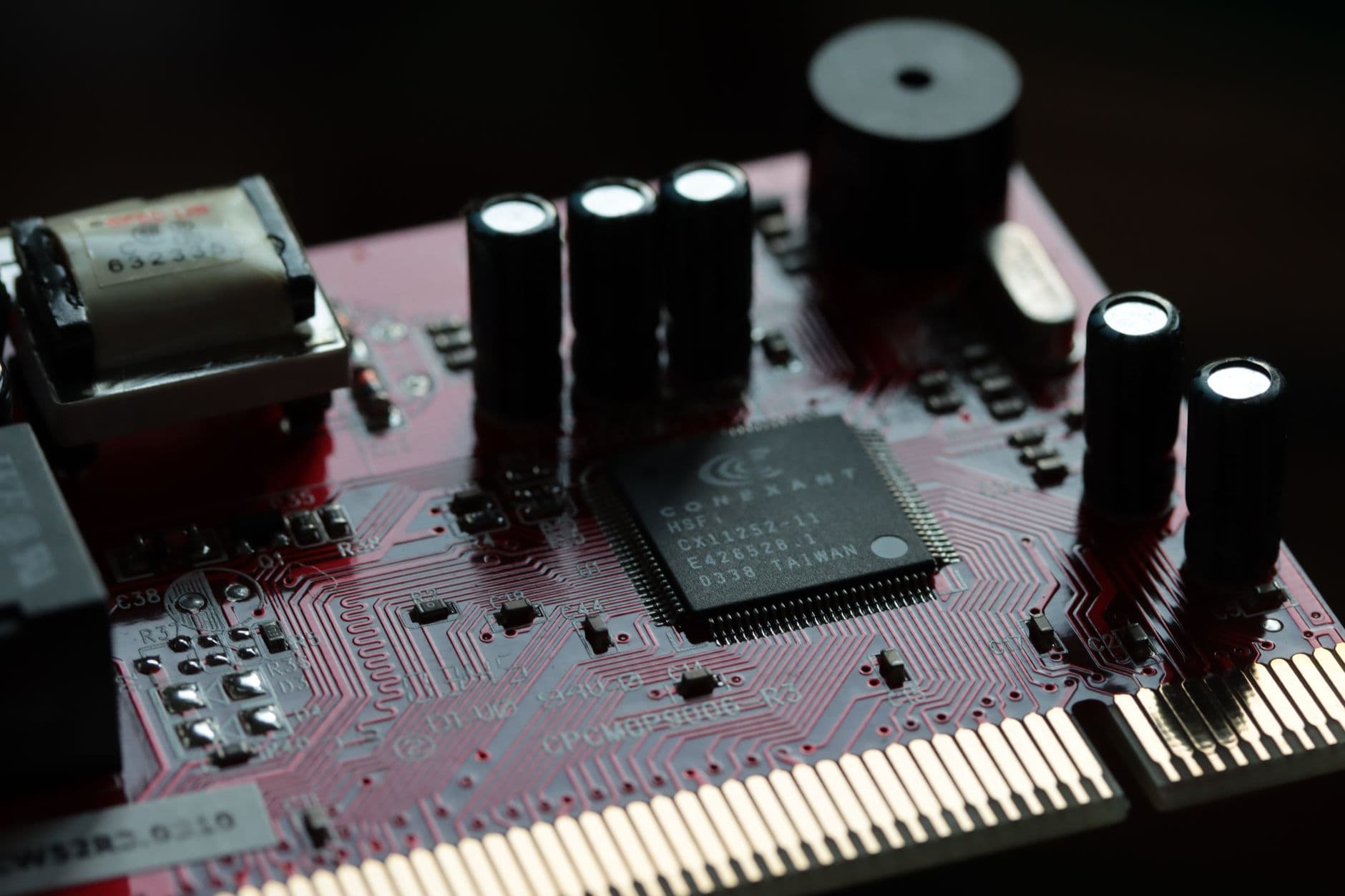
Photo by Marek Kupiec on Pexels
A Tale of Two Internets
If this trajectory continues, we aren't just looking at a different brand of CPU; we are looking at the balkanization of reality itself. Imagine two different clouds. One runs on the Western stack we know, heavy with legacy and massive power demands. The other runs on LoongArch or RISC-V, optimized for a different set of priorities. This 'Silicon Sovereignty' movement suggests a future where your hardware choice is a political and environmental statement. It’s not just China, either; India and the EU are both poking around at domestic RISC-V projects. We are watching the end of the 'Universal Computer.'
I find myself staring at my own laptop and wondering what’s actually happening inside the silicon. We’ve treated processors like mysterious black boxes for so long. But if the 3A6000 can match a Core i3 or i5 using a totally different 'language,' then the monopoly was never about superior tech—it was about momentum. Breaking that momentum is expensive and chaotic, but the view from the other side looks unexpectedly clean. Are we ready for a world where 'compatible' is a relative term?
What This Actually Means
The rise of Loongson is a signal that the era of the 'black box' instruction set is dying. When a nation decides that it can no longer trust the foundational blueprints of its infrastructure, it builds something new, and 'new' in 2024 almost always means 'tighter.' We are seeing the birth of a parallel computing stack that doesn't care about being compatible with your old copy of Windows. It cares about surviving a world of limited energy and restricted trade.
This isn't just a story about a Chinese chip company. It’s a story about the end of the global monoculture in tech. We are moving toward a 'multipolar' silicon world where efficiency is the primary weapon of competition. If these sovereign architectures prove to be significantly greener than the old guard, the pressure on Western companies to stop iterating and start reinventing will be immense. The competition for the soul of the computer has officially restarted.
Quick Answers
Is Loongson actually faster than Intel?
In raw peak performance, no; it currently rivals mid-range chips from a few years ago, but its efficiency and instructions-per-clock are surprisingly competitive for a non-Western design.
Why does 'sovereign silicon' matter for the environment?
By ditching legacy code requirements from the 80s and 90s, these new architectures can be designed from the ground up to use less power for the same amount of work.
Will I be using a Loongson chip soon?
Probably not directly, unless you live in China, but their existence will likely force global giants like Intel and AMD to accelerate their own energy-efficiency innovations to stay relevant.