The Era of the Spoiled Soybeans
For decades, we have been parenting our crops like overbearing grandmothers who think 'starving' means only having three helpings of mashed potatoes. We operate on a 'yield-at-all-costs' model, which is basically the agricultural version of a frat house party: if one keg of nitrogen is good, seventeen kegs are better, and who cares if the neighbors (the fish in the Gulf of Mexico) are literally suffocating? We’ve been dumping synthetic fertilizer and fossil water onto fields with the reckless abandon of a toddler with a glitter glue stick, assuming the bill would never come due.
But the bill didn't just come; it’s standing on the porch with a baseball bat and a very unfriendly look. We are shifting toward the 'Agrarian Hard Cap,' a philosophy that tells the plants, "Listen, Kevin, you get exactly four gallons of water and a teaspoon of nitrogen this week. If you’re still thirsty, try manifesting some rain or maybe just coping." It’s the transition from an open bar to a strict per-diem, and the plants are absolutely not ready for the lifestyle change.
Historically, if a farmer saw a yellowing leaf, they hit it with enough chemicals to revive a Victorian ghost. Now, AI-driven precision tools are stepping in as the world's most annoying accountants. These systems don't care about the plant’s feelings; they see a hard budget for the season—say, a specific nitrate limit to prevent runoff—and they stick to it. It’s resource-first farming, and it turns out that when you stop treating soil like an infinite dumpster, things get interesting.
Your Corn is on a Budget Now
Imagine you’re at a fancy steakhouse, but instead of a waiter, there’s an AI drone hovering six inches from your face. Every time you reach for a breadstick, the drone calculates your cholesterol, the local wheat supply, and the atmospheric carbon cost of the butter. If you exceed your 'Hard Cap' for the evening, the drone tases your hand. That is essentially what we are doing to the American Midwest right now. We are moving away from the 'Vegas Buffet' style of agriculture toward something that looks more like a high-stakes game of Tetris played with molecules.
- Nitrogen is no longer 'free': In the old days, nitrogen runoff was just 'the smell of money.' Now, it’s a legal liability and a waste of cash.
- Aquifers are not magic wells: We’ve been sucking the Ogallala Aquifer dry like a giant Capri Sun, and we’re starting to hit that annoying slurping sound at the bottom of the pouch.
- AI is the New Sheriff: Satellites and soil sensors are basically the IRS of the dirt, auditing every single square inch to make sure no one is over-consuming.
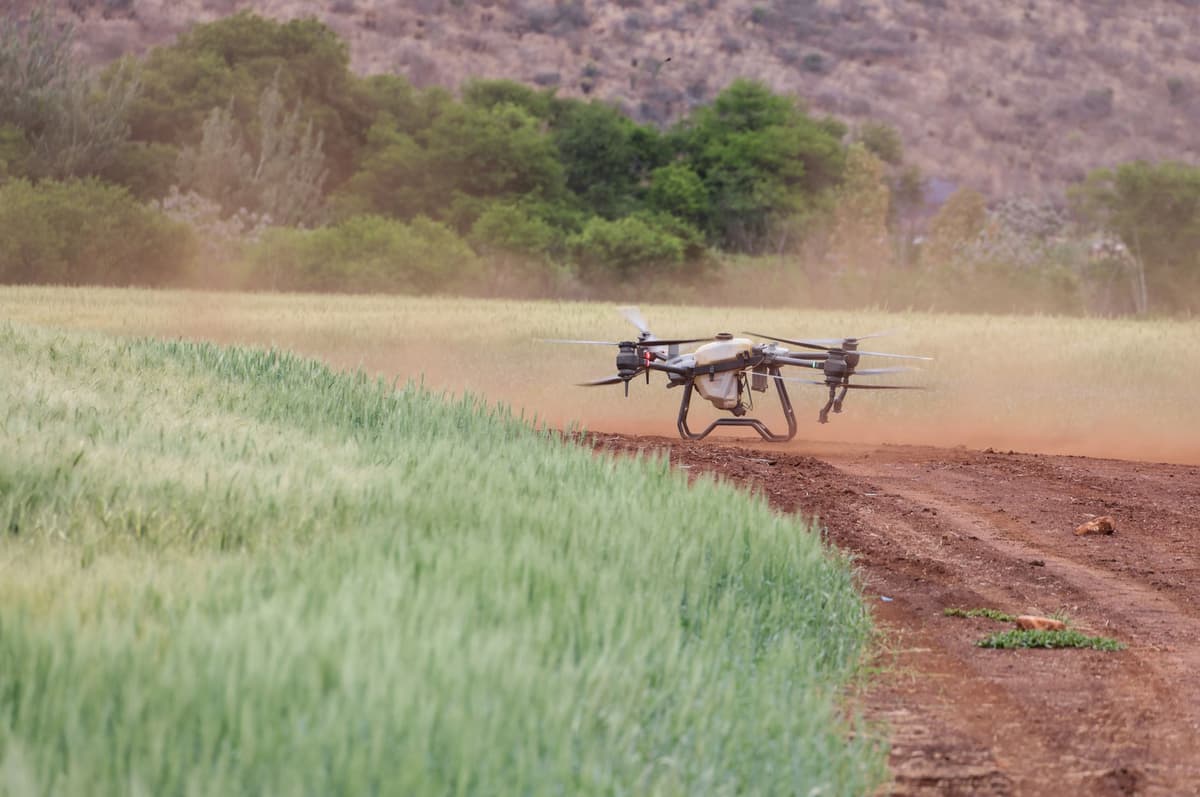
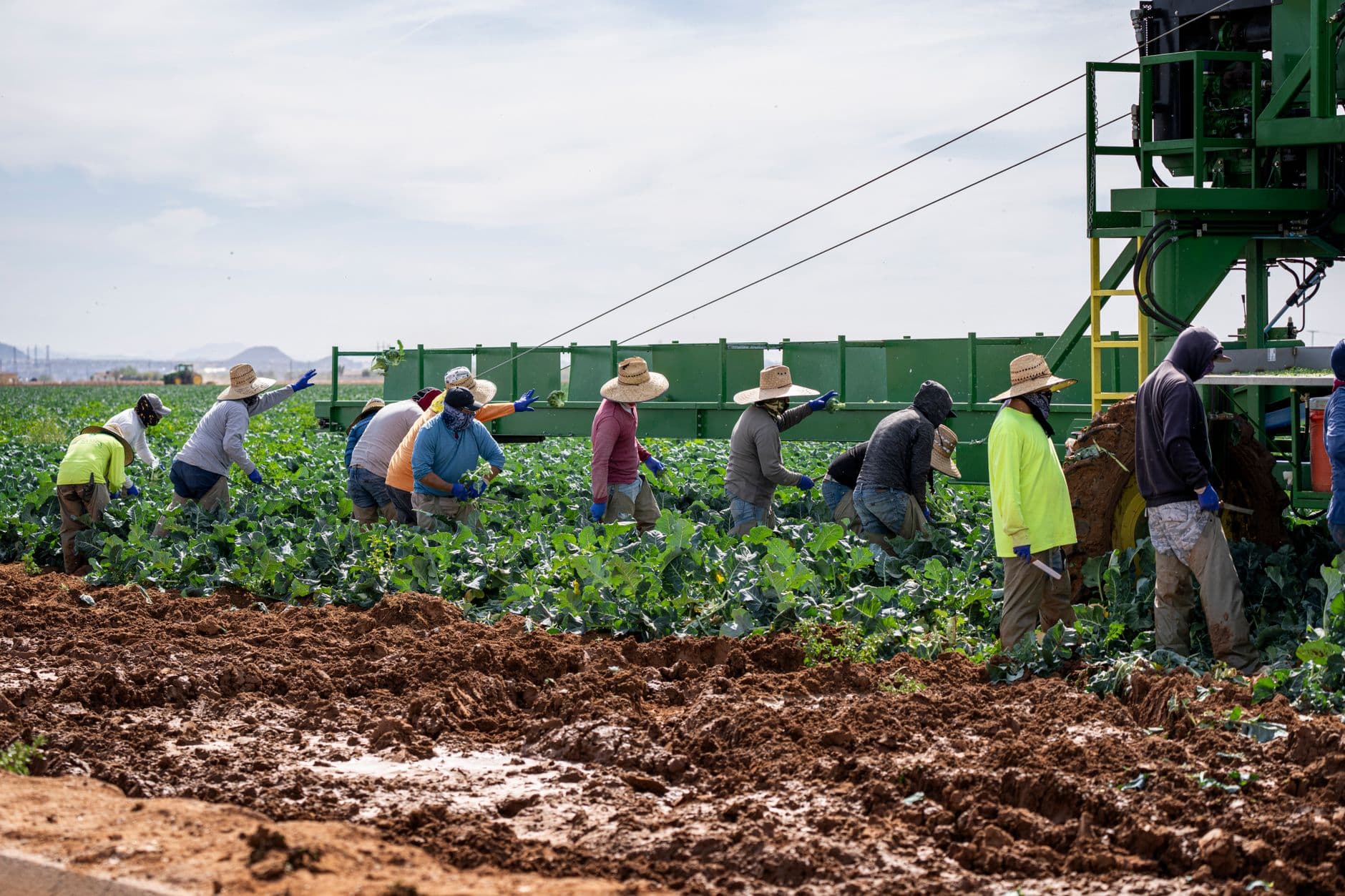
Photo by Magda Ehlers on Pexels
The irony is that precision agriculture was supposed to be about more. More yield! More efficiency! More tech! Instead, it’s becoming the ultimate tool for less. It’s a digital bouncer at the club, checking the ID of every nitrogen molecule and saying, "Not today, pal, you’re not on the list." We’re forcing crops to grow within unyielding limits, effectively putting the entire planet on a resource-restricted intermittent fasting plan.
The Great Fertilizer Intervention
We have a serious problem with input addiction. If you look at the stats, between 1960 and 2015, global nitrogen fertilizer use increased ninefold. Ninefold! That’s like if you used to drink one coffee a day and now you’re vibrating through walls on nine pots of espresso. We’ve reached the point of diminishing returns where adding more fertilizer doesn't even make the plants grow faster; it just makes the weeds more aggressive and the river water more flammable.
The 'Agrarian Hard Cap' is the intervention we didn't want but desperately needed. It’s the realization that if we keep 'over-feeding' the soil, we won’t have any soil left to feed. By 2050, we have to feed 10 billion people, and we have to do it without turning the remaining fresh water into a toxic sludge that smells like a chemistry set left in the sun. This shift isn't about being 'nice' to the environment; it’s about the fact that we’ve run out of quarters to put in the machine.
Precision tools are now so granular they can target an individual weed with a laser or drop a single micro-dose of water onto a specific root. It’s like the difference between watering your lawn with a fire hose and giving each blade of grass a personalized IV drip. This 'Resource-First' mentality means the yield is no longer the primary metric of success. The primary metric is 'How much did you not ruin while growing this?' It’s a vibe shift of tectonic proportions.
What This Actually Means
This shift to a Hard Budget model means the era of cheap, lazy calories is hitting a wall. We can’t just throw chemicals at a problem until it disappears. We have to be smart, which is unfortunate because being smart is way harder than just buying a bigger tractor. Farmers are becoming data scientists who happen to wear flannel, and their primary job is no longer 'growing food' but 'managing a finite chemical ledger.'
Ultimately, the Agrarian Hard Cap is going to change what’s on your plate. If a crop is too 'expensive' in terms of water or nitrogen budget, it’s going to disappear from the menu or become a luxury item. We’re going to see a massive push for crops that can thrive on 'starvation' diets—the overachievers of the plant world that don't need a constant IV drip of synthetic nutrients. It’s the rise of the Scrappy Veggie.
In the end, we’re teaching nature to live within its means again. It’s a painful, awkward transition, like watching a trust-fund kid try to figure out how a laundromat works. But once the AI-managed hard caps become the industry standard, we might actually stop poisoning our own drinking water. And honestly? That’s a pretty good yield, even if the corn has to learn to be a little less high-maintenance.
Quick Answers
Is my food going to get more expensive?
Probably, but mostly because we’re finally paying the 'don't ruin the planet' tax that we’ve been dodging since 1945. Think of it as a subscription fee for a livable biosphere.
Do the plants hate this?
Plants don't have feelings, but if they did, they’d probably be annoyed that their unlimited data plan just got throttled to 2G speeds. They’ll survive, they’ll just have to work for it.
Can't we just find more water?
Unless you’ve discovered a way to turn salt water into fresh water using nothing but hopes and dreams, no. We are currently using water that fell as rain when mammoths were still a thing—once it’s gone, it’s gone.