The Arithmetic of an Atrocity
Forty whacks for the stepmother and forty-one for the father. The math in the rhyme is wrong—Abby Borden took 19 hits and Andrew took 11—but the precision of the cruelty is what sticks. It is genuinely baffling that a society so obsessed with the 'fragile' nature of Victorian womanhood could look at a scene of such visceral, heavy-metal violence and decide it was best processed through playground songs. We are fascinated by the violation of the script. When a man commits a crime in 1892, it is a Tuesday; when a woman does it, especially one who taught Sunday school and belonged to the Women’s Christian Temperance Union, it is a glitch in the simulation of civilization.
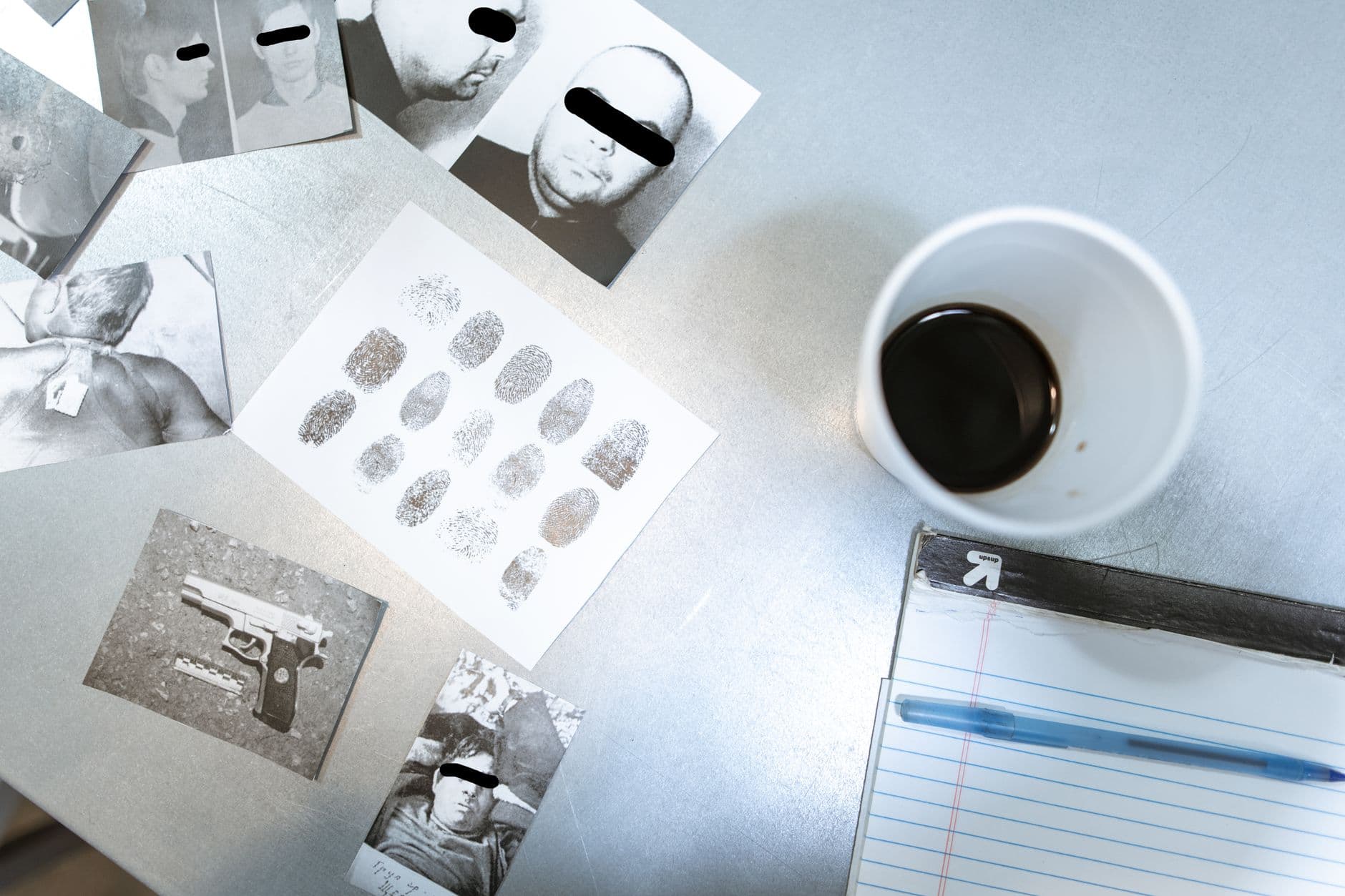
I find myself staring at the photos of that house in Fall River and wondering what it felt like the day after the acquittal. Lizzie stayed in town. She bought a mansion she called 'Maplecroft.' She lived there for 30 more years while the neighbors whispered and the kids sang that song outside her gate. There is a specific kind of bravery, or perhaps a chilling lack of empathy, required to stay in the zip code where everyone believes you hacked your parents to death. We keep coming back to her because she represents the ultimate 'unreadable' protagonist. Was she a victim of a stifling patriarchal household who finally snapped, or a cold-blooded tactician who knew exactly how to use her gender as a shield?
The Ghost in the Gift Shop
You can pay about $250 a night to sleep in the room where Abby Borden died. I’ve looked at the booking calendar; it’s almost always full. This is the 'Victorian Hybristophilia' paradox at its peak. We claim to be horrified by the violation of domestic sanctity, yet we are more than willing to pay for the privilege of proximity to it. Why do we need to touch the walls? There is a strange human impulse to colonize the site of a tragedy with our own presence, as if by standing where the ax fell, we might finally understand the 'why' that the 1893 jury couldn't pin down.
Photo by Vika Glitter on Pexels
This isn't just about Lizzie. We do this with every female figure who cracks the mold of expected gentleness. We turn them into camp icons. We give them 'good for her' narratives on TikTok. We aestheticize the bloodstains until they look like art. It feels like a coping mechanism for a world that still doesn't know what to do with female rage. If we make it a ghost story, we don't have to deal with the reality of the person. If we make it a musical or a Lifetime movie, we can tuck the horror safely behind a velvet curtain of performance.
Reframing the Monstrous Feminine
Every generation gets the Lizzie Borden it deserves. In the 1890s, she was the 'helpless maiden' who couldn't possibly have swung a heavy hatchet without getting a drop of blood on her dress. In the 1970s, she became a feminist folk hero, a woman striking back against the claustrophobia of the Victorian home. Today, she’s a true crime brand. I wonder if our obsession says more about our own boredom than her guilt. We are bored by the predictable, and nothing is more unpredictable than the 'Angel of the House' picking up a weapon.
- The trial lasted 13 days and became one of the first true media circuses in American history.
- No blood-stained clothing was ever found, despite the police searching the house within hours.
- Lizzie burned a blue corduroy dress in the kitchen stove three days after the murders, claiming it was stained with 'brown paint.'
There is a specific detail that haunts me: the mutton. The Borden household had been eating cold mutton for days in the August heat. Everyone was sick. The house was stifling, the food was rancid, and the tension was thick enough to cut. When you look at the mundane misery of their daily lives, the violence starts to feel less like a mystery and more like an inevitability. We focus on the ax because the ax is exciting, but the cold mutton is the real horror story. It’s the small, grinding irritations of a life lived in a box.
What This Actually Means
Our obsession with Lizzie Borden isn't about justice; it's about the thrill of the impossible. We are biologically wired to find patterns, and a Victorian lady committing a frenzied hatchet murder is a pattern break of the highest order. By turning her into a caricature, we protect ourselves from the uncomfortable truth that 'monsters' don't always look like monsters. Sometimes they look like the woman sitting next to you in the church pew, calmly adjusting her hat while she thinks about the weight of a tool from the cellar.
We keep the myth alive because we aren't done asking the question. We don't actually want an answer, though. If a DNA test somehow proved her innocence or guilt tomorrow, the gift shops would close and the songs would stop. We need the ambiguity. We need Lizzie to be both the victim and the villain because that duality is the only thing that reflects the complexity of human nature back at us. She is the screen we project our fears onto, and as long as we have fears about what happens behind closed doors, she will never truly go away.
Quick Answers
Was Lizzie Borden actually guilty?
Legally, no—she was acquitted by a jury of her peers in 1893. Historically and circumstantially, the evidence is overwhelming, but the lack of physical proof like a murder weapon or bloody clothes makes it the ultimate 'cold case.'
Why is she more famous than male serial killers?
Because she violated the 'sacred' role of the daughter and the Victorian woman. A man killing for money or rage was a known quantity; a Sunday school teacher killing her parents with an ax was an incomprehensible breach of the social contract.
Can you actually visit the house today?
Yes, it operates as the Lizzie Borden House (a bed and breakfast and museum) in Fall River, Massachusetts. You can take tours, participate in ghost hunts, or even sleep in the specific rooms where the murders occurred.