The Cloud Is Actually Just Someone Else’s Basement
For the last decade, the agricultural sector has been hallucinating. We were told that the future of feeding eight billion people involved sending every single data point—every soil moisture reading, every nitrogen level, every stray thought from a lonely cow—up to a magical cloud. This cloud would then process the data using billions of dollars of infrastructure and send a message back to a valve three feet away from the sensor. It was a beautiful, hyper-efficient loop, provided you didn't mind the fact that most rural farms have the internet connectivity of a damp piece of string.
Enter the 'Durable Pi' and the sudden, breathless realization that 'Edge Agronomy' is a fancy word for 'having a computer on site.' We are witnessing a massive technological retreat disguised as a revolution. After spending billions trying to make the world a giant Ethernet port, we’ve decided that maybe—just maybe—the hardware should actually be able to survive a light breeze and a bit of dirt without needing a fiber-optic umbilical cord to Silicon Valley.
Ruggedized Is Just Marketing For Not Breaking
The Raspberry Pi was originally designed to help British school children learn to code, but it has now been drafted into the war against global hunger because it costs $50 and doesn't complain. The 'Durable Pi' movement is essentially engineers putting these tiny boards into waterproof boxes and acting like they’ve discovered fire. It’s a bold new era where we celebrate the fact that a computer can exist in the same zip code as a potato.
- Local AI models are being trained to recognize weeds without asking a server in Dublin for permission.
- Irrigation systems are learning to shut off when it rains, even if the Wi-Fi is down.
- Soil sensors are finally stopping their desperate, battery-draining search for a 5G signal that was never coming.
We’ve reached the point where 'offline' is a premium feature. It’s a masterful bit of rebranding. We spent twenty years making everything fragile and interconnected, and now we’re selling 'resilience' as the hot new upgrade. If you want a device that actually works when the power goes out, you’re now a pioneer of the 'Edge.' Congratulations on your bravery.
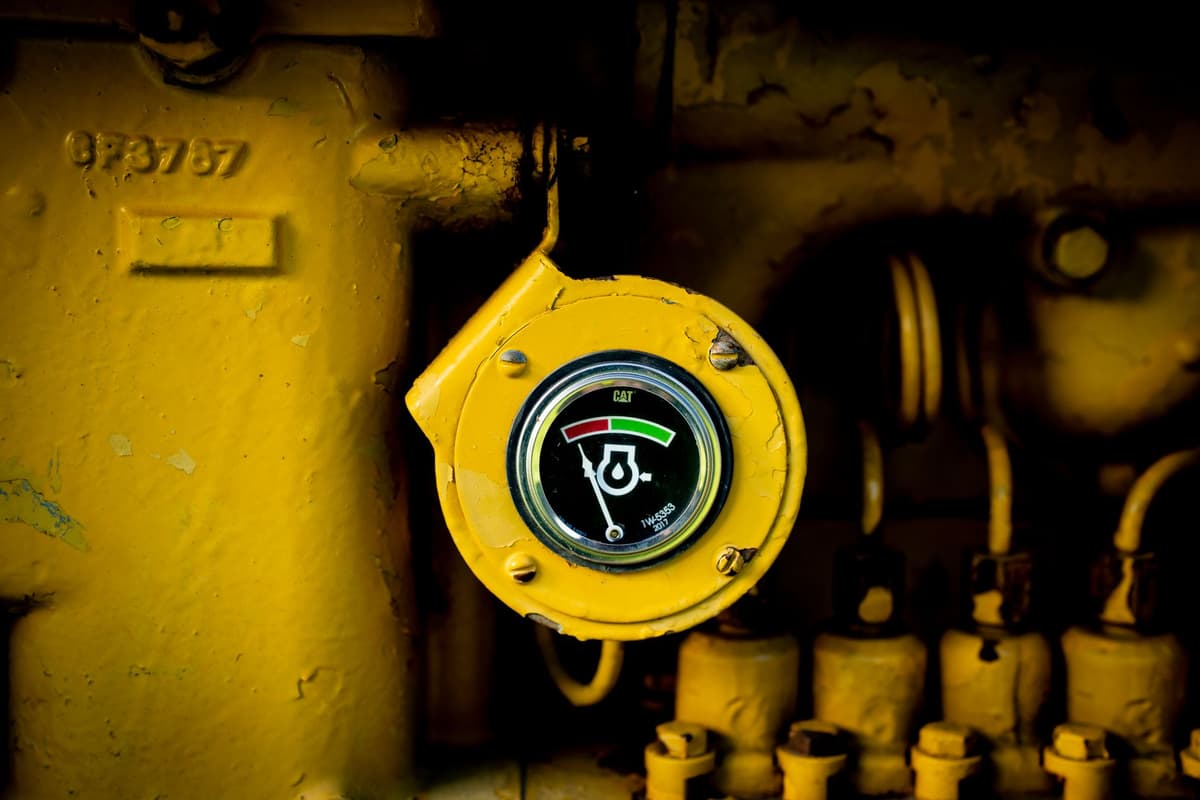
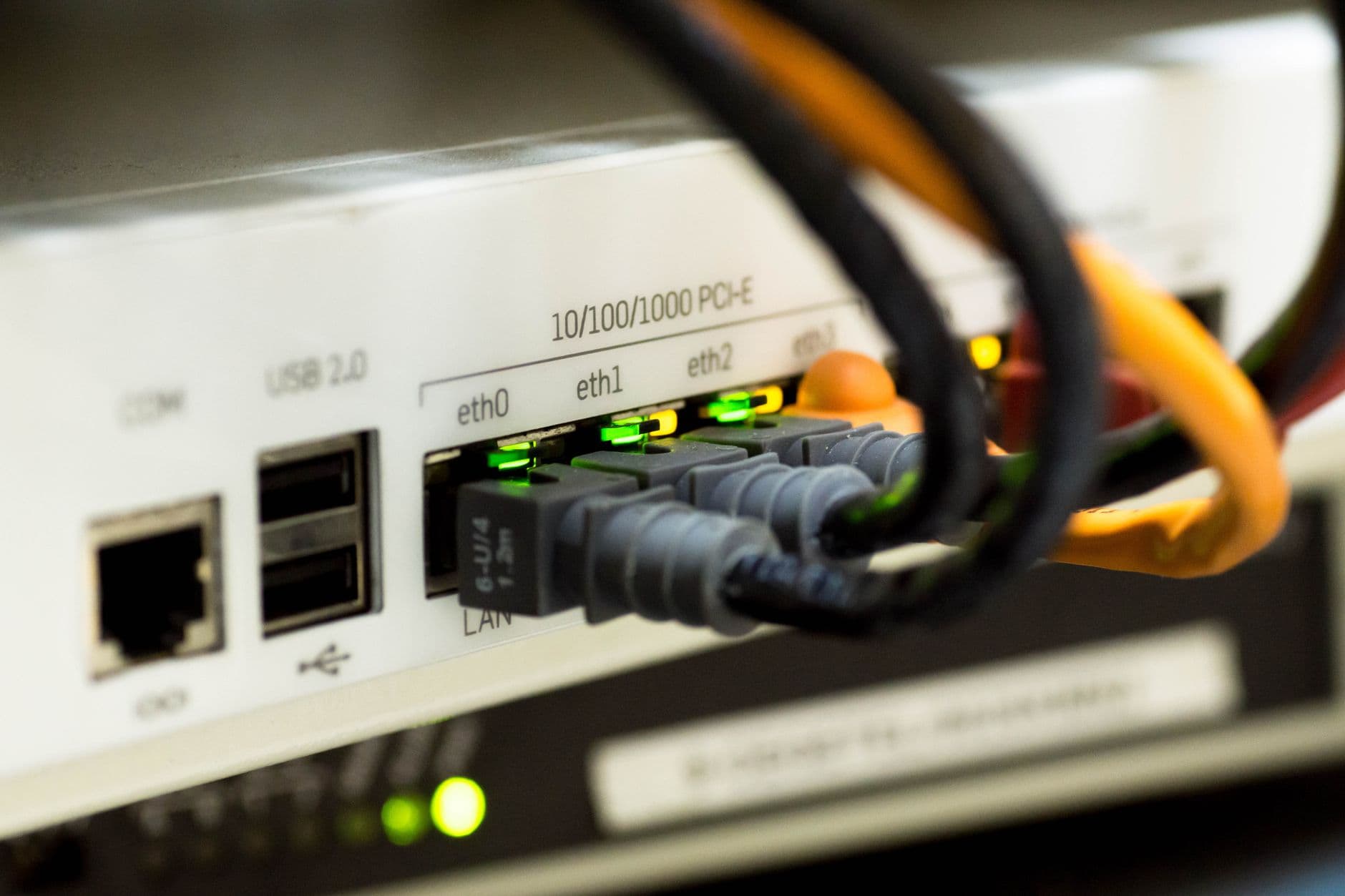
Photo by frank minjarez on Pexels
The Irony Of Low-Power Progress
There is something deeply satisfying about the fact that our most advanced agricultural AI is being forced to live on hardware that has less processing power than a high-end toaster. This constraint is actually the best thing to happen to software in years. When you have infinite cloud resources, you write bloated, lazy code. When you’re running on a ruggedized Pi powered by a small solar panel and a prayer, you actually have to be efficient.
We are seeing a return to 'Thin AI.' These are models that don't try to simulate the entire universe; they just try to figure out if a leaf has fungus. It’s a refreshing change from the tech industry’s usual 'more is more' philosophy. By stripping away the need for constant connectivity, we’re accidentally making systems that are actually reliable. It’s a shame it took us this long to realize that a farm is not a climate-controlled data center in Santa Clara.
On July 12, 2023, a major cloud provider outage left thousands of 'smart' devices useless for hours. On a farm, that’s not a minor inconvenience; it’s a dead crop. The move toward 'Durable' hardware is a quiet admission that the tech industry’s obsession with centralized control was a catastrophic mismatch for the physical world. We are finally building tools for the world we live in, rather than the world investors wish we lived in.
What This Actually Means
The rise of Edge Agronomy means we are finally stopping the charade of 'Digital Transformation' and starting to build actual tools. It means that the next generation of farmers won't be IT managers overseeing a fleet of fragile sensors, but people using localized intelligence to make real-time decisions. The 'Durable Pi' isn't just a piece of hardware; it's a white flag from the people who thought the internet was a basic law of physics.
We are going to see more 'dumb' smart tech. Devices that do one thing well, locally, without talking to anyone else. It’s a lonely existence for a computer, but at least it will actually get the job done when the clouds—both literal and metaphorical—roll in. The future of food apparently depends on us making our technology as boring and sturdy as a shovel.
Eventually, we might even reach the pinnacle of human achievement: a machine that doesn't need a firmware update to plant a seed. But let’s not get ahead of ourselves. For now, we’ll just settle for a computer that can survive a cow bumping into it.
Quick Answers
Why can't we just use the cloud for farming?
Because the cloud requires an internet connection, and most farms are located in places where 'high-speed' is a relative term involving a tractor's top speed.
Is a 'Durable Pi' just a Raspberry Pi in a sturdy box?
Mostly, yes, but calling it 'Edge Agronomy Hardware' allows companies to add a zero to the price tag while making it sound like space-age technology.
Will this make food cheaper?
Probably not, but it will make it much less likely that a server crash in Virginia causes a cabbage shortage in Oregon.