The Invisible Skeleton of Global Calories
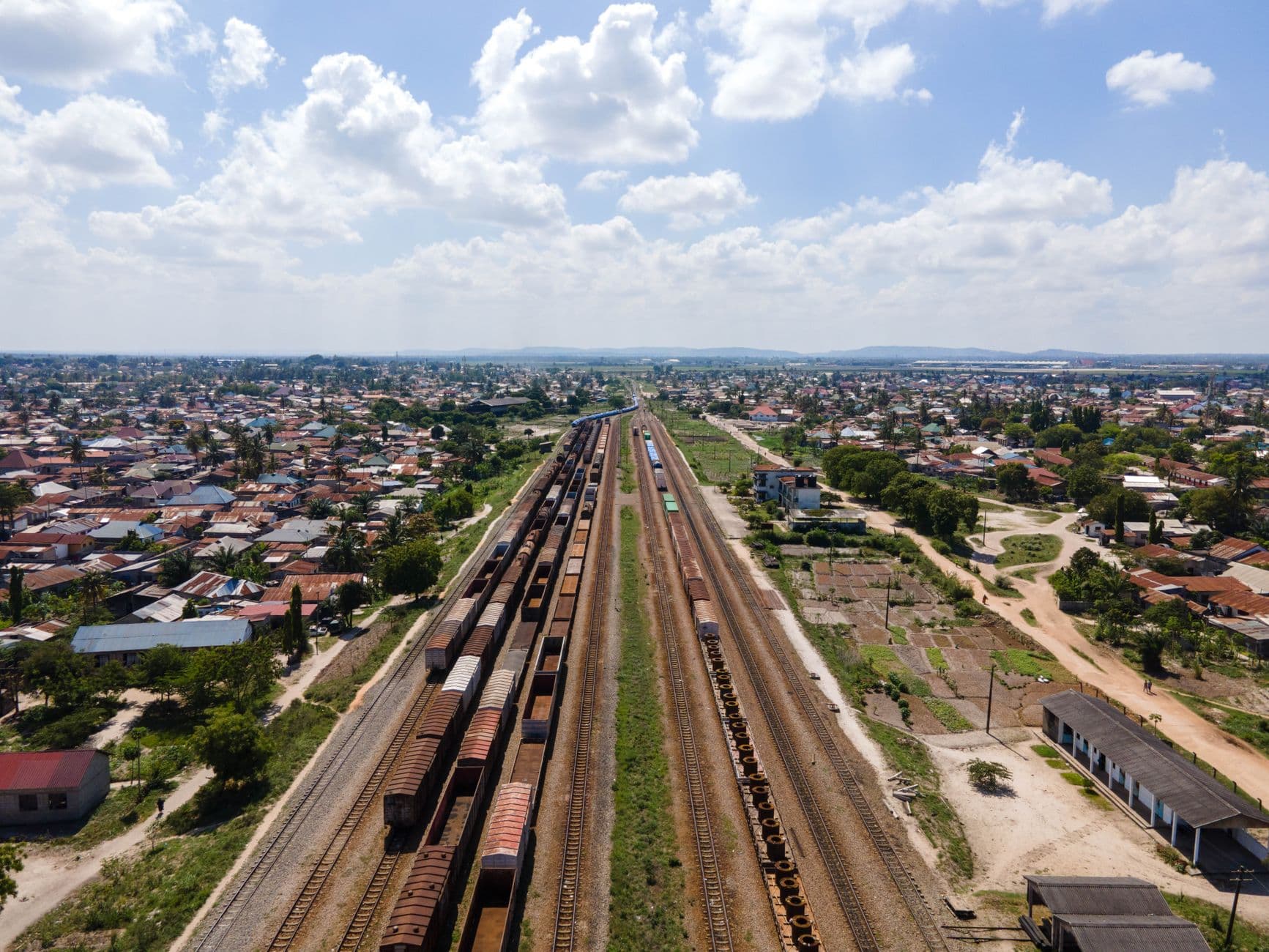
We talk about the future of food in terms of lab-grown proteins and vertical farming, but the actual machinery of human survival is stuck in 1984. The global grain supply chain—the literal movement of wheat, corn, and soy from silos to processing plants—is governed by industrial control systems that predated the public internet. These are not just old computers; they are fossilized bottlenecks. When a grain elevator in the Midwest or a flour mill in Eastern Europe relies on a 286 processor to manage thousands of tons of volatile inventory, we aren't looking at a vintage curiosity. We are looking at a single point of failure for the global breadbasket.
This is the reality of digital fragility. We have spent three decades optimizing the software layers of the food industry—the trading platforms, the GPS-guided tractors, and the retail logistics—while ignoring the physical hardware that actually moves the product. The industry refers to this as 'proven technology,' a euphemistic shield for the fact that upgrading these systems is too expensive, too disruptive, or simply too terrifying to attempt. It is a gamble that the hardware will simply never stop working.
The Extinction of Technical Literacy
The crisis is not merely mechanical; it is demographic. The engineers who designed, installed, and maintained these MS-DOS based PLC (Programmable Logic Controller) systems are retiring or dying. We are rapidly approaching a hard wall where the collective knowledge required to troubleshoot a system crash in a critical milling facility will no longer exist. This is a form of technological dark age where the tools are still functional, but the spells required to keep them running have been forgotten.
Modern IT graduates are trained in cloud architecture, Python, and cybersecurity. They are not trained to source a specific 5.25-inch floppy disk or to navigate the idiosyncratic command-line quirks of a system that hasn't seen a patch since the Reagan administration. When these systems fail—and they do—the solution isn't a software update. It is a frantic search through eBay for refurbished parts from a decade-old stockpile, followed by a prayer that the internal battery hasn't leaked acid onto the motherboard. This is no way to manage the nutrition of eight billion people.
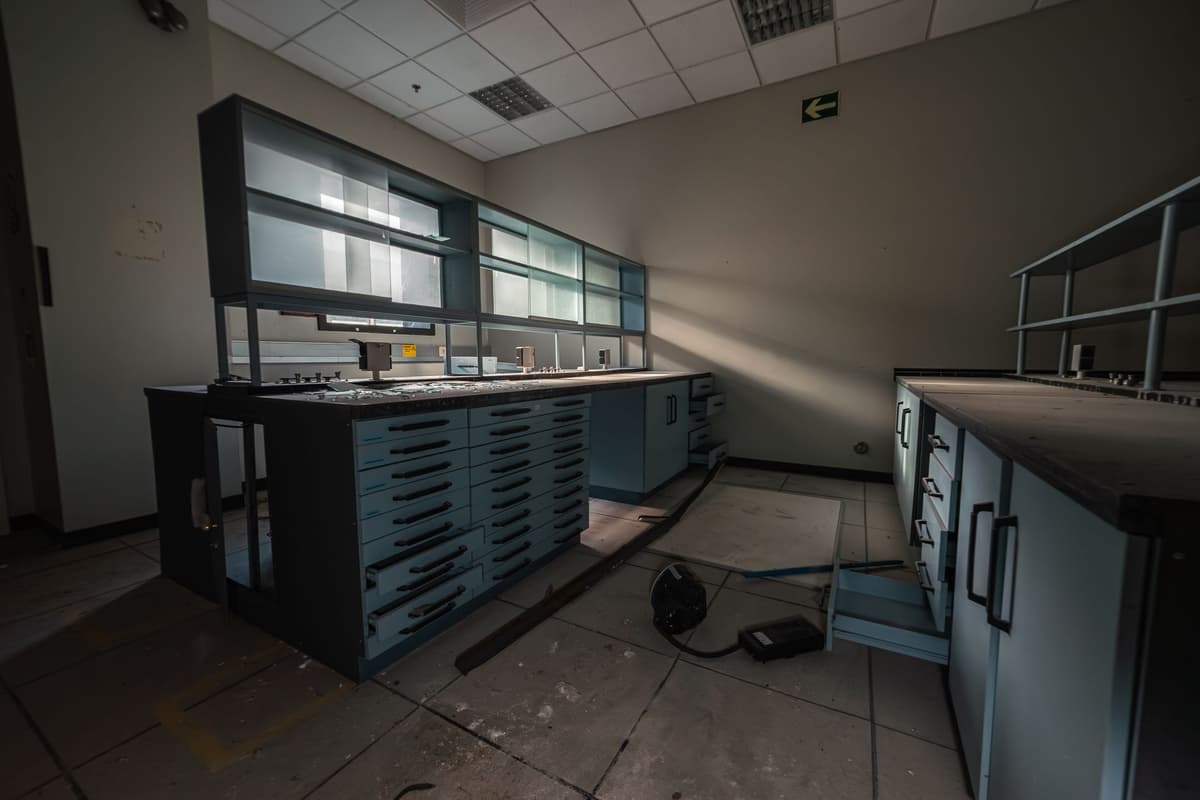
Photo by Alejandro De Roa on Pexels
Air-Gapped Security Is a Dangerous Myth
There is a common argument within the agricultural sector that these legacy systems are actually safer because they are air-gapped. The logic suggests that if a machine isn't connected to the internet, it cannot be hacked. This is a catastrophic misunderstanding of risk. While these systems may be immune to a remote ransomware attack from a state actor, they are uniquely vulnerable to physical decay and the total absence of a supply chain for replacements. A system that cannot be breached but also cannot be repaired is a liability, not an asset.
Furthermore, the 'air-gap' is often a fiction maintained for insurance purposes. To extract data for modern accounting or logistics, many facilities use makeshift bridges—unsecured laptops or USB drives—to pull numbers off the legacy machines. This creates the worst of both worlds: the vulnerability of modern malware combined with the total inability of the legacy hardware to defend itself or recover from a corrupted file. We have traded systemic resilience for a false sense of isolation.
What This Actually Means
The 'Digital Fragility' of our food supply means that a global hunger crisis could be triggered not by a crop failure or a war, but by a hardware failure in a dozen key processing hubs. We are operating on a 'just-in-time' delivery model that assumes the physical infrastructure is a constant. It is not. If a critical mass of these legacy systems fails simultaneously—perhaps due to a shared component reaching its natural end-of-life—the resulting bottleneck would be catastrophic. We cannot move grain without the controllers that operate the gates, the scales, and the dryers.
Solving this requires a massive, coordinated capital expenditure that the private sector has been unwilling to swallow. It requires a realization that food security is national security, and that national security cannot be outsourced to a 40-year-old motherboard. We need to treat the modernization of the agricultural middle-mile with the same urgency we treat the transition to renewable energy. If the foundation fails, it doesn't matter how advanced the rest of the house looks.
Quick Answers
Is it really that common for food plants to use DOS?
Yes; a significant percentage of grain elevators and milling facilities built between 1980 and 1995 still use original hardware because the cost of downtime for an upgrade is viewed as prohibitive.
Can't we just emulate these old systems on new hardware?
Emulation is possible but risky in industrial settings where timing-critical sensors and physical relays must interact perfectly with the software; a millisecond of lag can cause a physical disaster.
Why haven't these companies upgraded already?
Upgrading a major facility can cost millions and require weeks of total shutdown, which many companies refuse to do as long as the old machine still turns on.