From Crowd Control to Cabbage Patches
It is fascinating to watch technology drift. We spent billions of dollars and millions of engineering hours perfecting the art of "Invasive Vision"—miniature cameras and edge-computing models designed to sit on a human bridge of a nose and identify every face in a room. Now, that same hardware is being stripped down and shoved into the climate-controlled racks of vertical farms. It turns out that the algorithmic infrastructure required to tell two humans apart in a crowd is exactly what you need to spot a single spider mite on the underside of a kale leaf.
I wonder if the engineers at Meta or the startups building "ZuckOff" counter-surveillance gear ever imagined their work would end up as the front line of food security. We are seeing a massive pivot where the "optical pest" isn't a stalker or a data-broker, but a literal pest. By repurposing these real-time vision models, indoor agriculture is moving away from the era of the "chemical blanket" and toward something much more surgical and, frankly, a bit eerie.
The Millisecond Decision Matrix
Traditional farming is a game of averages. If you find a bug on one plant, you spray the whole acre. It is a blunt instrument approach that dates back decades. But when you deploy a miniature edge vision model—the kind that processes images locally without needing a massive server rack—the math changes. These sensors are now capable of plant-by-plant algorithmic detection in under 50 milliseconds.
What does that actually look like in practice? Imagine a robotic gantry moving through a 30-foot tall stack of lettuce. It isn't just looking; it is analyzing. It sees a discoloration that is 0.5 millimeters wide. It compares that pattern against a library of thousands of fungal and insect signatures. Instead of drenching the facility in pesticides, a tiny localized dose of organic treatment or even a targeted laser strike can neutralize the threat before it spreads. This isn't just efficiency; it's a fundamental shift in how we interact with biology.
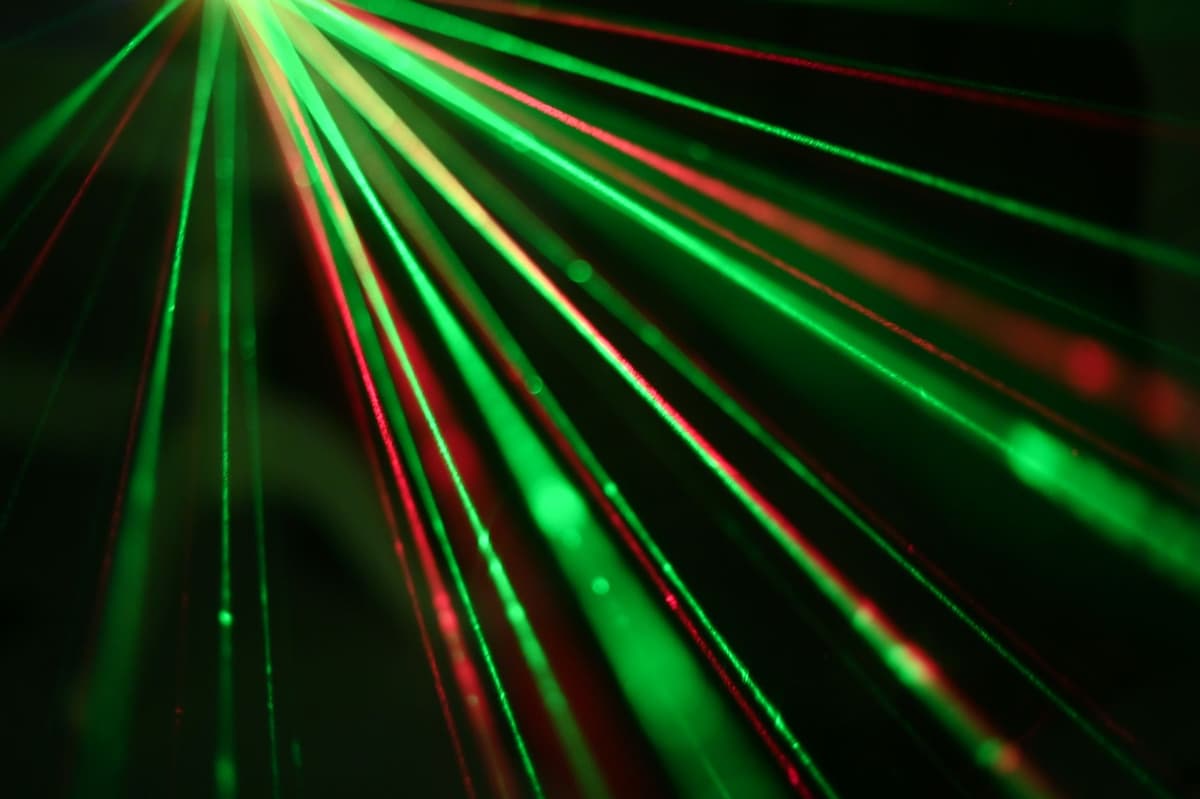
Photo by Тимур Керимов on Pexels
I find myself questioning where the line is between "smart farming" and a total surveillance state for plants. We are essentially building a Panopticon for produce. If every leaf is watched from germination to harvest, we reach a level of optimization that was previously impossible. But I have to wonder if there is a trade-off we aren't seeing yet when we treat living things as mere data points to be processed by a vision chip.
The Hardware Hand-Me-Downs
The economics of this are what really pique my interest. Developing a bespoke computer vision system for a farm from scratch is prohibitively expensive. However, piggybacking on the consumer electronics industry makes it cheap. The sensors used in smart glasses are being produced by the millions. This creates a weird ecosystem where the "Invasive Vision" pivot is fueled by the scraps of our obsession with wearable tech.
- Weight: The models are getting smaller, requiring less than 1GB of RAM to run.
- Power: They can run on battery for 12+ hours, perfect for mobile farm bots.
- Cost: Off-the-shelf camera modules have dropped below $15 in bulk.
When hardware becomes this disposable, you can saturate an environment with it. We are moving toward "ambient optical surveillance," where the air itself is practically watching the crops. It makes me wonder what other "human" technologies are currently looking for a new home in the dirt. If we can use facial recognition on a tomato, what's next? Emotional AI for livestock?
What This Actually Means
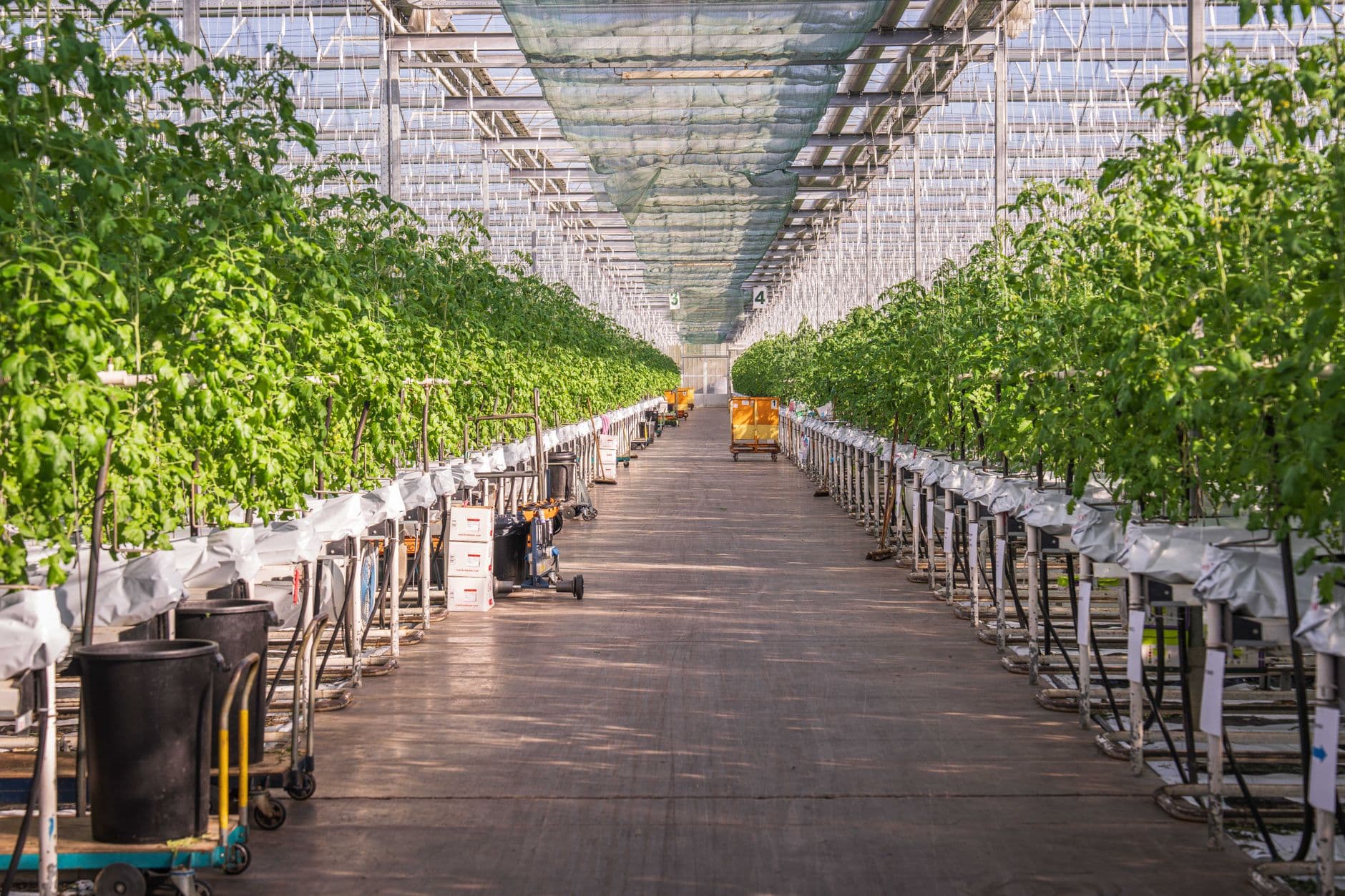
This isn't just about killing bugs more efficiently. It represents the final decoupling of agriculture from the natural world. In a vertical farm, the sun is replaced by LEDs, the soil by nutrient-mist, and now, the farmer's intuition is being replaced by low-latency edge models. We are building a food system that functions more like a semiconductor clean room than a field.
I’m genuinely curious about the long-term stability of this. We are trading chemical resilience for algorithmic precision. A bug might not build a resistance to a camera, but a camera can certainly glitch. If our entire food supply becomes dependent on the same silicon supply chains that power our social media habits, we are linking two very different worlds in a way that feels both brilliant and slightly precarious.
Ultimately, the pivot from watching people to watching plants is a sign of how desperate we are for control. We want the perfect strawberry, every time, without the chemical baggage. If the price of that is a thousand tiny glass eyes staring at our salad, I think most of us are going to take that deal without a second thought. I just hope we remember to look back at the eyes every once in a while.
Quick Answers
Is this the same tech used in police surveillance?
Yes, the underlying neural network architectures, like YOLO (You Only Look Once), are frequently the same ones used for real-time object detection in security and defense.
Does this mean my food will have fewer pesticides?
That is the primary goal; by identifying pests at the individual plant level, farmers can reduce chemical usage by up to 90% since they no longer need to spray proactively.
Is this being used in outdoor farming too?
It is starting to appear on tractors, but the controlled lighting and static environment of vertical farms make it much easier for the AI to work reliably right now.