
It's truly a testament to human ingenuity: we see a perfectly functional food, and our first thought is, "How can we make this blander and sweeter?" In the grand tradition of optimizing everything for mass appeal, we collectively decided that carrots needed a glow-up. Specifically, an orange one. And thus, the 'super-carrot' was born — super in sugar, super in visual appeal, and super in disappointing nutritional profiles.
Apparently, somewhere in the 1980s, brilliant minds in agriculture, possibly inspired by the vivid hues of acid-wash jeans and neon tracksuits, decided that the public demanded a brighter, sweeter carrot. Forget the earthy, sometimes bitter, nutrient-dense varieties that had been doing their job for millennia. No, we needed something that screamed, "I'm a vegetable, but I promise I won't taste like one!" And wouldn't you know it, consumers ate it up. Literally.
The Accidental Candy Aisle Addition
It's not like the growers woke up one day and said, "Let's actively remove all the beneficial compounds!" No, it was far more subtle, a slow drift toward what the market thought it wanted. Turns out, the same compounds that give carrots their protective, slightly bitter edge – those lovely phytonutrients that pests hate and our immune systems crave – are often correlated with less vibrant orange hues. The solution? Breed them out. Who needs natural pest resistance when you have pesticides, right? And who needs a strong immune system when you have… well, the pharmaceutical industry?
So, through generations of selective breeding, we inadvertently turned a rugged, nutrient-packed root into something more akin to a health-haloed gummy bear. We prioritized sweetness and that iconic bright orange color over, you know, the actual point of eating vegetables. It’s a remarkable feat of consumer-driven agricultural evolution: we asked for pretty, and we got pretty much nothing else.
When Branding Trumps Biology
Let's be clear, this isn't some conspiracy. This is just good old-fashioned market response. If people buy the sweeter, prettier carrot, farmers grow the sweeter, prettier carrot. The irony, of course, is that the very compounds we bred out are the ones now being heralded by health gurus as essential. Those "medicinal compounds" and "bitter notes" that make a plant resilient are the same ones that fortify our own bodies.
It’s almost as if nature knew what it was doing before we decided to 'improve' it with focus groups and color swatches. This isn't just about carrots, either. This is a pattern we've seen across the board in modern agriculture: optimize for yield, shelf-life, and aesthetic, and let the nutritional chips fall where they may. And then, decades later, wonder why everyone's suddenly so obsessed with "superfoods" and ancient grains.
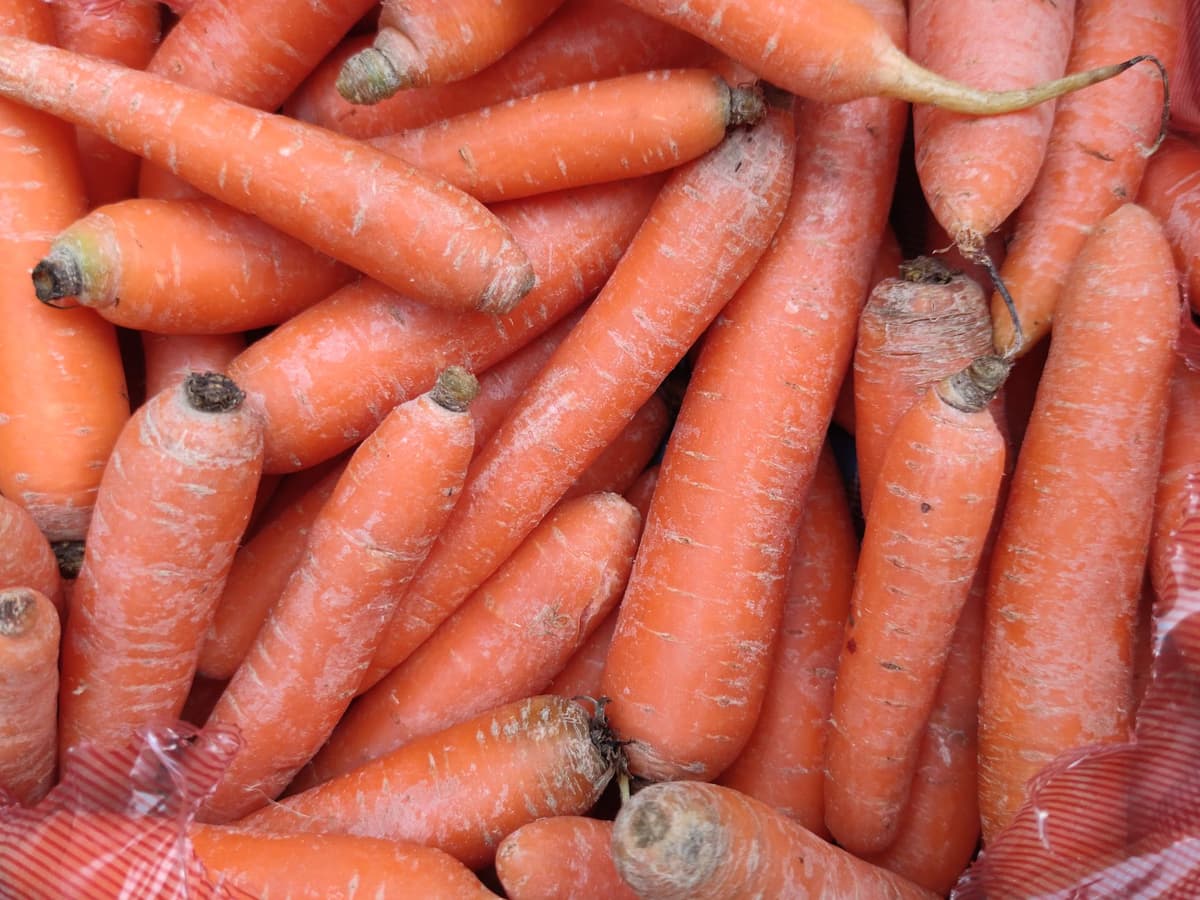
Photo by Paco Álamo on Pexels
The Return of the 'Gross' Carrot
Now, because we're nothing if not cyclical, modern heirloom genomics is stepping in to save us from ourselves. Scientists are meticulously re-introducing those very "bitter, medicinal compounds" that our predecessors so diligently eliminated. They're looking back at the genetic blueprints of older, wilder carrot varieties, trying to resurrect the very traits we deemed undesirable just a few decades ago. It's truly revolutionary work, turning back the clock to a time when food actually tasted like itself and wasn't just a vehicle for sugar.
Imagine the pitch meeting for the new, improved (old) carrot: "It's less sweet, it's a bit bitter, and it might not be perfectly orange! But it's good for you!" I'm sure the marketing teams are just salivating at that prospect. Perhaps we can brand them as "authentic" or "artisanal." Or, even better, "scientifically re-bittered for your immune system."
What This Actually Means
This whole carrot saga is a beautiful microcosm of our relationship with food. We consistently prioritize immediate gratification – sweetness, visual appeal, convenience – over long-term health and the inherent intelligence of natural systems. We then wonder why we're chasing supplements and obscure superfoods to get what a perfectly normal, unmolested carrot once provided.
It means that if you want truly nutritious food, you might have to look past the perfect, uniform specimens in the grocery aisle. It means embracing a little bitterness, a little imperfection, and perhaps even a color that isn't quite as Instagram-friendly. Because sometimes, the best things for us are the ones we initially tried to breed out.
Quick Answers
- What is the "Flavor-Nutrient" Disconnect? It's the phenomenon where agricultural breeding for traits like sweetness and visual appeal (flavor, aesthetics) inadvertently diminishes the nutritional content (phytonutrients) of crops.
- How did 1980s branding affect carrots? The push for vibrant orange color and sweeter taste, driven by consumer preferences and marketing, led to the selection of carrot varieties with higher sugar and lower phytonutrient levels.
- Why are scientists trying to re-introduce bitter compounds? These compounds are often beneficial phytonutrients that deter pests and support human immunity, which were largely bred out during the focus on sweetness and appearance.
- Are modern carrots less nutritious than old ones? In many cases, yes. The emphasis on high yield, uniform appearance, and sweetness has often come at the expense of diverse phytonutrient profiles found in older or wilder varieties.