The Hidden Weight of Digital Vanity
Every kilobyte of data transferred across the global network carries a carbon price tag. While we obsess over electric vehicles and plastic straws, the technology industry has quietly built a digital infrastructure that consumes roughly 10% of global electricity. Most of this energy isn't powering logic or utility; it is being incinerated by the sheer friction of poorly optimized code. The average web page today is roughly 2.4 megabytes, a staggering leap from the 500 kilobytes that defined the mid-2000s. This isn't progress. It is a form of digital obesity that demands more server cooling, more lithium for batteries, and more frequent hardware upgrades.
We have entered an era where developers treat user bandwidth and hardware as infinite resources. A standard news article today often requires the browser to execute hundreds of JavaScript files before a single sentence becomes readable. This execution happens on the user's device, draining battery life and generating heat. When multiplied by billions of users, the 'vibrant' animations and 'smooth' tracking pixels we take for granted become a collective environmental assault. The shift toward 'Tiny Brutalism' is the first sign of a much-needed correction: a realization that the most sustainable line of code is the one you never write.
The High Cost of JavaScript Frameworks
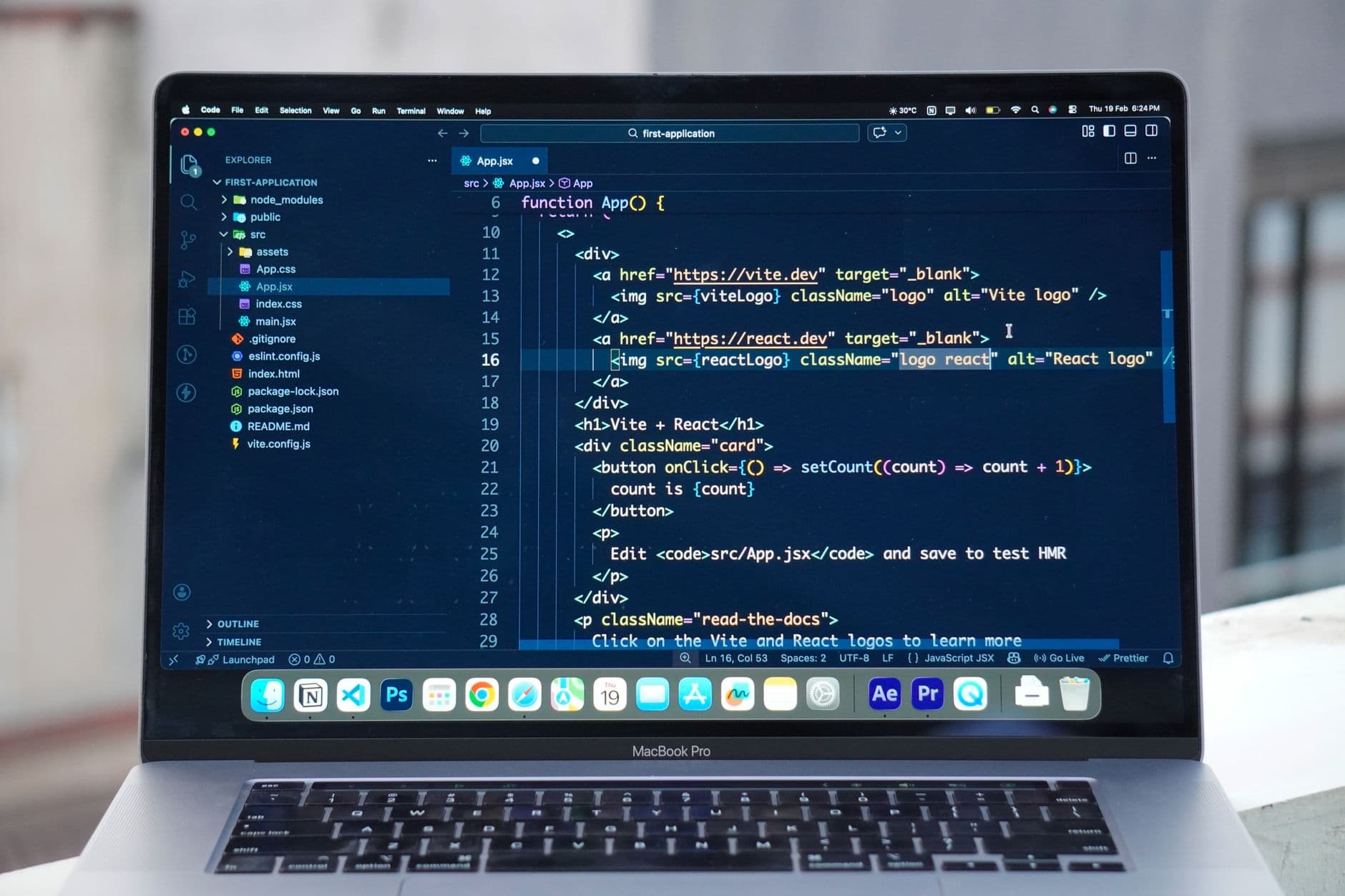
JavaScript is the primary culprit in the environmental degradation of the web. It is the most resource-intensive asset a browser can load, requiring significant CPU cycles to parse, compile, and execute. In 2023, the median JavaScript weight per page reached nearly 500 KB. This might seem negligible in isolation, but the energy required to process that code on an aging smartphone in a developing nation is significantly higher than on a high-end laptop in a climate-controlled office. We are building a web that is not only ecologically destructive but fundamentally exclusionary.
By adopting a brutalist approach, developers are forced to return to the fundamentals of HTML and CSS. These technologies are declarative and efficient; the browser knows exactly what to do with them without spinning up a complex virtual machine to handle state management for a simple button. Brutalism rejects the 'Single Page Application' (SPA) bloat for static or server-rendered content. This transition reduces the 'Time to Interactive' and, more importantly, slashes the total energy consumed per session. It is a move away from the 'move fast and break things' culture toward a 'build slow and sustain things' philosophy.
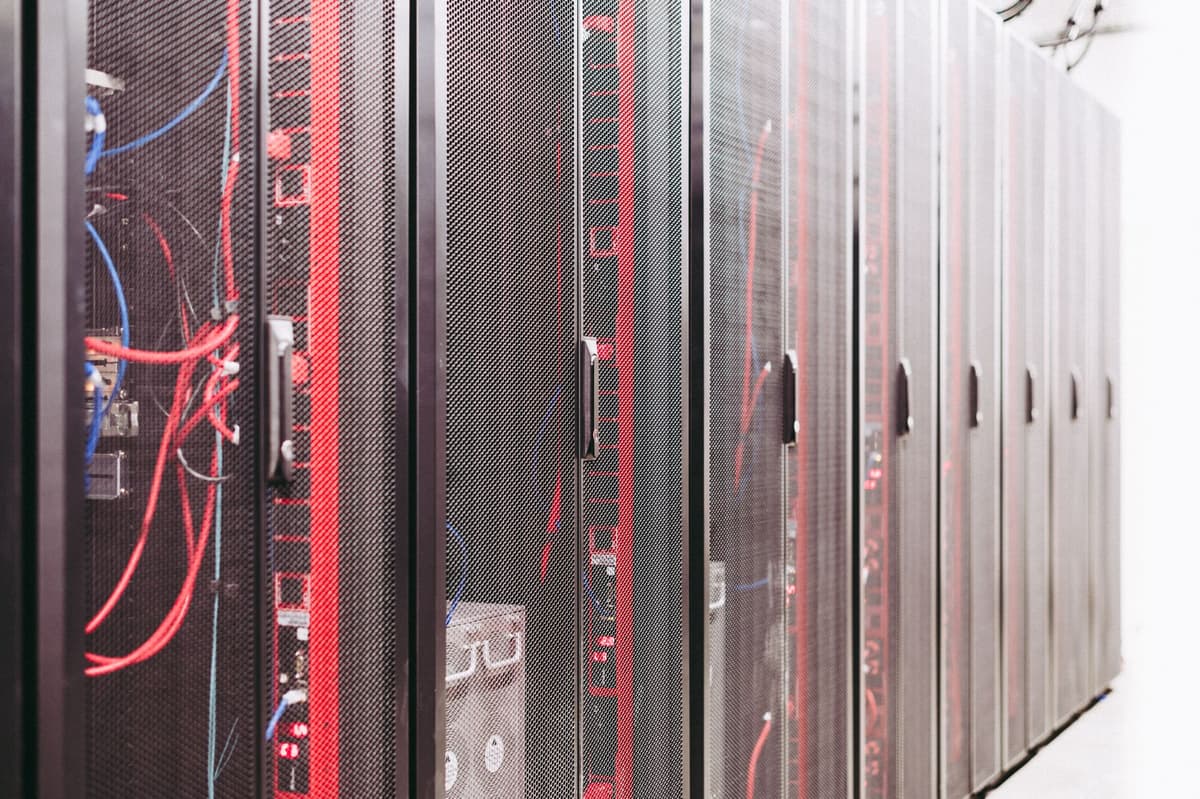
Photo by Brett Sayles on Pexels
Aesthetics as Environmental Policy
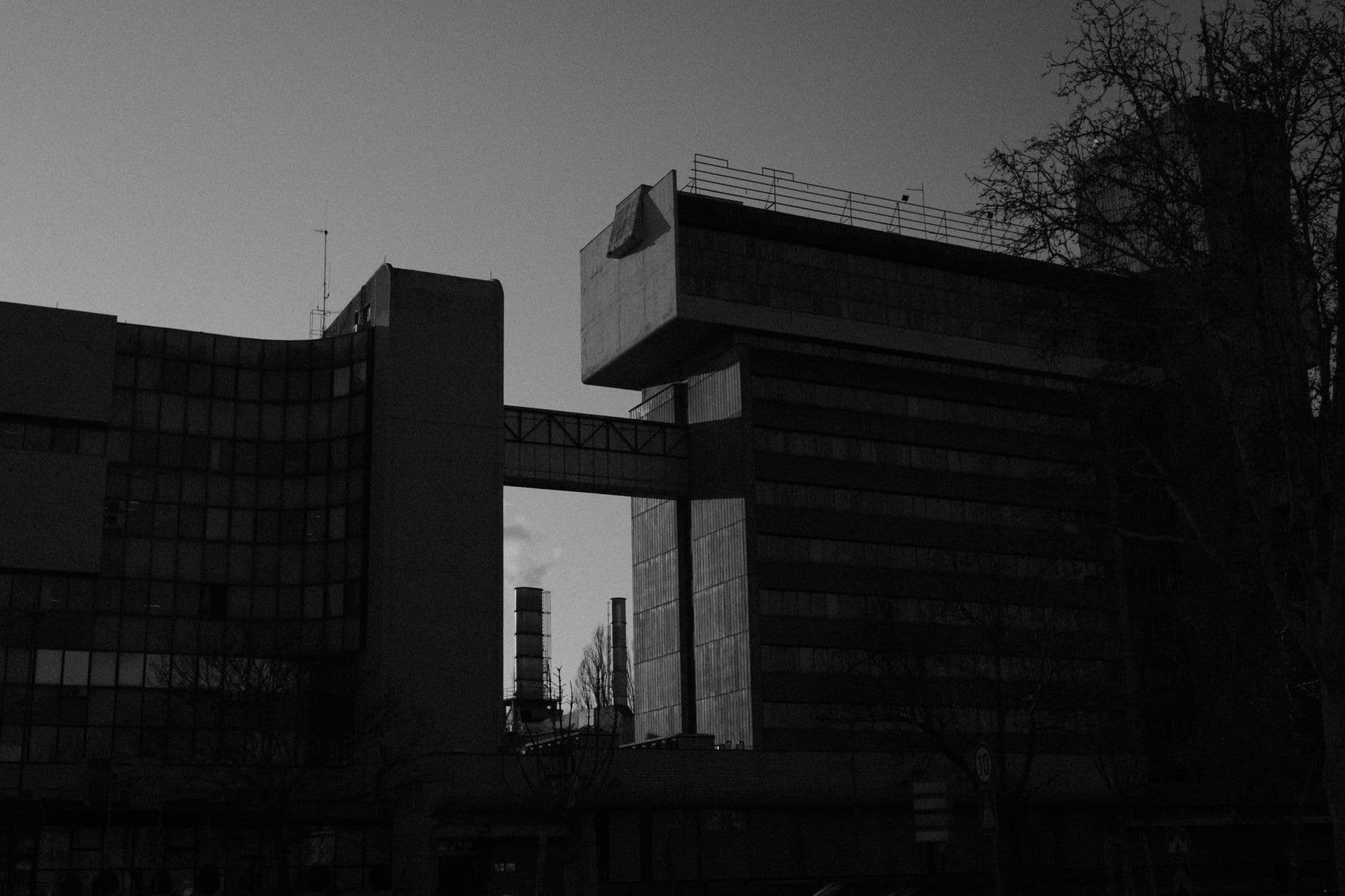
Brutalism in architecture was about honesty—showing the raw concrete and the structural bones of a building. In web design, this translates to a refusal to hide the underlying mechanics of the internet behind layers of soft shadows and high-definition background videos. When a website looks 'raw,' it is often because it is doing exactly what it needs to do and nothing more. This aesthetic subculture is evolving into a serious technical standard because it aligns perfectly with the goal of zero-carbon computing. If a site doesn't need a custom font that weighs 300 KB, it uses system fonts. If it doesn't need a tracking script to tell a shareholder how many people clicked a link, it removes it.
This isn't about a lack of creativity; it is about a new definition of excellence. We must start judging digital products by their 'carbon-per-view' metric. A website that loads in 200 milliseconds and consumes 0.05 grams of CO2 per page view is a superior piece of engineering compared to a visually stunning site that takes five seconds to load and costs five times as much in energy. The design community has spent decades optimizing for 'engagement,' which is often just a euphemism for 'more time spent burning electricity.' The brutalist pivot forces a refocus on the objective: the delivery of information with the least possible friction.
What This Actually Means
The transition to a brutalist, sustainable web requires a fundamental reevaluation of what we consider 'modern.' We have been conditioned to see raw HTML and simple layouts as 'broken' or 'cheap,' when in reality, they represent the peak of digital efficiency. As global energy costs rise and the physical limits of our planet become impossible to ignore, the luxury of bloated, over-engineered web platforms will evaporate. Companies will be forced to choose between performing performative 'greenwashing' or actually reducing the data loads they force upon the world.
Ultimately, the 'Tiny Brutalism' trend is the beginning of a necessary austerity in digital design. It is an admission that we cannot continue to build a digital world that ignores the physical constraints of the real one. By stripping away the UI bloat, we aren't just making the web faster; we are making it more resilient and less demanding of a planet that is already taxed to its limit. The future of the web isn't more layers of abstraction; it is the courage to be simple.
Quick Answers
Does a brutalist website have to look ugly?
No, brutalism is about structural honesty and efficiency, which has its own stark, functional beauty that prioritizes the user's time and the planet's resources over decorative trends.
How much carbon does a single website really emit?
The average website produces about 0.8 grams of CO2 per page view; for a site with 100,000 monthly views, that is nearly 1,000 kg of CO2 per year.
Is JavaScript always bad for the environment?
JavaScript itself isn't the enemy, but the massive, unoptimized frameworks and third-party tracking scripts that have become standard are the primary drivers of digital energy waste.