Your Salad Is Lagging
We are currently witnessing the most unholy marriage in the history of science: the precision fermentation industry has decided to take advice from the guys who play StarCraft: Brood War until their carpal tunnel develops its own zip code. The problem is simple yet profoundly stupid. Lab-grown vegetables are too perfect. They are the 'participation trophy' of the plant world—sugary, consistent, and utterly devoid of the soul-crushing bitterness that tells your brain you’re eating something that actually grew in the filth of the earth.
In the gaming world, a millisecond of latency is the difference between a glorious victory and crying in a Discord call. In the world of cellular agriculture, that same 'latency' refers to the volatile organic compounds (VOCs) that hit your tongue. Right now, lab-grown produce has the flavor profile of a beige wallpaper sample. To fix this, scientists are implementing the 'Brood War Bench,' a benchmarking system designed to measure the 'refresh rate' of bitterness. They want your carrot to have the same sharp, aggressive response time as a Korean teenager micro-managing a fleet of Mutalisks.
The Carrot Top Paradox is a Skill Issue
If you’ve ever eaten a carrot straight from the ground, you know that first bite tastes like a mix of sunshine and a mild chemical weapon attack. That’s the 'Carrot Top Paradox.' Soil-grown vegetables are constantly fighting for their lives against bugs, fungi, and the crushing weight of existence. This stress produces bitter compounds that our primate brains have evolved to recognize as 'fresh.' Lab-grown carrots, meanwhile, are raised in sterile vats where their biggest struggle is deciding which Enya song to vibrate to. They are weak. They are soft. They are the 'easy mode' of agriculture.
To solve this, researchers are literally 'overclocking' the fermentation tanks. They are trying to simulate the 'stress' of a garden by introducing micro-aggressions into the vats. I’m not joking. They are essentially trash-talking the cells to make them produce more defensive chemicals. It’s a high-stakes game of biological latency. If the bitterness doesn't hit your palate within a 16ms window, your brain flags the carrot as a 'bot' and refuses to release the dopamine. We are literally benchmarking our lunch to see if it can run at 144Hz.
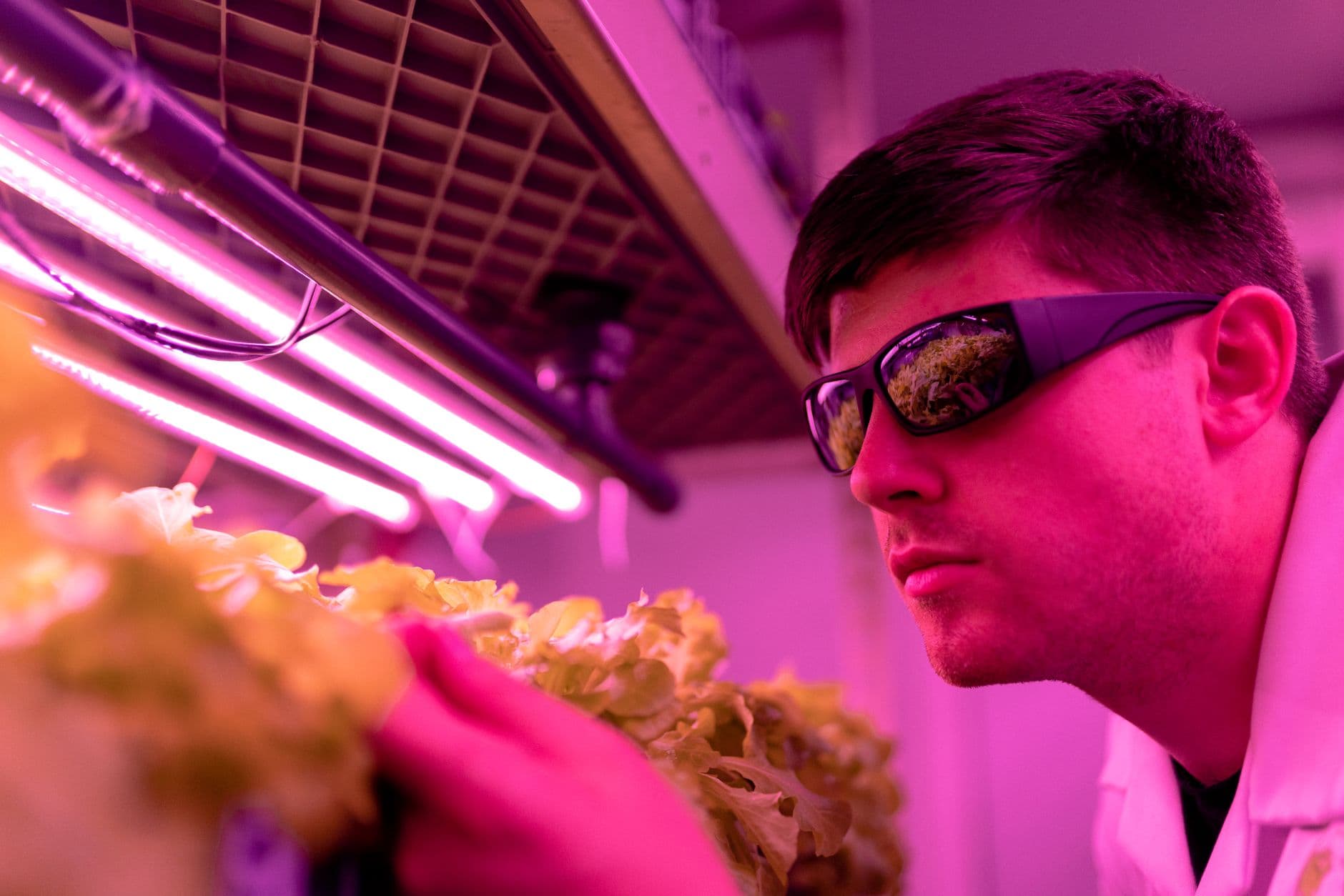
Photo by Andrey Matveev on Pexels
APM for Your Alimentary Canal
Actions Per Minute (APM) is the gold standard for pro gamers. A top-tier player might hit 400 APM. The 'Brood War' of precision fermentation is trying to achieve a similar metric for flavor release. They want the 'bitterness spikes' to be so rapid and complex that your tongue thinks it’s being attacked by a swarm of Zerglings. This isn't just about taste; it’s about the tactile experience of flavor. If the VOCs don't trigger your receptors in a specific, frame-perfect sequence, the illusion of 'freshness' shatters like a cheap headset.
Imagine sitting down to a $45 salad where the waiter explains that the arugula was grown using a 'Low-Latency Fermentation Protocol.' You take a bite, and instead of tasting like peppery greens, it tastes like a competitive edge. The industry is obsessed with this because, frankly, we’ve already mastered the 'sweet' part of lab food. Making something taste like candy is easy. Making something taste like it spent three months struggling against a localized drought and a very determined caterpillar is the final boss of food science.
What This Actually Means
Ultimately, we are entering an era where food isn't just grown; it’s 'rendered.' The fact that we have to borrow benchmarking tools from 90s real-time strategy games to make a tomato taste like a tomato is both a testament to human ingenuity and a horrifying indictment of our current trajectory. We are basically trying to build a 'Flavor GPU' that can ray-trace the exact sensation of a vegetable having a bad day in the dirt.
If this works, your future diet will be incredibly sustainable, technically perfect, and psychologically manipulative. You’ll be eating a vat-grown radish that has been precision-engineered to lie to your brain about its origins. It will have the 'ping' of a fiber-optic connection and the bitterness of a pro-gamer who just lost his sponsorship. It’s a strange world, but hey, at least the salads won't have bugs in them—unless they decide to add 'insect-simulated crunch' as a DLC pack in 2029.
Quick Answers
Is my salad actually going to have a frame rate?
In a way, yes. Scientists are measuring how quickly flavor compounds hit your receptors to mimic the 'snap' of fresh produce.
Why can't they just add dirt to the vats?
Because that ruins the 'sterile' part of lab-grown food, and apparently, 'precision-engineered bitterness' sounds better on an investor pitch deck than 'we threw some mud in the tank.'
Will this make vegetables taste better?
No, it will make them taste more 'real,' which usually means more bitter, earthy, and generally unpleasant—just like nature intended.