Celebrity privacy used to be a fortress built of nondisclosure agreements, blacked-out Escalades, and silent publicists. Today, that fortress is made of transparent glass, and the actors inside are daring the mob to find something they haven't already confessed. It is a counterintuitive survival strategy, but for a generation coming of age on screens, radical vulnerability is no longer an emotional indulgence; it is armor.
Consider the impossible position of young performers today. When Bella Ramsey broke out in The Last of Us in January 2023, they walked directly into the blast radius of a hyper-polarized, gamer-adjacent culture war. Decades ago, studio handlers would have scrubbed their profiles, ordered media coaching, and advised them to deflect questions about their gender fluid identity, neurodivergence, or personal struggles. Instead, Ramsey leaned entirely into specificity. They spoke plainly about wearing chest binders for 90 percent of production, detailed their neurodivergent traits, and bypassed the sanitized cadence of traditional Hollywood promotion. The publicists did not control the narrative because Ramsey gave the audience the primary source material upfront.
The Collapse of the Paparazzi Economy
To understand why this is happening, you have to look at the mechanics of the old scandal ecosystem. For roughly fifty years, the tabloid model relied on an information asymmetry. Celebrities maintained polished, manicured public facades. Tabloids and paparazzi made their margins by piercing that facade, selling the discrepancy between public virtue and private chaos. A photograph of an unkempt star buying groceries or a leaked quote about personal distress carried tangible value because it was scarce.
That economic model is largely broken. When actors like Ramsey or Sebastian Croft explicitly document their anxieties, their queer journeys, and their unvarnished awkwardness directly to millions on TikTok and Instagram, they systematically depress the black-market value of their private lives. You cannot expose someone who has already drawn a forensic map of their own flaws.
- The traditional paparazzi agency once commanded five-figure sums for blurry, intrusive glimpses of vulnerability.
- Today, an unedited ten-second front-facing video uploaded by the actor renders the stolen photo redundant.
- The invasive tabloid press loses leverage the moment the subject refuses the premise of shame.
This shift moves control away from opportunistic third parties. It converts what used to be a vulnerability into an unassailable defensive perimeter.

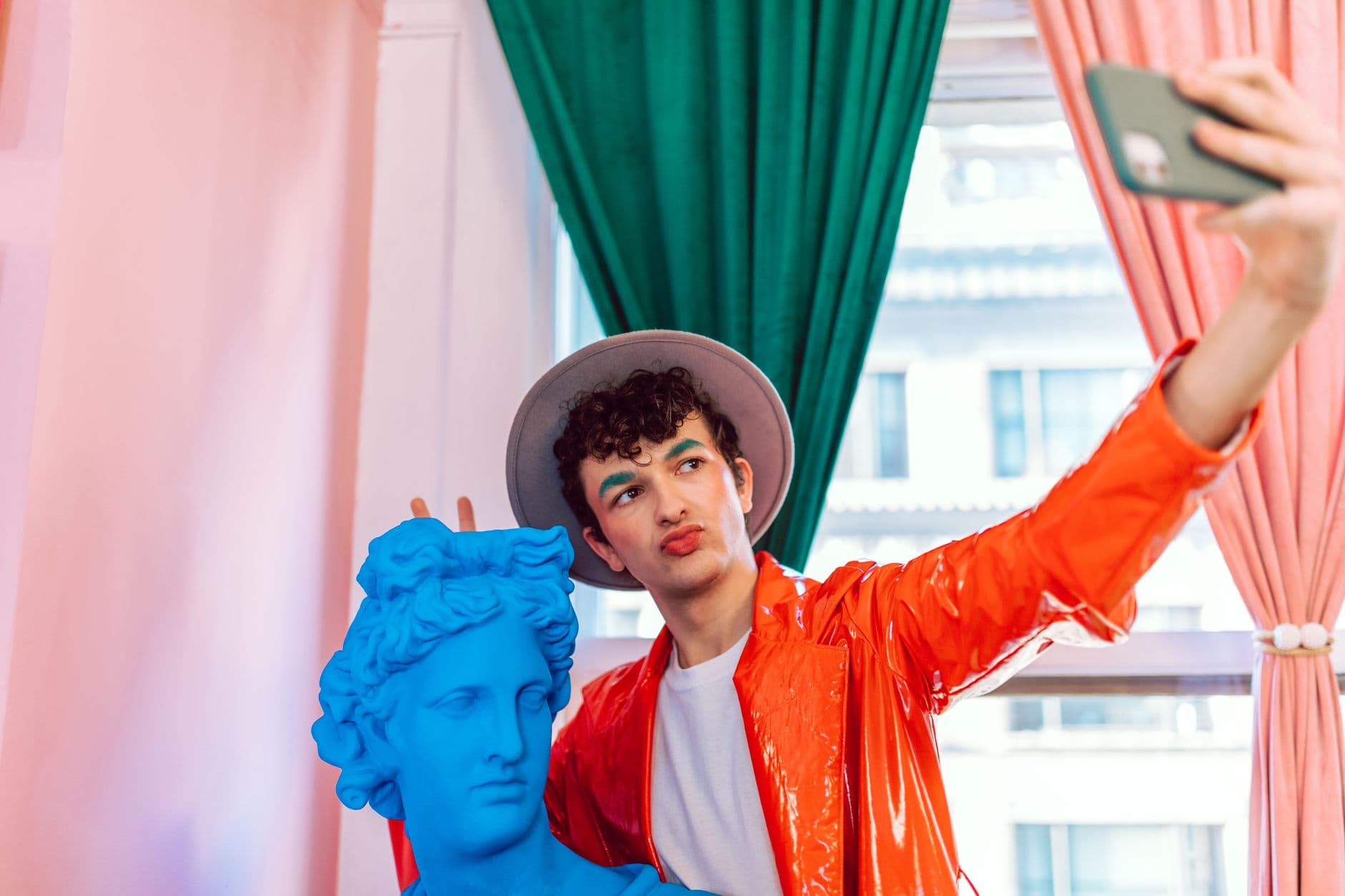
Photo by https://kaboompics.com/ on Pexels
Building the Para-Social Shield
What emerges from this dynamic is a tactical posture we might call the Para-Social Shield. It works by offering the internet a carefully demarcated version of deep emotional truth, satisfying the modern audience's insatiable demand for intimacy while quietly protecting the core self from actual invasion.
Internet fandoms do not tolerate stone walls anymore. If a young actor refuses to disclose their interior world, audiences often interpret the silence as deceit, privilege, or ideological evasion. They will dig until they unearth something, and the digging is inevitably destructive. Young stars understand this algorithmically conditioned entitlement. By voluntarily surrendering their neuroses, identities, and daily anxieties, they give the mob precisely what it hungers for, neutralizing the investigative impulse before it starts.
Sebastian Croft employed this exact posture when caught in the crosshairs of discourse surrounding his voice role in Hogwarts Legacy. Rather than retreating behind generic studio-approved neutralities, Croft addressed his fanbase directly, acknowledging his past choices, validating their hurt, and framing his journey in terms of real-time learning and personal accountability. It did not eliminate criticism, but it instantly altered the architecture of the attack. You cannot stage a dramatic unmasking when the subject is holding their own face in the light.
The Hidden Cost of Tactical Vulnerability
There is, however, an exhausting transaction taking place here that should not be celebrated uncritically. When authenticity becomes a defensive maneuver, the line between living a life and managing a public persona ceases to exist.
Previous generations of actors had the luxury of leaving work at the studio gates. They could be private citizens because the public accepted that acting was a job. Today's young performers are expected to be emotional conduits seven days a week. If survival requires you to commodify your neurodivergence, your gender, your family dynamic, and your mental health crises just to deter bad-faith actors, you are not truly free. You are simply paying protection money in the currency of your own psyche.
Furthermore, this strategy sets a dangerous baseline for every subsequent young artist entering the industry. It establishes an implicit expectation that privacy is suspicious. If Ramsey and Croft survive the online meat grinder by being hyper-transparent, the industry quickly concludes that everyone must be hyper-transparent. The young actor who prefers reticence, who wants only to act and go home to an undisclosed life, is suddenly viewed with skepticism, framed as aloof or concealing something toxic.
What This Actually Means
The Para-Social Shield is not a triumph of progressive corporate culture; it is an ingenious adaptation to a hostile environment. Young performers have looked at the wreckage of the child stars who preceded them—the public breakdowns, the stalker flashbulbs, the predatory investigative journalism—and chosen to defuse the bomb themselves rather than wait for the internet to detonate it.
They have recognized that transparency is the only weapon that functions against an audience trained to deconstruct PR spin. When you hand the public your unvarnished reality, you strip the digital mob of its primary thrill: the pursuit of the hidden truth. The question that remains is what happens when this generation has given away all their raw material just to buy peace of mind.
By converting radical candor into self-defense, they have protected their careers. But a shield, no matter how skillfully forged, is still heavy to carry every single day.
Quick Answers
What is the 'Bella Ramsey effect'?
It refers to the deliberate use of unvarnished personal honesty, particularly regarding gender, identity, and personal struggles, by young actors to establish direct credibility with audiences while preempting bad-faith media narratives.
How does the 'Para-Social Shield' work?
By offering audiences an authentic, deep look into their emotional lives voluntarily, celebrities satisfy the public hunger for intimacy and strip paparazzi or internet detectives of any hidden secrets to expose.
Does this strategy actually protect privacy?
It protects specific private spaces by sacrificing others. Stars control which vulnerabilities they reveal, which allows them to keep their truly sacred relationships and experiences hidden behind an apparent wall of total openness.