For what feels like eons in internet time, the promise of AI was an endless buffet. Imagine: every thought, every image, every obscure niche filled with bespoke content, generated on demand. And for a while, we were captivated. The novelty of seeing a machine conjure up a convincing landscape or a perfectly coherent (if bland) paragraph was enough. But then, something shifted. The fascination curdled a bit, didn't it? Now, we're not just looking at the output; we're squinting at the byline, wondering if there's a pulse behind the pixels. It's less about the miracle of creation and more about the uncanny valley of digital mimicry.
When the Dead Start Talking
Zelda Williams's recent comments about AI reanimating her father, Robin Williams, really hit a nerve. And honestly, who can blame her? The idea of a deceased loved one, or any person, being digitally recreated to say or do things they never did in life is deeply unsettling. It's one thing to see a deepfake of a celebrity in a silly meme (though even that has its creepy undertones), but quite another when it aims to authentically replicate their persona, their voice, their very essence, without their consent – or, in this case, the consent of their living family. It feels like a violation, a digital grave-robbing, and it makes me wonder where the line is drawn. Is it about respecting the dead, or protecting the living from a ghoulish imitation?
This isn't just about famous people, either. Think about the average person. If my old social media posts, my voice memos, my digital footprint, could be scraped and used to create a digital me after I'm gone, without my explicit permission, that's a whole new layer of existential dread. We've always had some control over our legacy, even in death. Now, that control seems to be eroding under the relentless march of AI's capabilities. It's as if the internet, in its ravenous hunger for 'content,' has forgotten about basic human dignity.
The 'Dead Internet' and the Search for Authenticity
The 'dead internet' theory, which posits that most online content is now AI-generated or bot-driven, used to feel like a fringe conspiracy. Now, with every bland, SEO-optimized article or suspiciously perfect social media comment, it feels less like a theory and more like an impending reality. We're drowning in a sea of synthetic text, and the signal-to-noise ratio is plummeting. What's the point of browsing the web if you're mostly interacting with ghosts in the machine, hollow echoes of human thought?
This pushback, this collective shiver down the spine, seems to be coalescing into a demand for human authentication. We don't just want content; we want authored content. We want to know there's a human brain, a human heart, behind the words and images we consume. It's a desire for connection, for genuine expression, which AI, for all its cleverness, simply can't replicate. The low-effort AI text, the generic images – it all feels like junk food for the mind, devoid of nutrition. We're craving real meals again.
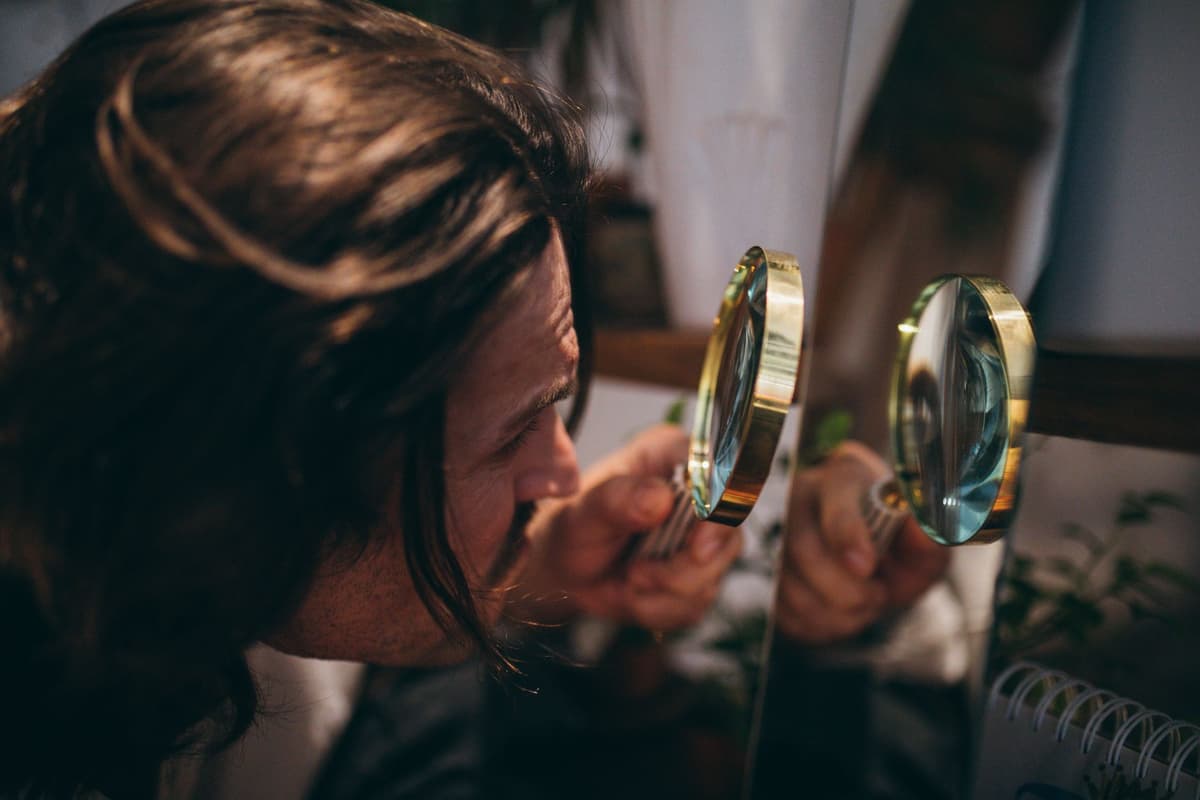
Photo by KoolShooters on Pexels
Shame and Stigma: The Unofficial Regulators
In the absence of clear copyright laws – which, let's be honest, are always playing catch-up with technology – it seems social stigma is becoming the primary regulator of AI usage. Think about it: once upon a time, using AI to generate text or art was seen as innovative, cutting-edge. Now, it's increasingly met with an eye-roll, a 'did you even try?' kind of vibe. There's a growing digital shame associated with passing off AI-generated work as your own, or even just using it to flood the internet with low-quality output. This is a fascinating development.
It’s not just about copyright; it's about reputation. Artists are being called out for using AI to 'finish' their work, writers for submitting AI-generated articles. The public, it seems, has developed a surprisingly sophisticated radar for the bland, the generic, the subtly off-kilter patterns that betray AI authorship. This collective discernment, this willingness to call out synthetic content, might just be our best defense against a truly dead internet. It's a grassroots movement, driven by an instinctual demand for authenticity, and it's putting pressure on creators and platforms alike to be transparent.
What This Actually Means
This whole situation points to a deeper shift. We started with a utopian vision of AI, where it would augment human creativity and fill every void. But we're realizing that some voids are better left empty, or filled only by genuine human effort. The internet, at its best, is a reflection of humanity – our weirdness, our brilliance, our messiness. AI, while capable of mimicking those traits, ultimately lacks the spark that makes them truly human. The 'Consent of the Living' movement isn't just about legal frameworks; it's about a cultural reckoning with what we value in our digital spaces.
It means that the internet might be entering a 'human-authenticated' era, where provenance matters more than ever. Brands might start proudly proclaiming '100% human-made content!' as a selling point. Creators will need to be transparent about their tools. And as users, we'll become more discerning, more critical of what we consume. It's a pushback against the endless, frictionless stream of digital content, a demand for friction, for effort, for the unmistakable imprint of a human hand.
Quick Answers
- What is the 'Consent of the Living' movement? It's a growing sentiment and social movement pushing back against the unauthorized use of AI to replicate deceased individuals' personas, voices, or images, often extending to any AI-generated content that lacks human consent or authenticity.
- What is the 'dead internet' sentiment? This is a belief that a significant portion of online content and interactions are now generated by AI or bots, leading to a decline in genuine human-created content and interaction, making the internet feel less 'alive.'
- How is digital shame regulating AI usage? In the absence of clear legal frameworks, social stigma and public backlash against creators or companies for using AI to generate low-effort, unoriginal, or ethically questionable content are becoming powerful deterrents, impacting reputations and user trust.
- Why are people worried about AI reanimating celebrities? Concerns stem from ethical issues around posthumous consent, the potential for exploitation, the distress it causes to living family members (like Zelda Williams), and the blurring of lines between reality and synthetic creation.