The Luxury of Feeling Things in 3D
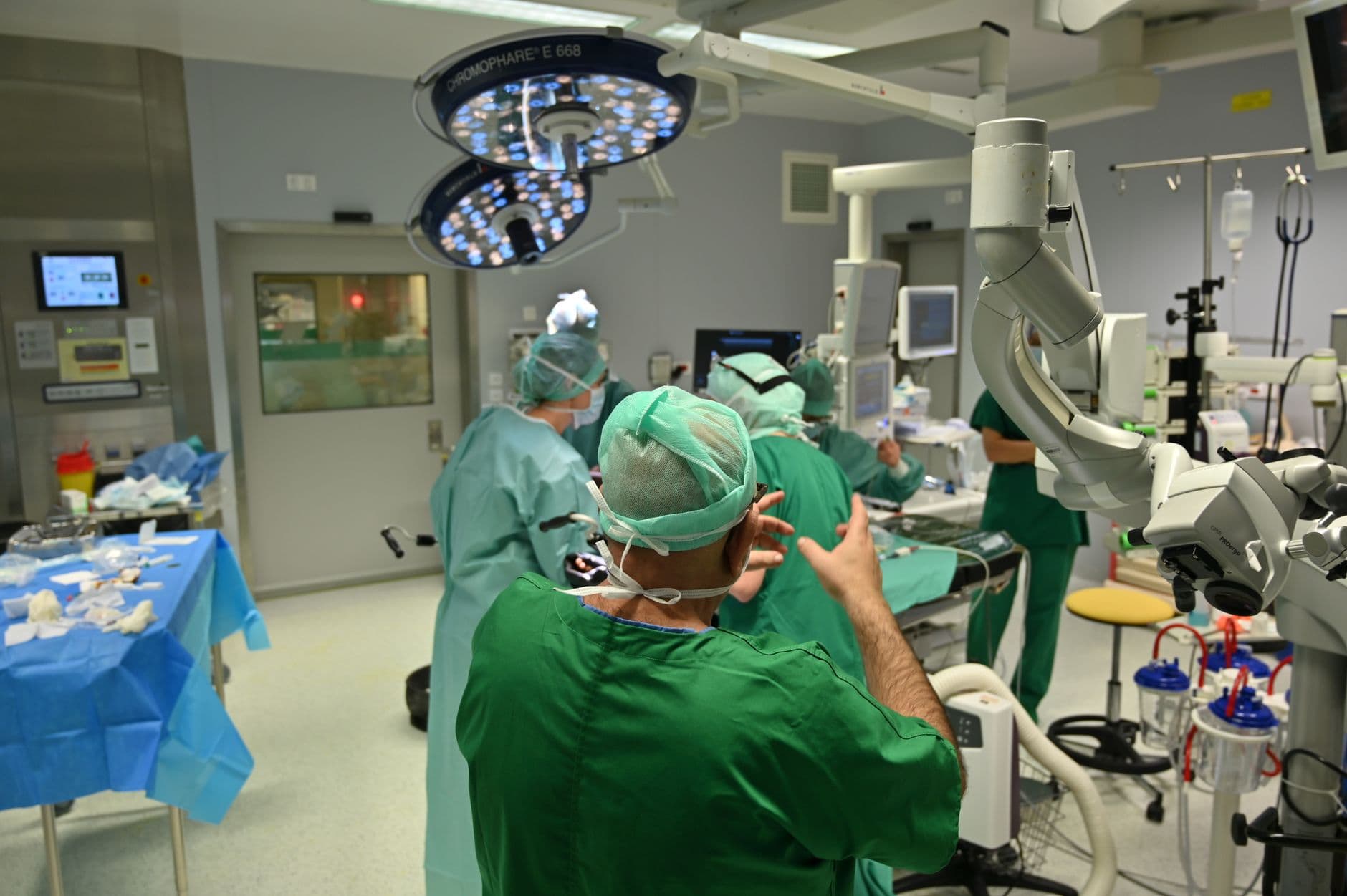
For the longest time, the pinnacle of medical technology was apparently a glorified pair of tongs and a grainy monitor that looked like it was streaming from a 2004 webcam. Surgeons were expected to perform delicate maneuvers on human anatomy while dealing with the kind of visual lag that would make a teenager throw their gaming controller through a window. It turns out that when you're digging around in someone’s abdomen, 'close enough' isn't exactly the gold standard of care.
Enter 'Divide by Depth.' This algorithmic savior didn't descend from a medical think tank obsessed with saving lives; it trickled down from the world of computer vision and 3D modeling, where people are mostly concerned with making digital avatars look slightly less terrifying. Now, thanks to some clever math that breaks down visual data into manageable layers of depth, we’ve decided that surgeons should finally have the privilege of knowing exactly how deep they’re digging into a patient’s liver.
The Latency Gap is a Great Way to Meet Malpractice Lawyers
Telesurgery has always had a minor, almost cute little problem: physics. When a surgeon in New York moves a joystick to operate on someone in London, those bits of data have to travel through a lot of fiber optic cable. Historically, the haptic feedback—the fancy term for 'feeling stuff'—would arrive just a fraction of a second too late. In the world of high-stakes surgery, a 100-millisecond delay is the difference between a successful procedure and an accidental arterial fountain.
Before this breakthrough, haptic systems were basically guessing. They were trying to simulate the resistance of human tissue using data that was already stale by the time it reached the surgeon's fingertips. It’s like trying to catch a ball while wearing a blindfold and receiving instructions via a carrier pigeon. The 'Divide by Depth' approach fixes this by providing instant depth estimation, allowing the system to calculate the tactile density of tissue in real-time. It’s a revolutionary concept: knowing what you’re touching while you’re touching it.
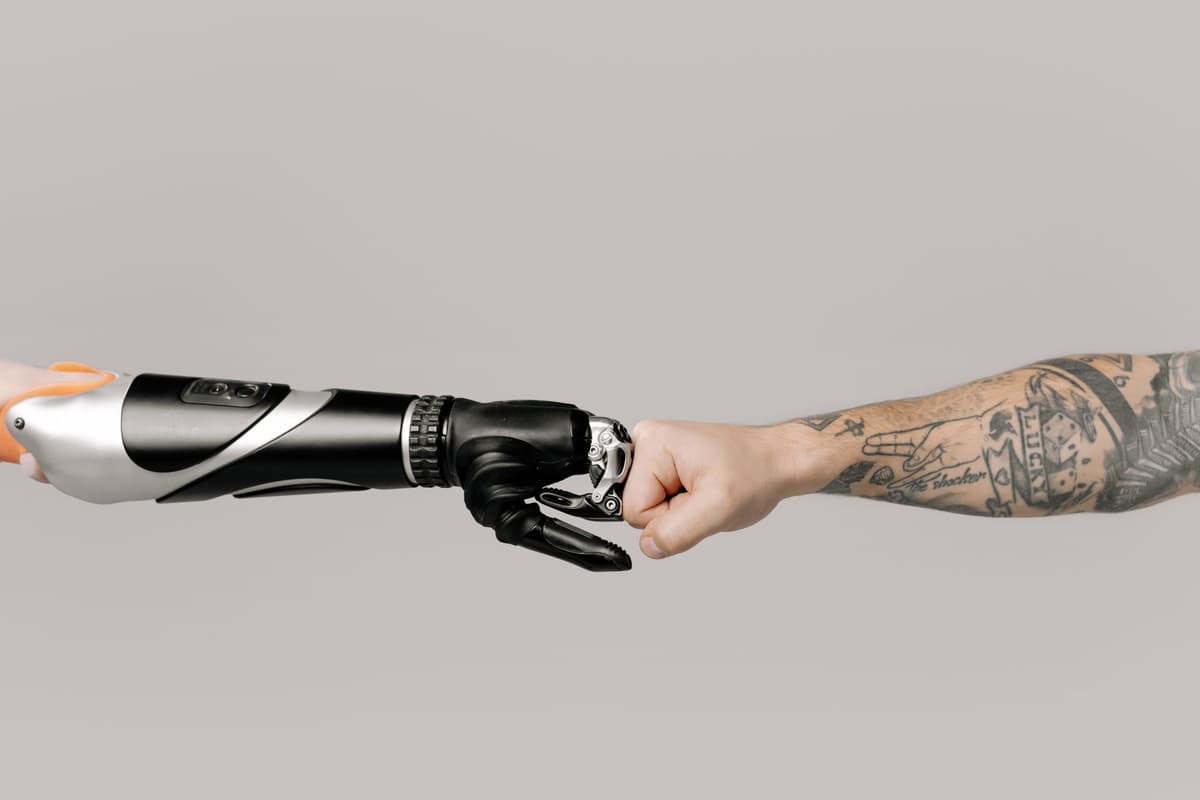
Photo by cottonbro studio on Pexels
Making High-Speed Networks Earn Their Keep
We’ve spent billions of dollars building high-speed 5G networks and low-latency infrastructure just so people can watch TikToks of cats in 4K without a stutter. It’s nice to see that someone finally found a use for this technology that doesn't involve an influencer. By optimizing how depth data is compressed and transmitted, the 'Divide by Depth' algorithm ensures that the 'tactile density' of a patient’s internal organs can be mirrored across the globe without the surgeon feeling like they’re operating through a bowl of lukewarm oatmeal.
This isn't just about making things look pretty. It’s about the sheer audacity of expecting a machine to tell you exactly how much pressure to apply to a suture when the patient is 3,000 miles away. We are essentially teaching robots to have a sense of touch that is faster than the human brain can process a 'Connection Lost' error message. If the network drops for a second, the algorithm is smart enough to fill in the gaps, which is comforting for everyone involved, especially the person on the table who didn't sign up to be a test case for a packet loss experiment.
What This Actually Means
What this actually means is that we are slowly running out of excuses for why top-tier medical care is still localized to about four zip codes in the entire world. If a specialist in Tokyo can feel the exact tension of a ligament in a rural clinic in Nebraska, the geographical lottery of healthcare starts to look a lot less like a death sentence. It’s a remarkable feat of engineering that turns the human body into a high-fidelity data stream, assuming the internet doesn't go down because someone nearby started downloading a 100GB game update.
We are entering an era where the surgeon’s hands are effectively everywhere and nowhere at once. The 'latency gap' is being paved over with clever math and high-speed pings, turning the messy, unpredictable reality of biology into something a computer can finally understand in real-time. It’s a win for everyone, except perhaps for the people who enjoyed the suspense of wondering if their surgeon was seeing the same thing the robot was doing.
Quick Answers
Is this just for long-distance surgery?
No, it improves local robotic surgery too by giving surgeons better 'feel' and precision even when they’re in the same room. It turns out humans are just better at their jobs when they aren't fighting lag.
Does this mean robots are doing the surgery themselves?
Not yet; the human is still pulling the strings, the strings just don't have as much slack in them anymore. The robot is the high-tech puppet, and 'Divide by Depth' is the invisible thread that makes it responsive.
Will this make my surgery cheaper?
That is the funniest thing I’ve heard all day. High-speed 3D reconstruction algorithms and haptic feedback systems are many things, but 'budget-friendly' is definitely not on the list.