
The Architecture of the In-Between
There is something hauntingly quiet about a self-storage facility at 2:00 PM on a Tuesday. It is a labyrinth of corrugated metal and orange doors, a silent city where nobody lives but everything stays. I find myself wondering what the ratio of square footage is between the average American living room and the average 10x10 unit down the street. We’ve reached a point where our possessions require their own real estate portfolios, and we are paying handsomely for the privilege of not looking at things we can't bring ourselves to throw away.
This isn't just a closet overflow problem; it's a structural shift in how we inhabit the world. In 1984, there were roughly 6,600 self-storage facilities in the United States. Today, that number has ballooned to over 50,000. That is more than the total number of McDonald’s and Starbucks locations combined. We have more places to put our old weight sets and high school yearbooks than we have places to get a cheeseburger or a latte.
I’m curious about the psychological tax of these spaces. We call it "storage," but it often functions as a purgatory for the versions of ourselves we haven't quite abandoned yet. It’s the "divorce box," the "failed startup equipment," or the "clothes I’ll wear when I lose ten pounds." We aren't just renting space; we are buying a temporary reprieve from the finality of getting rid of things.
The Financial Alchemy of the Windowless Box
From an investment standpoint, self-storage is a glitch in the Matrix that actually works. It is the ultimate low-overhead dream. You don't have to provide heat, water, or electricity to a stack of cardboard boxes. You don't have to worry about tenants calling at 3:00 AM because the toilet is leaking. It is a business model built on the fact that humans are fundamentally prone to inertia. Once you put your life into a unit, the friction of moving it out—renting the truck, finding the time, facing the clutter—is usually worth more than the $150 monthly fee to just let it sit.
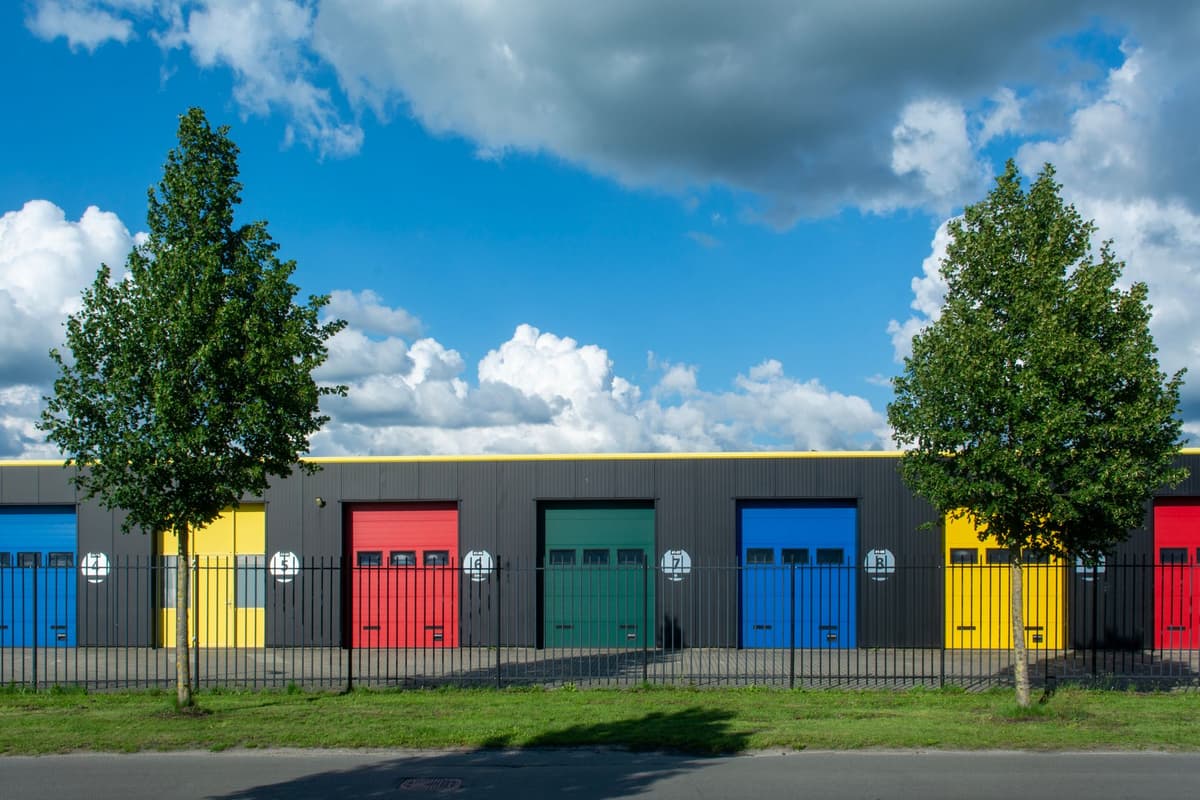
Photo by Jan van der Wolf on Pexels
Wall Street has figured this out, transforming these facilities into a $44 billion asset class. The industry is famously "recession-resistant." When the economy is good, people buy more stuff and need a place to put it. When the economy is bad, people lose their homes, downsize to smaller apartments, and need a place to put the furniture that no longer fits. It is a rare business that captures the surplus of our prosperity and the wreckage of our crises with the same cold efficiency.
I wonder if the investors look at the "4 Ds"—Death, Divorce, Downsizing, and Dislocation—as mere data points or as the heartbeat of their revenue. Every time a life falls apart or shifts gears, a storage facility gets its wings. It’s a shadow economy fueled by the friction of modern existence. We are living in a highly mobile society, yet we are weighed down by physical anchors that require monthly subscriptions to maintain.
A Monument to Housing Instability
If you look closely at the rise of self-storage, it tracks almost perfectly with the tightening of the American housing market. We talk about the housing crisis as a lack of roofs for heads, but it’s also a lack of space for the artifacts of a middle-class life. As the average apartment size in cities like Seattle or New York shrinks to the size of a glorified walk-in closet, the storage unit becomes the externalized basement. We’ve unbundled the home, moving the living quarters to a high-rent district and the storage to a concrete block on the edge of town.
There is a strange irony in the fact that we often store items that are worth less than the cost of the rent we pay to keep them. If you pay $100 a month to store a $400 sofa, you have "bought" that sofa again every four months. Yet, we do it anyway. Is it because we value the objects, or because we fear the emptiness that comes with letting them go? The storage unit acts as a physical buffer against the volatility of our lives. It’s the one place where things don't change, even when everything else does.

Photo by Alexander Popadin on Pexels
I find myself thinking about what archaeologists 500 years from now will make of these sites. They won't find bones or altars; they’ll find perfectly preserved plastic bins full of 2010-era electronics and holiday decorations. They might conclude that we were a civilization that worshipped the "Potential Future," keeping every tool and trinket just in case we finally became the people who knew how to use them.
What This Actually Means
The self-storage boom is a mirror held up to our inability to reconcile our physical reality with our economic one. We are caught in a loop where we buy things to feel secure, then pay rent to store those things because we can't afford the space to live with them. It’s a tax on the American Dream, a monthly fee paid to keep the ghost of our former selves alive in a climate-controlled box.
Ultimately, the $44 billion industry isn't selling space; it’s selling time. It’s a way to delay the difficult decisions about what we actually need and who we actually are. As long as we keep moving, keep downsizing, and keep consuming, the orange doors will keep multiplying. We are building a kingdom of things, and the walls are closing in—literally.
Maybe the real question isn't why we have so much stuff, but why we’ve decided that the stuff is worth more than our own freedom from the monthly bill. We’ve turned our clutter into a commodity, and in doing so, we’ve made sure that even our junk has to pay rent.
Quick Answers
Why is self-storage so profitable for investors?
It has incredibly low operating costs compared to apartments—no plumbing, minimal staff, and tenants who rarely leave because moving is a hassle.
Does the industry grow during a recession?
Yes, it’s considered "counter-cyclical" because people who lose their homes or downsize need a place to put their belongings during the transition.
Is this just an American phenomenon?
While it's growing globally, the U.S. accounts for roughly 90% of the world's self-storage inventory, reflecting our unique combination of high consumption and housing mobility.
What are the "4 Ds" of storage?
They are the primary drivers of the business: Death, Divorce, Downsizing, and Dislocation—life events that force people to move their stuff quickly.