The Luxury Condos of Landfill-Bound Junk
There is something deeply poetic about the fact that self-storage is one of the most resilient sectors of the American economy. While retail dies and office buildings crumble into tax write-offs, the windowless, corrugated metal boxes of Public Storage continue to multiply like a beige fungus. We have reached a point in our evolution where we simply have too much soul to fit into a three-bedroom ranch, so we outsource our identities to a climate-controlled bunker on the edge of town.
It’s a brilliant business model. You take a piece of land, pave it with the cheapest asphalt available, and build rows of lockers that require zero maintenance. Then, you find people who are emotionally incapable of throwing away a 2014 IKEA coffee table and charge them $140 a month to keep it in a dark room. By the time they’ve paid for three years of storage, they could have bought five new coffee tables, but that isn't the point. They aren't paying for the wood; they are paying for the right to remain undecided.

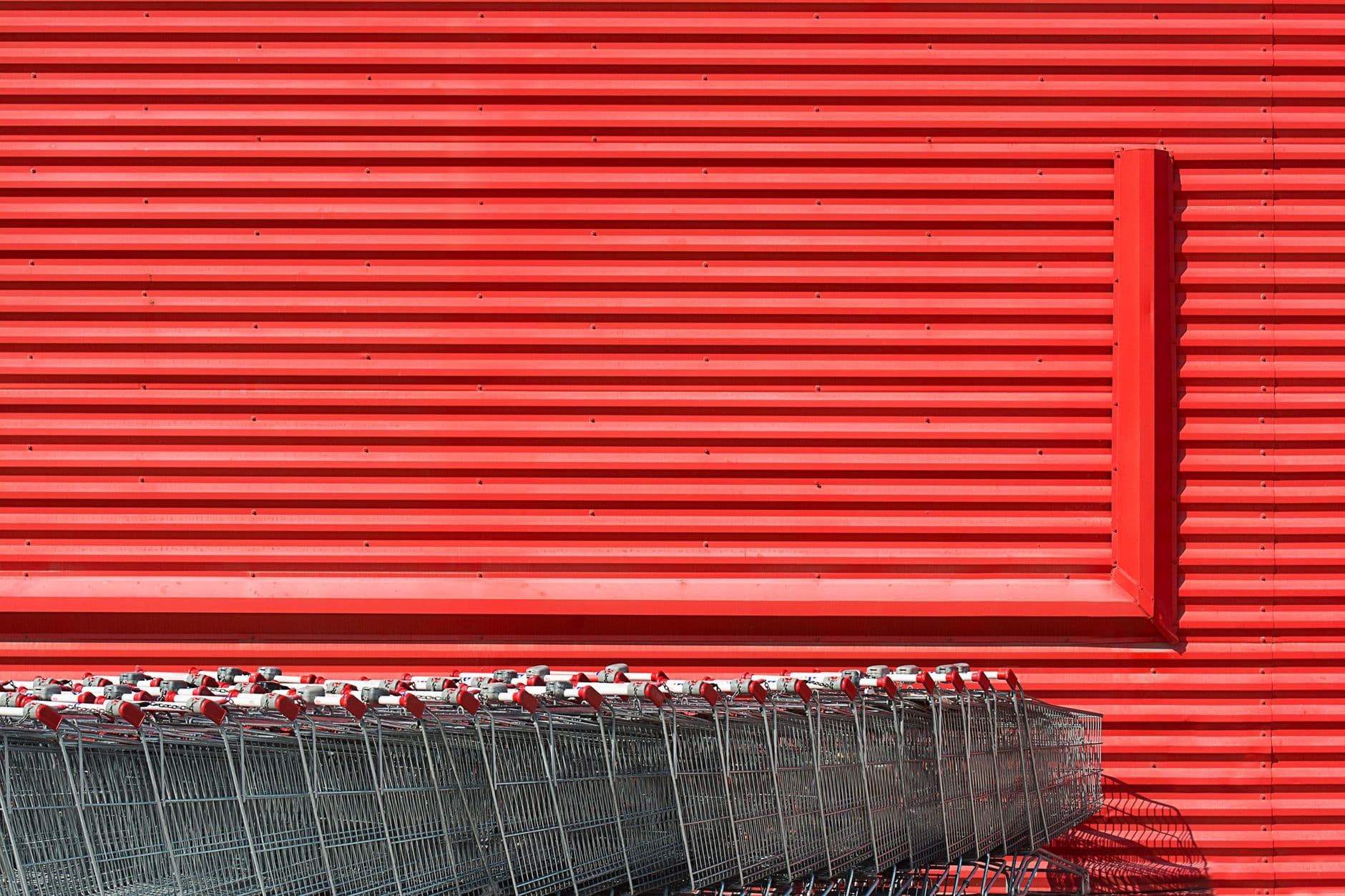
Photo by Gratisography on Pexels
The Digital Backup of Your Failed Hobbies
We like to think of ourselves as digital nomads, light and agile, but our physical footprints tell a much heavier story. The average storage unit is essentially a physical hard drive for a life that crashed years ago. Inside these units, you won’t find gold bullion or rare Ferraris; you’ll find a "Save" folder for a person who no longer exists. It’s the mountain bike with two flat tires from that one summer you decided to be 'outdoorsy,' and the bread maker that produced exactly one brick of sourdough before being exiled to the shadows.
This is the 'Inventory of the Self' paradox. We believe that if we discard the 40-pound crate of National Geographic magazines from the 90s, we are somehow deleting the version of ourselves that was worldly and intellectual. Keeping them in a 10x10 unit keeps the potential alive. You aren't a hoarder; you're just maintaining a backup server of your personality in case you ever need to reboot your 20s. It is the ultimate insurance policy against the terrifying reality that we might actually be finished with our past.
- The average self-storage tenant stays for 3.3 years.
- Roughly 1 in 10 US households currently rents a primary storage unit.
- Total industry square footage in the US now exceeds 2 billion, which is enough space for every American to stand under a roof at the same time and contemplate their poor life choices.
The Aspirational Graveyard
There is a specific kind of cruelty in the 'someday' items. These are the possessions we buy for the person we intend to become next Tuesday—the yoga mats, the half-finished woodworking kits, the size-six jeans that haven't fit since the Bush administration. We can't keep them in the house because they remind us of our failures, but we can't throw them away because that would be admitting defeat. So, we send them to purgatory.
Storage facilities are the only places on Earth where 'potential' goes to die while still being billed to a Visa. We are paying for the illusion of future utility. It’s a subscription service for a lifestyle you’re never going to lead. If you haven't touched that boxed-up set of encyclopedias since 2008, you aren't 'holding onto knowledge.' You are paying a monthly fee to keep a heavy pile of paper away from a recycling bin that is screaming its name.
What This Actually Means
Ultimately, the American religion of storage is a monument to our inability to process loss. We have weaponized the monthly recurring revenue model against our own nostalgia. By detaching possession from utility, we’ve created a new class of object: the ghost. These items don't serve a purpose, they don't provide comfort, and they don't even look good on a shelf. They simply exist in a state of expensive suspension, waiting for a 'someday' that is statistically never going to happen.
We are the only species that pays to house things we don't want to look at. It’s a fascinating psychological loophole that turns clutter into a service. We aren't buying space; we're buying a delay. We’re buying the ability to tell ourselves that we aren't the kind of people who just throw things away. We’re collectors. We’re curators. We’re just... currently between galleries.
Eventually, the credit card will expire or the tenant will pass on, and a guy with a camera crew will show up to auction off your 'identity' for $50 to someone looking for scrap metal. In the end, your physical backup is just someone else's Saturday afternoon project. But hey, at least you kept that treadmill for fifteen years just in case your knees suddenly stopped hurting.
Quick Answers
Is self-storage a waste of money?
Mathematically, yes, unless you are storing something that appreciates faster than the 12% annual rent hikes, which your old college textbooks certainly do not.
Why can't I just throw things away?
Because you’ve successfully conflated your worth as a human being with a cardboard box of cables for electronics that no longer have ports.
Will I ever use that stuff again?
No. If you haven't seen it in six months, it’s no longer a possession; it’s a tax on your inability to move on.