The Bronze Age 2.0 Upgrade
It turns out the pinnacle of 21st-century energy infrastructure isn't a smarter battery or a better inverter. It’s a ruminant mammal that has spent the last 10,000 years doing exactly one thing: eating grass until it dies. We’ve spent decades dreaming of a gleaming, sterile future of chrome and glass, only to find out that the most efficient way to maintain a $500 million solar array is to let a bunch of fluffy idiots poop all over it.
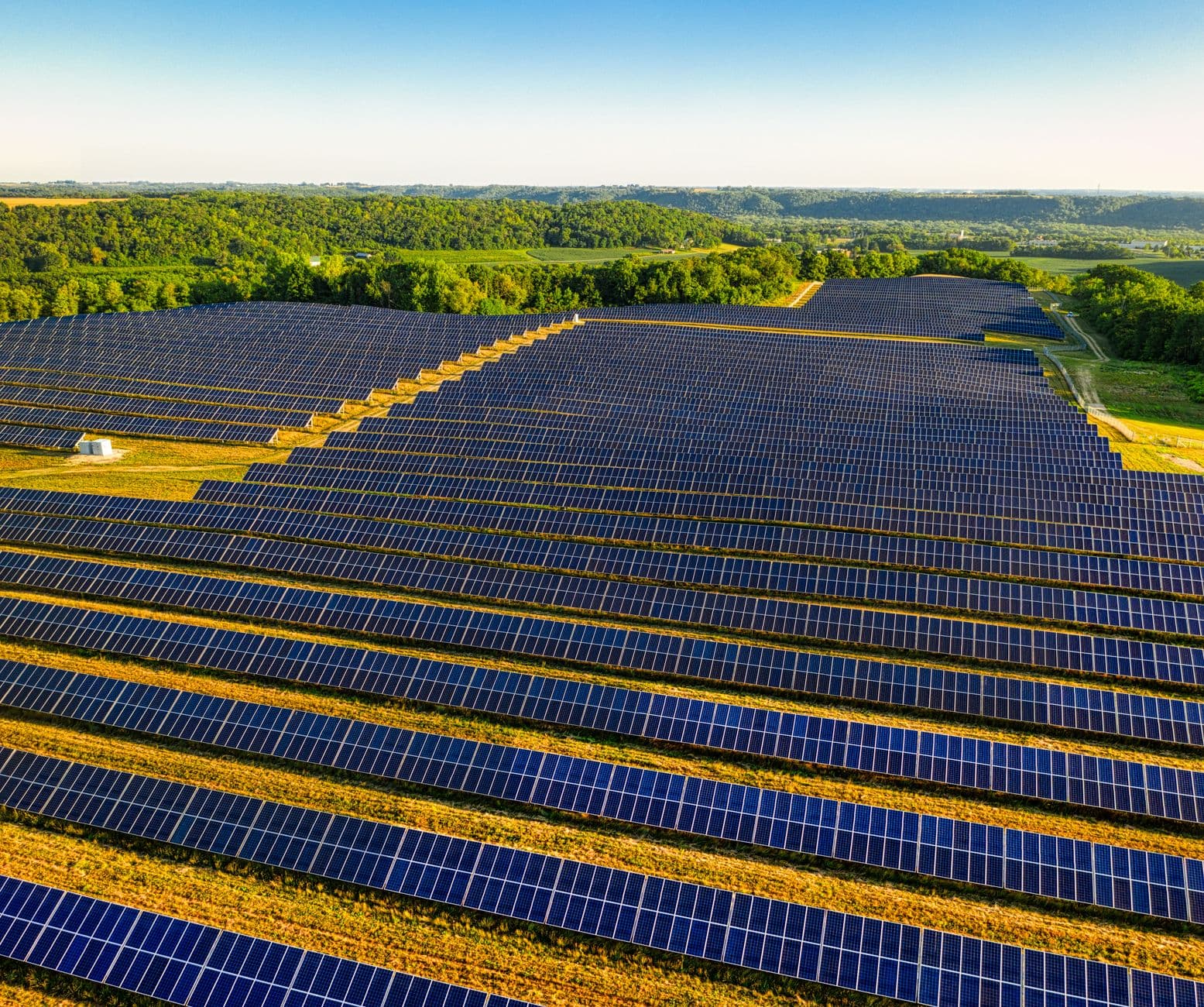
This is the glorious dawn of "Solar Grazing." It’s a term dreamt up by someone who realized that "hiring a shepherd" sounds like a biblical reenactment, but "contracting a biological vegetation management solution" sounds like something you can put in an ESG report. We aren't just farming anymore; we are optimizing the terrestrial interface of the renewable transition. Or, to be more accurate, we’re just putting fences around snacks.
Sheep as a Service (SaaS)
In the old world, a shepherd was a person who lived in a hut and worried about wolves. In the new world, a shepherd is a "Bio-Mowing Contractor" who worries about liability insurance and the precise height of the lower mounting rails on a monocrystalline silicon panel. It’s the ultimate pivot. Why struggle with the fluctuating price of wool when you can charge a utility company by the acre to have your livestock perform the radical act of standing in a field and chewing?
- The overhead is remarkably low, provided you don't mind your employees occasionally getting stuck in a fence.
- There are no firmware updates for a Dorset Horn.
- If the mower breaks down, you don't call a technician; you call a butcher.
California is currently leading the charge by covering its irrigation canals with solar panels, a move that is genuinely clever because it prevents evaporation and keeps the water cool. But the real genius is the realization that the weeds underneath those panels are essentially free calories that the state previously had to pay a guy named Dale to weed-whack. Now, the utility pays for the privilege of feeding your sheep. It’s a business model so circular it’s practically a halo.
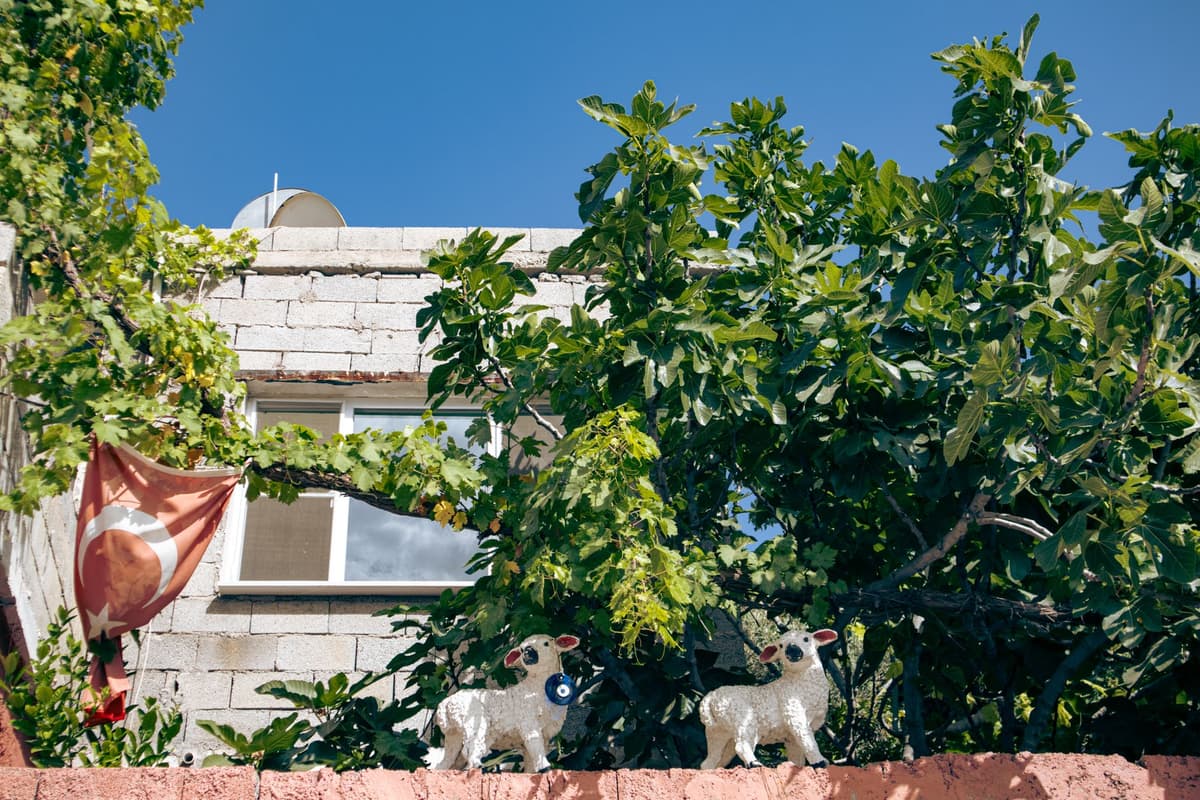
Photo by Zülfü Demir📸 on Pexels
The High-Tech Shepherd’s Resume
To succeed in this brave new world, the modern shepherd needs more than a crook and a loyal dog. They need to understand the structural integrity of galvanized steel. You see, goats were the original candidates for this job, but goats are the anarchists of the animal kingdom. A goat looks at a $4,000 sensor and sees a chew toy. A goat looks at a high-voltage cable and sees a challenge to its mortality.
Sheep, however, are blessed with a total lack of ambition. They are the perfect corporate citizens. They eat, they sleep, and they generally refrain from climbing on top of the equipment to scream at the sun. This makes them the ideal "low-impact" solution for the energy sector. We’ve essentially turned the energy grid into a massive, outdoor petting zoo where the animals are the only ones getting a steady paycheck.
Traditional farming is hard. It’s weather-dependent, low-margin, and involves a lot of paperwork. But "Agrivoltaics" turns the farm into a secondary feature of a power plant. You aren't a farmer; you're a subcontractor for the grid. Your sheep are just fuzzy little gears in a machine that produces both kilowatt-hours and lamb chops. It’s the kind of synergy that makes McKinsey consultants weep with joy.
What This Actually Means
We are witnessing the complete commodification of the pastoral. The image of the lonely shepherd on the hillside has been replaced by a guy in a Hi-Vis vest checking a grazing rotation spreadsheet on his iPad. It’s an admission that for all our talk of AI and automation, we still haven't built anything as reliable as a stomach on four legs.
By 2030, the solar industry is expected to occupy millions of acres of land. If we don't want those acres to become fire hazards or jungles of invasive thistle, we need the sheep. We’ve built a high-tech future that is fundamentally dependent on an animal that hasn't had a software update since the Neolithic period.
It’s a beautiful irony. We are using 12,000-year-old technology to protect the hardware that’s supposed to save the planet from the consequences of the Industrial Revolution. So, the next time you see a solar farm, look closely. You might see the future of the American economy: a sheep, minding its own business, accidentally saving the world one mouthful of clover at a time.
Quick Answers
Why can't we just use robots to cut the grass?
Because robots are expensive, they get stuck in the mud, and they don't produce high-quality wool or mutton as a byproduct of their labor.
Do the sheep ever get electrocuted?
Rarely, as long as the wires are tucked away; sheep are surprisingly good at avoiding work, but they aren't quite smart enough to commit industrial sabotage.
Is this actually helping small farmers?
Yes, by giving them a guaranteed paycheck from utility companies that have more money than sense, effectively subsidizing the existence of livestock through the power bill.