Nobody books a stadium anymore just to watch people sprint 100 meters. Something much weirder is happening around the preparations for the 2026 Asian Games in Aichi Prefecture and Nagoya, where the traditional diplomatic playbook of handshakes and commemorative pins is being traded for automated logistics hubs and clean-room specifications. I keep looking at the budget lines and regional roadmaps for this event, wondering when sports diplomacy quietly morphed into an exhibition for maritime supply chains.
For decades, the ritual of the massive regional sports meet was predictable. A host country spent terrifying sums of money on concrete bowls that would rot within six years, smiled for the cameras, and claimed the world had grown a little friendlier. Now, Japan is preparing to host roughly 15,000 athletes across 40 sports in late 2026, but the rhetoric coming out of the planning committees sounds less like Baron de Coubertin and more like an export-control summit.
The Concrete Era Versus the Silicon Pitch
To understand why Nagoya feels different, you have to look at what it is reacting against. A few years ago, the template for regional projection was Beijing and Hangzhou: overwhelming physical scale, hyper-monumental architecture, and an implicit promise to developing neighbors that partnering with the host meant getting access to massive state-backed construction credit. It was the physical manifestation of the Belt and Road Initiative, built out of poured cement and theatrical drone light shows.
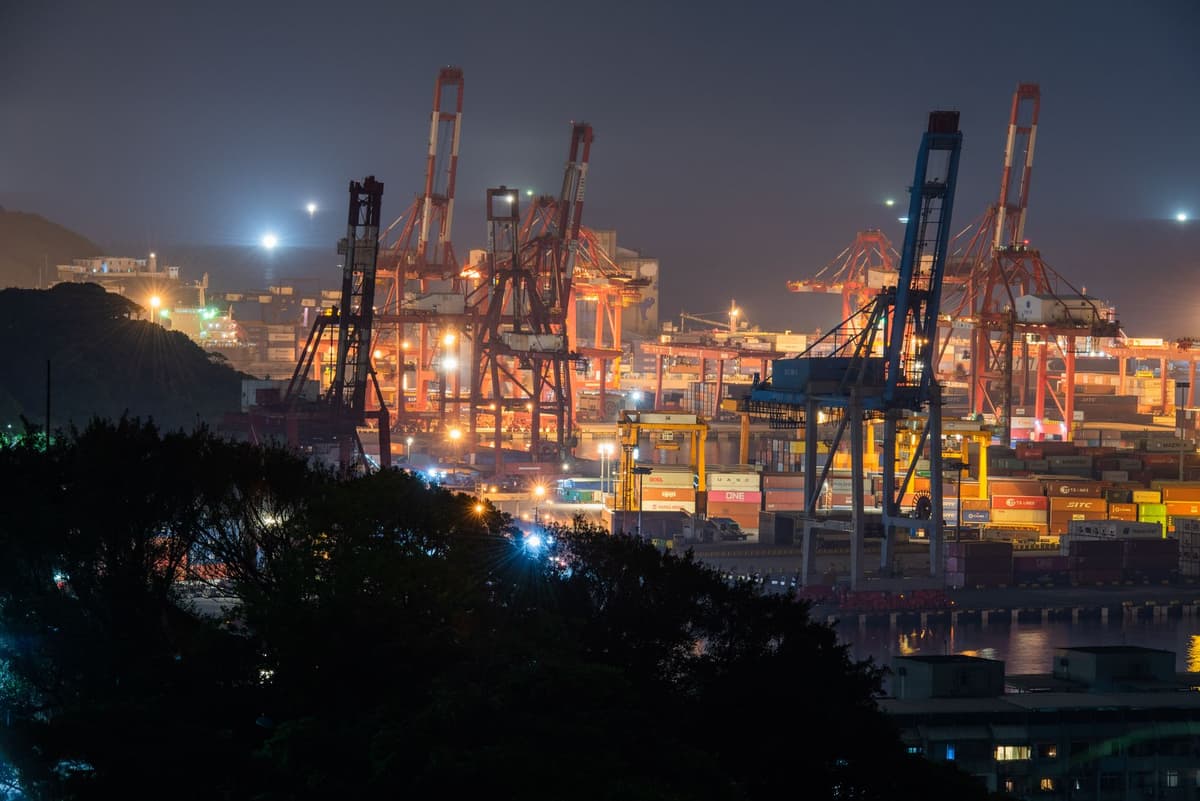
Japan is not playing that game. They cannot afford to, and frankly, nobody in Tokyo seems interested in bankrupting a prefecture just to boast the widest stadium concourse in the hemisphere. Instead, the Aichi-Nagoya bid emphasizes existing venues, decentralized operations, and an aggressive display of industrial plumbing. Aichi is the manufacturing heart of Japan, the home turf of Toyota and an entire galaxy of precision machining and robotics firms that keep global assembly lines moving.
The subtext of the pitch to Southeast Asian and Pacific delegations isn't "look at our magnificent palaces." It is closer to: look at how reliably our machines run, and notice whose standards they use.
- Rather than erecting dozens of brand-new megastructures, planners are dispersing events across existing sites, relying heavily on digital twins and low-emission logistics networks.
- The infrastructure focus centers on autonomous transit systems, hydrogen-powered transit fleets, and next-generation power grids rather than monumental architecture.
- Bilateral side meetings are increasingly framed around tech-transfer transparency, data security, and regional hardware supply chains.
I find myself wondering if visitors from emerging Southeast Asian economies actually care about supply-chain resilience while sitting in the bleachers for a swimming heat. Or does this quiet competence genuinely register as a more appealing counterweight to splashy debt-financed mega-projects?
Can You Brand a Value Chain?
Soft power is an elusive, slippery concept. We usually measure it in pop albums, prestige cinema, or warm feelings about street food. But what happens when a country tries to make soft power out of predictability?
During the 2023 Hangzhou Asian Games, China demonstrated unprecedented digital integration, requiring attendees to navigate an ecosystem anchored to Alipay and domestic facial-recognition tech. It was smooth, totalizing, and unmistakably centralized. In contrast, Japan's planners for 2026 are leaning into open-architecture digital governance, multi-vendor platforms, and verified zero-carbon footprints. The estimated $850 million operational budget isn't just funding track maintenance; it is an active live-fire demonstration of high-tech compliance within a democratic regulatory framework.
Photo by Alexandra Krainyukhova on Pexels
There is a strange, subtle tension here. On one hand, an athletic competition seems like an absurd venue to audition regional logistics partnerships. On the other hand, who actually makes decisions at these events? The stands are populated by sports fans, but the VIP lounges are filled with trade ministers, industrial delegates, and investment bureau chiefs from Jakarta, Manila, and Hanoi. If you want to show a mid-sized developing nation that their future semiconductor chips or automotive components should run through democratic corridors rather than centralized alternatives, showing them frictionless, resilient operations in real time might be smarter than handing them a brochure.
Still, I wonder about the emotional disconnect. Sports are supposed to be about spectacle, irrational pride, and raw emotion. Can an engineering exhibition—no matter how elegant—ever stir the kind of cultural loyalty that raw, theatrical monumentality does?
The Regional Audience Isn't Passive Anymore
The real wild card in this dynamic isn't Tokyo or Beijing. It's the rest of Asia. The countries being courted by this "stadium diplomacy" are not naive audiences waiting to be swayed by a particularly crisp 8K broadcast or a smooth bullet-train ride.
Governments across the Indo-Pacific have spent the last decade becoming world-class shoppers. They take port financing from one power, telecom infrastructure from another, and military training from a third. If Japan uses the 2026 Games to pitch a rules-based, high-trust alternative for digital and physical infrastructure, regional observers won't simply swoon; they will calculate the cost-per-kilometer and the strings attached to the software licensing.
What makes this fascinating to watch is the shift in audience expectations. A generation ago, host nations sold dreams of modernity. Today, the world has seen plenty of empty Olympic villages and abandoned monorails. The new prestige might simply be showing that your stuff works on time, stays within budget, and doesn't lock the buyer into an exclusive ecosystem for thirty years.
What This Actually Means
We might be witnessing the end of the Olympic-style event as a purely cultural calling card. The era of the multi-billion-dollar party thrown simply to prove a nation has "arrived" looks increasingly obsolete, eaten away by cost overruns and public cynicism.
If the 2026 Asian Games succeed on Nagoya's terms, they will establish a different model: the mega-event as a functional stress test. It invites regional partners to inspect a nation's technological nervous system, not its party-planning skills. The stadium becomes less of an altar and more of a showroom.
Whether that actually translates into geopolitical influence remains an open question. You can admire a neighbor's well-engineered power grid while still taking the bigger check from the guy offering to pave your highways for free. But by treating the Asian Games as a testbed for democratic supply chains, Japan is betting that reliability is an acquired taste—one that looks better the longer you live with it.
Quick Answers
Why are the 2026 Asian Games being linked to geopolitics?
Host regions use major events to showcase governance models, and Aichi-Nagoya is deliberately highlighting its industrial base, transparent logistics, and open digital infrastructure as an alternative to state-dominated regional development plans.
Where are the 2026 Asian Games taking place?
The games will be co-hosted by Aichi Prefecture and its capital city, Nagoya, in central Japan—an industrial heartland known globally for advanced manufacturing, automotive engineering, and robotics.
What is 'stadium diplomacy' in this context?
It is the practice of leveraging international sporting host duties not just for goodwill or tourism, but to showcase domestic technological capacity, secure trade partnerships, and project regional leadership to visiting foreign delegations.