The Ghost of Olympics Past
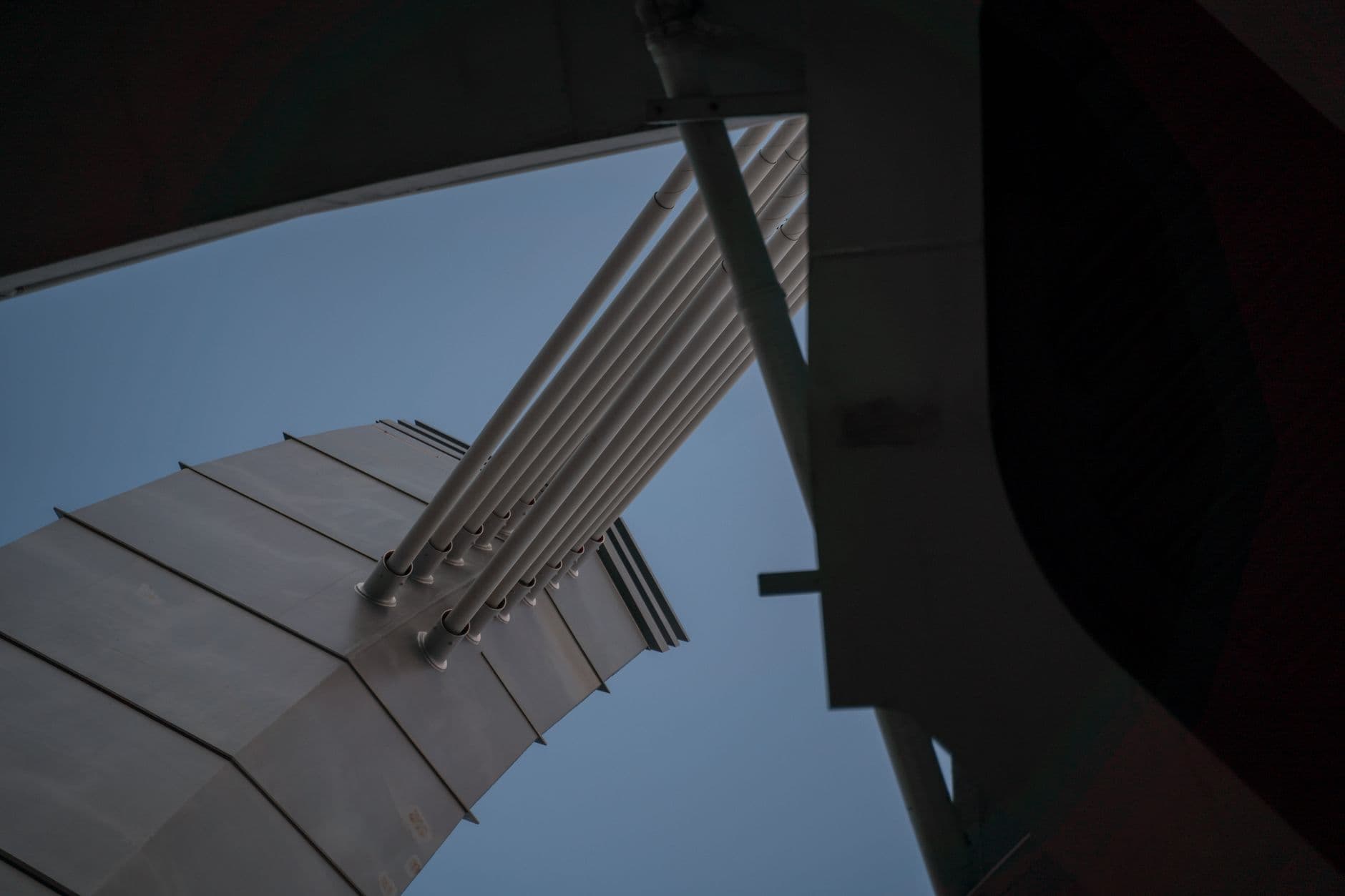
Every few years, we watch a city bankrupt itself to build a series of white elephants. We’ve seen the photos from Rio and Athens—skeletal aquatic centers and weeds growing through cracked stadium seats. It’s a recurring nightmare of 'Master Planning' where a city decides what it needs for a two-week party and then spends forty years paying for the cleanup. But Nagoya is doing something that feels like it was whispered into existence by a software engineer rather than a civil engineer.
They aren't building a new main stadium. They aren't laying down massive new highways that lead to nowhere. Instead, they are treating the city of Nagoya like a living, breathing dataset that needs to be defragmented. It’s called 'Agile Urbanism,' and I’m trying to wrap my head around whether this is the smartest thing I’ve ever heard or a very high-stakes experiment in logistical minimalism.
Solving for X Without Adding More Variables
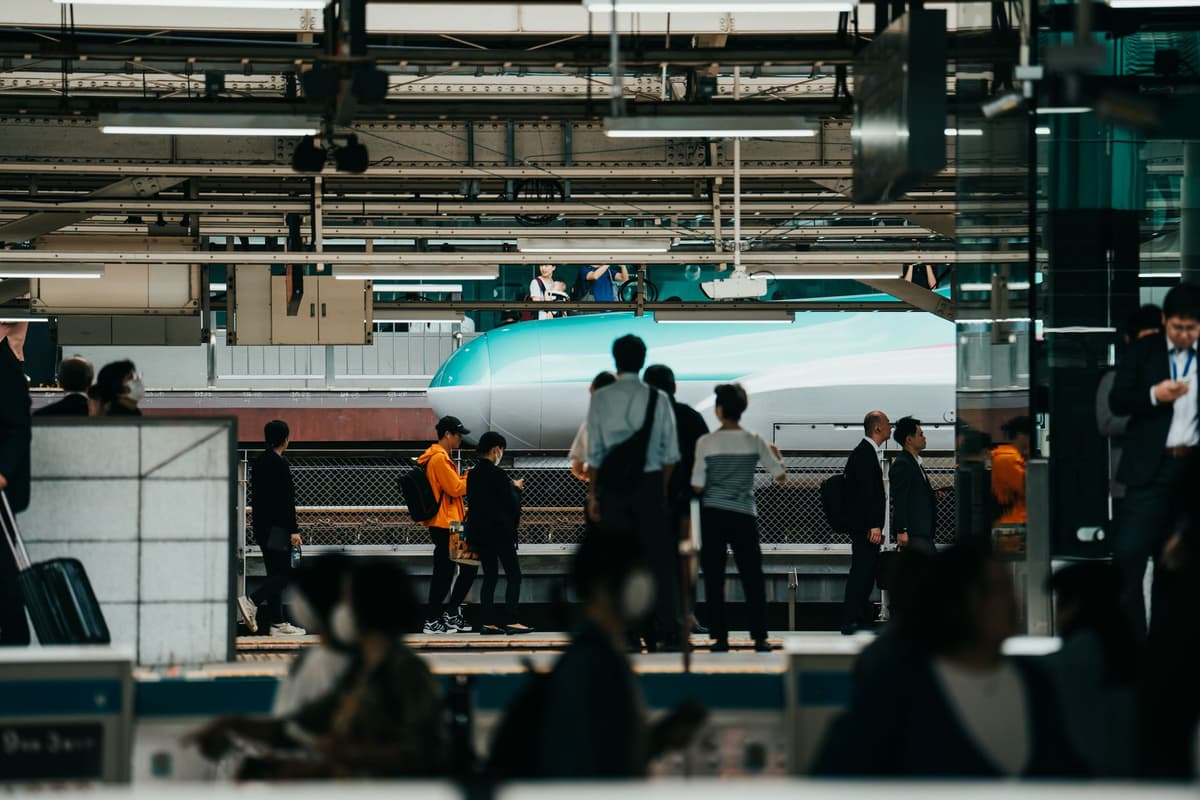
I’m fascinated by the math here. Normally, a host city looks at a gap in infrastructure and fills it with concrete. Nagoya is looking at the gap and filling it with code. They are using multi-modal transit—trains, buses, automated shuttles—and optimizing the existing density to absorb millions of visitors. It’s 'Just-in-Time' planning. If the demand spikes at 4:00 PM in a specific district, the city’s transit algorithm adjusts in real-time rather than relying on a static bus schedule printed three years ago.
- No new Olympic-style village; they are using existing hotels and refurbished housing.
- Zero 'signature' architectural debt for the taxpayers.
- A focus on 'micromobility' to bridge the last-mile gap between stations and venues.
Think about the sheer confidence it takes to tell the world you’re hosting the second-largest multi-sport event on the planet without a single major groundbreaking ceremony. It’s a shift from 'look at what we built' to 'look at how well we function.' I wonder if this signals the end of the architect-as-god era. We might be moving into the era of the urban curator, where the goal isn't to create something new, but to make the existing world work 20% better.
The End of the Master Plan
The 'Master Plan' has always felt like a relic of the 20th century—a static, rigid vision of how people should live, usually designed by someone who doesn't take the bus. Agile Urbanism feels more like a liquid. It’s responsive. By utilizing algorithmic optimization, Nagoya is essentially saying that the city is a platform, not a product. If you have enough data on how people move through the Sakae district on a Tuesday, why would you build a new road for a Saturday event?
This makes me wonder about the psychological impact on the citizens. Does a city feel like a 'host' if there isn't a giant glowing ring in the center of town? Or does it feel better because your morning commute isn't ruined by a decade of construction? There’s a certain humility in this approach that I find incredibly refreshing. It’s a realization that the 'ephemeral infrastructure' of the games shouldn't leave a permanent scar on the geography of the people who actually live there.
What This Actually Means
If Nagoya pulls this off, the 2026 Asian Games will be the blueprint for every mid-sized city with a brain. We are reaching the limit of physical expansion in our most successful urban centers. We can't keep building 'out' or 'over.' We have to build 'into.' This is the 'software update' model of urban planning. You don't buy a new phone every time you want a new feature; you just update the OS. Nagoya is updating the OS of its transit and housing sectors to handle a massive temporary load.
I can’t help but think about how this applies to our own lives. We’re so obsessed with the 'next big thing'—the new house, the new office, the new car—that we forget to optimize the tools we already have. Nagoya is proving that density isn't a problem to be solved with more space; it's a resource to be managed with better intelligence. It’s not about the stadium; it’s about the flow.
By the time the closing ceremonies happen in 2026, the most impressive thing about Nagoya might be that you can't even tell the Games were there. That used to be a sign of failure. Now, I think it might be the ultimate definition of success.
Quick Answers
Is Nagoya building anything at all for 2026?
Technically, very little. They are focusing on 'renovation over innovation,' upgrading existing facilities like the Mizuho Athletic Stadium rather than starting from scratch.
What is 'Agile Urbanism' exactly?
It’s a planning philosophy that uses data and flexible infrastructure to respond to real-time needs, rather than building permanent, static structures for temporary events.
Will this make the Games feel less 'grand'?
Maybe in a traditional sense, but the 'grandeur' is being traded for efficiency and sustainability, which is a much better look in the 2020s.
Can other cities do this?
Only if they already have the baseline density and transit that Nagoya has; you can't optimize a system that doesn't exist in the first place.