The Ghost of Olympics Past Is Rattling Its Chains
Historically, hosting a mega-event is like inviting a giant, hungry bear into your studio apartment for a weekend. You spend $15 billion on a custom-made bear-bed and a golden honey-dispenser, and then the bear leaves on Sunday night, leaving you with a massive pile of debt and a very expensive, bear-shaped piece of furniture that you can't use because you are a human who works in accounting. Nagoya has looked at the 'White Elephants' of the past—those crumbling, weed-choked stadiums in Rio and Athens that now serve as very expensive habitats for stray cats—and decided to just not do that. It is a revolutionary concept in urban planning called 'having a functioning brain.'
We have been stuck in a cycle of 'Olympic-sized' vanity projects since forever. A city wins a bid, the mayor gets a shiny shovel, and suddenly they’re pouring enough concrete to pave over a small European nation. Then, six months after the closing ceremony, the city realizes that nobody in the local neighborhood actually needs a professional-grade velodrome for their morning commute. Nagoya’s 'ephemeral infrastructure' strategy for 2026 is the urban equivalent of using paper plates at a barbecue because you know you’re too lazy to do the dishes later. It’s brilliant, it’s cheap, and it doesn't leave a permanent scar on the skyline.
Modular Architecture Is Just LEGOs for Adults
Instead of building a massive, permanent stadium that will eventually become a depressing monument to a single hurdle race from 2026, Nagoya is leaning into modular architecture. This is basically high-stakes LEGO. They are building seating charts and facilities that can be unclipped, packed into a crate, and shipped away once the athletes stop sweating on everything. It turns out that when you don't treat a stadium like a holy cathedral that must stand for a thousand years, you save a lot of money on maintenance. You don't have to pay for the lighting bill of a 50,000-seat arena in 2034 if that arena currently exists as a series of shipping containers in a warehouse.
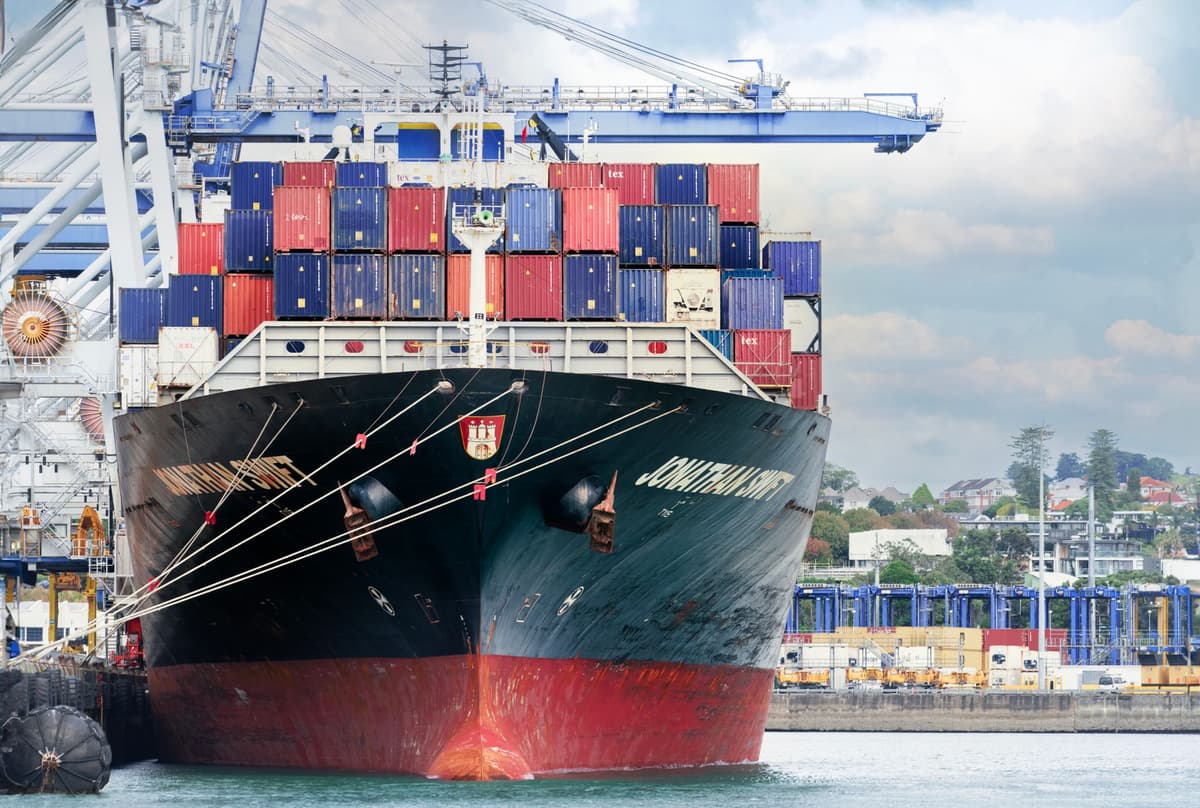
Photo by Miguel Cuenca on Pexels
This 'pop-up' philosophy is the ultimate vibe shift. For decades, we thought 'greatness' meant 'stuff made of stone.' But stone is heavy, and stone doesn't pay rent. By using temporary stands and retrofitting existing schools and community centers, Nagoya is effectively ghosting the traditional debt cycle. They’re using 41 existing venues. That’s like hosting a massive Thanksgiving dinner but telling every relative they have to bring their own chair and also we’re eating in the garage. It’s not cheap; it’s strategically minimalist. It’s the Marie Kondo of sports: if this stadium doesn't spark joy after the gold medal round, we are throwing it in the bin.
The Athletes Village Is Actually Just An Apartment Building
In the old days, the Athletes Village was a sprawling complex built in the middle of nowhere that eventually turned into a ghost town or a very low-quality housing project with weird plumbing. Nagoya is looking at the 2026 Games and saying, 'What if we just... used buildings that people already live in or want to live in?' They are slashing the budget by billions—yes, billions with a 'B'—by refusing to build a shiny new village from scratch. It’s the difference between buying a wedding dress and renting a really nice jumpsuit from Rent the Runway. You still look good in the photos, but you aren't crying over your credit card statement three years later.
There is a specific kind of bravery in being a host city that doesn't want to show off. Usually, these events are a 'look at my muscles' contest for national governments. Nagoya is doing the opposite. They are showing off their spreadsheet skills. They are bragging about how little they are building. In a world of 'bigger is better,' Nagoya is whispering, 'Actually, being able to afford public transit in 2027 is better.' They are prioritizing 'adaptive reuse,' which is a fancy urban planning term for 'using the stuff we already have so we don't go broke.'
What This Actually Means
If Nagoya pulls this off, the era of the 'Mega-Event Debt Trap' might finally be over. We might stop seeing cities go bankrupt because they thought a world-class synchronized swimming pool was a vital piece of infrastructure for a desert climate. The 2026 Asian Games could prove that you can have the spectacle without the spectacular failure that follows. It turns out the 'Legacy' of a sports event shouldn't be a giant concrete bowl that costs $10 million a year to keep from falling over; the legacy should be a city that still has a balanced budget.
We are moving toward a 'plug-and-play' model for global sports. You bring the athletes, we’ll bring the temporary bleachers, and when the party is over, we’ll turn the lights out and go back to being a normal city. No more white elephants. No more thirty-year bonds for a stadium that hosted four games. Just a very well-organized three weeks of running and jumping, followed by a very quiet Monday morning where everything goes back to normal. It’s not just smart; it’s the only way these events survive into the next century.
Quick Answers
Is Nagoya building anything permanent?
Very little. They are mostly sticking to the 'reduce, reuse, recycle' mantra, focusing on upgrading existing spots rather than digging massive new holes in the ground.
Won't it look cheap if it's all 'temporary'?
Modern modular design looks surprisingly slick—it’s more 'high-end tech startup office' and less 'fairground tent.' Most fans won't even notice the stadium is technically a giant puzzle.
Why didn't everyone do this before?
Because politicians love cutting ribbons on massive stone buildings that have their names on them. It’s hard to look heroic while cutting a ribbon on a rented tent.