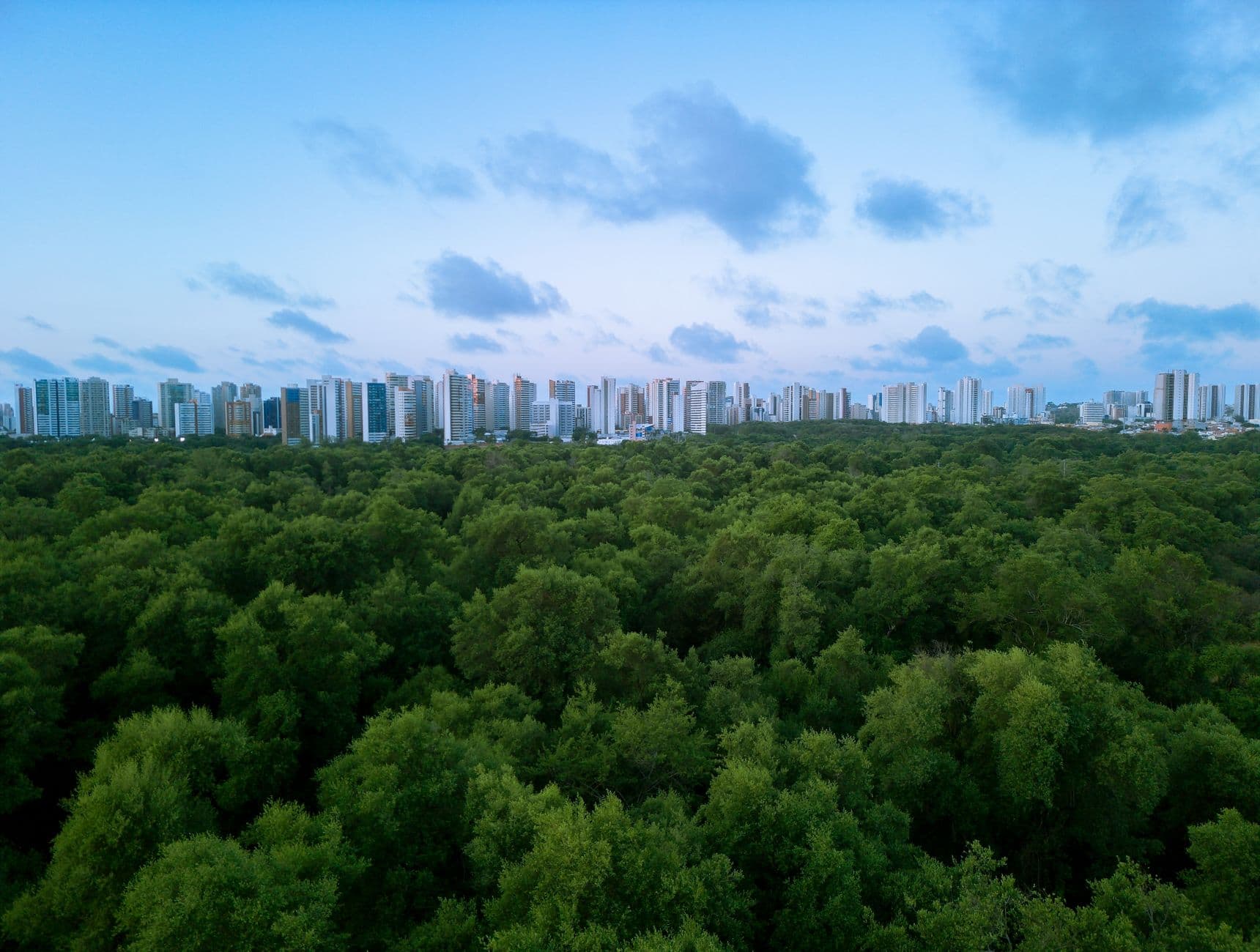
Hosting a major international sporting event used to be an exercise in national vanity, usually measured in tons of poured concrete and billions in high-interest debt. The 2026 Asian Games in Aichi-Nagoya represent a sharp, cold pivot away from this tradition. By adopting a 'modular host' strategy, the organizers are effectively declaring that the age of the architectural monument is over. We are witnessing the birth of the 'No-Build' movement, where the success of an event is measured by how little it alters the permanent skyline of the host city.
For decades, the standard operating procedure for events like the Olympics or the Asian Games was to construct massive, hyper-specialized venues that served no purpose once the closing ceremony ended. These structures become fiscal black holes. The 2026 Games are intentionally rejecting this path, opting instead to utilize existing regional infrastructure across Aichi Prefecture and the city of Nagoya. It is a strategy rooted in the reality of a post-growth economy, where the priority is long-term urban health rather than three weeks of television-ready grandeur.
The Fiscal Necessity of Non-Construction
The math behind the traditional hosting model has been broken for years. Look at the $51 billion price tag for the Sochi Winter Olympics or the abandoned venues rotting in Rio de Janeiro and Athens. Aichi-Nagoya has significantly scaled back its original budget, aiming for a lean $1 billion operation. This isn't just frugality; it is a defensive maneuver against the structural waste that has historically bankrupted municipalities. By distributing events across existing facilities—some of which are located hours apart—the organizers are decoupling the games from the need for a singular, massive Olympic Park.
This decentralized model treats the entire region as a campus rather than a construction site. It acknowledges a hard truth that previous hosts ignored: a stadium is a liability, not an asset. When you build for the peak demand of a single month, you are left with an oversized shell that the local population cannot possibly fill or maintain. The 2026 strategy replaces this 'peak-demand' architecture with a 'distributed-load' philosophy. It is less photogenic for a drone shot, but it is infinitely more responsible for the taxpayers who will be living in the city in 2030.
Modularity Over Monumentality
Architecture has long been obsessed with permanence, but the 'No-Build' movement prizes adaptability and temporary interventions. For the 2026 Games, where existing facilities fall short, the solution is modularity—temporary seating, repurposed shipping containers for broadcast centers, and mobile athlete housing. This shift fundamentally changes the role of the architect from a creator of monuments to a manager of logistics. It is a move away from the 'starchitect' era toward a period of utilitarian urbanism.
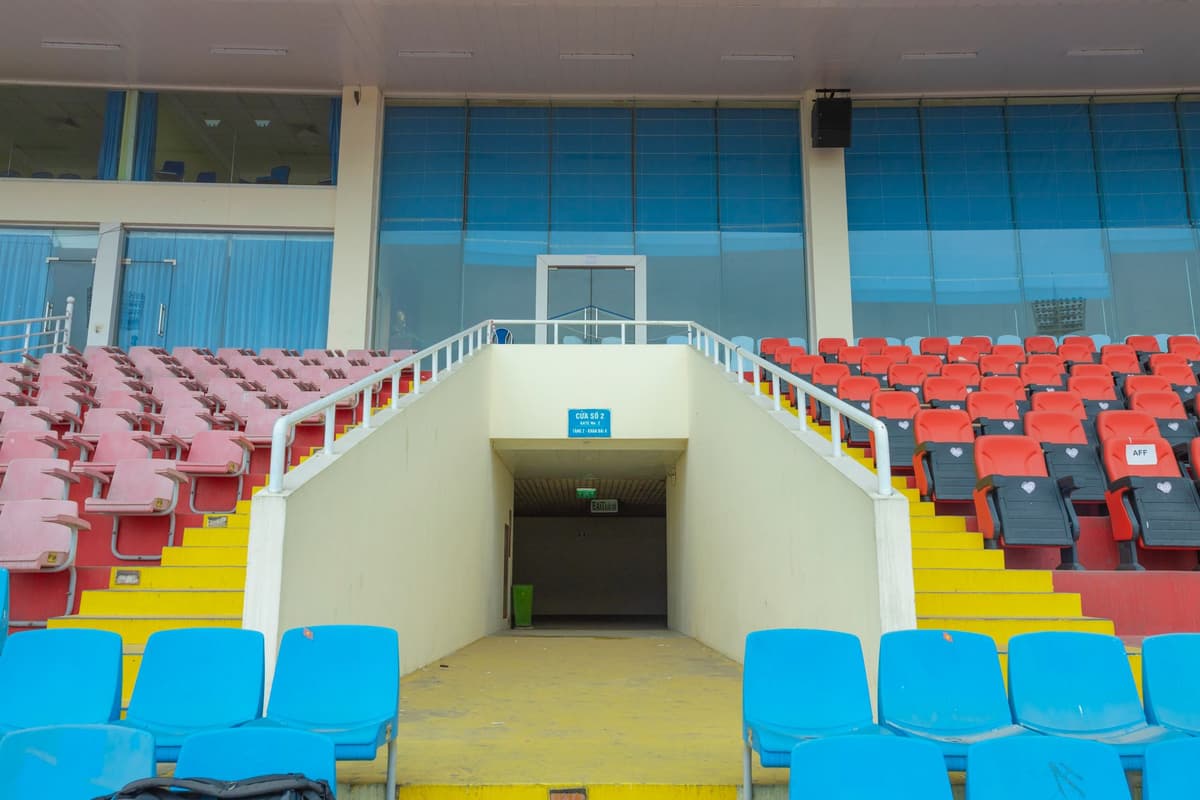
There is a specific dignity in this restraint. It requires more intellectual labor to retrofit an aging gymnasium into a world-class fencing venue than it does to bulldoze a neighborhood and build something new from glass and steel. This approach also addresses the carbon footprint of the games in a way that 'greenwashed' new builds never can. The most sustainable building is the one that already exists. By refusing to pour new foundations, Aichi-Nagoya is cutting the embedded carbon of the 2026 Games by an order of magnitude compared to its predecessors.
The End of the Host City Heroics
We are moving toward a future where the 'Host City' is no longer a single dot on a map, but a network. This decentralization is the only way these mega-events survive. If the cost of entry remains a $10 billion infrastructure bill, the list of potential hosts will eventually shrink to a handful of authoritarian states willing to burn capital for prestige. The Aichi-Nagoya model democratizes the hosting process by making it affordable for functional, democratic mid-sized cities that have to answer to a budget.
This strategy does come with trade-offs. The athlete experience will be different; there will be no central village where everyone mingles in a single high-security bubble. Fans will have to travel further between events. But these are minor inconveniences compared to the alternative of a city burdened by 'White Elephant' debt for the next thirty years. The 'No-Build' movement is a recognition that the city does not exist to serve the event; the event must be squeezed into the existing life of the city.
What This Actually Means
The 2026 Asian Games will be the most important architectural event of the decade, not because of what is built, but because of what isn't. It marks the moment when urban planning finally caught up to the reality of the climate crisis and the volatility of global finance. We are seeing a transition from 'ego-architecture' to 'system-architecture,' where the goal is seamless integration rather than disruptive spectacle.
If Aichi-Nagoya succeeds, it will provide a blueprint for every major sporting body, from the IOC to FIFA. It proves that a city can participate in the global cultural exchange of sports without mortgaging its future. The legacy of these games won't be a crumbling stadium in a vacant parking lot; it will be a balanced ledger and a city that remains unchanged, yet somehow better for having hosted the world. That is the only kind of monument worth building.
Quick Answers
What is a 'White Elephant' in urban planning?
It is a massive, expensive infrastructure project that costs more to maintain than it generates in value, often falling into disrepair immediately after the event for which it was built.
How does 'No-Build' architecture actually work?
It focuses on retrofitting existing buildings, using temporary modular structures that can be dismantled, and distributing events across a wide geographic area to avoid new construction.
Will this make the 2026 Asian Games less exciting?
Only if you define excitement by the size of the stadium; the quality of the competition remains the same, but the logistical footprint is smarter and more sustainable.
Is this model applicable to the Olympics?
Yes, and it is already starting to happen, with the 2028 Los Angeles Games planning to use zero new permanent venues, following the precedent being solidified in Japan.