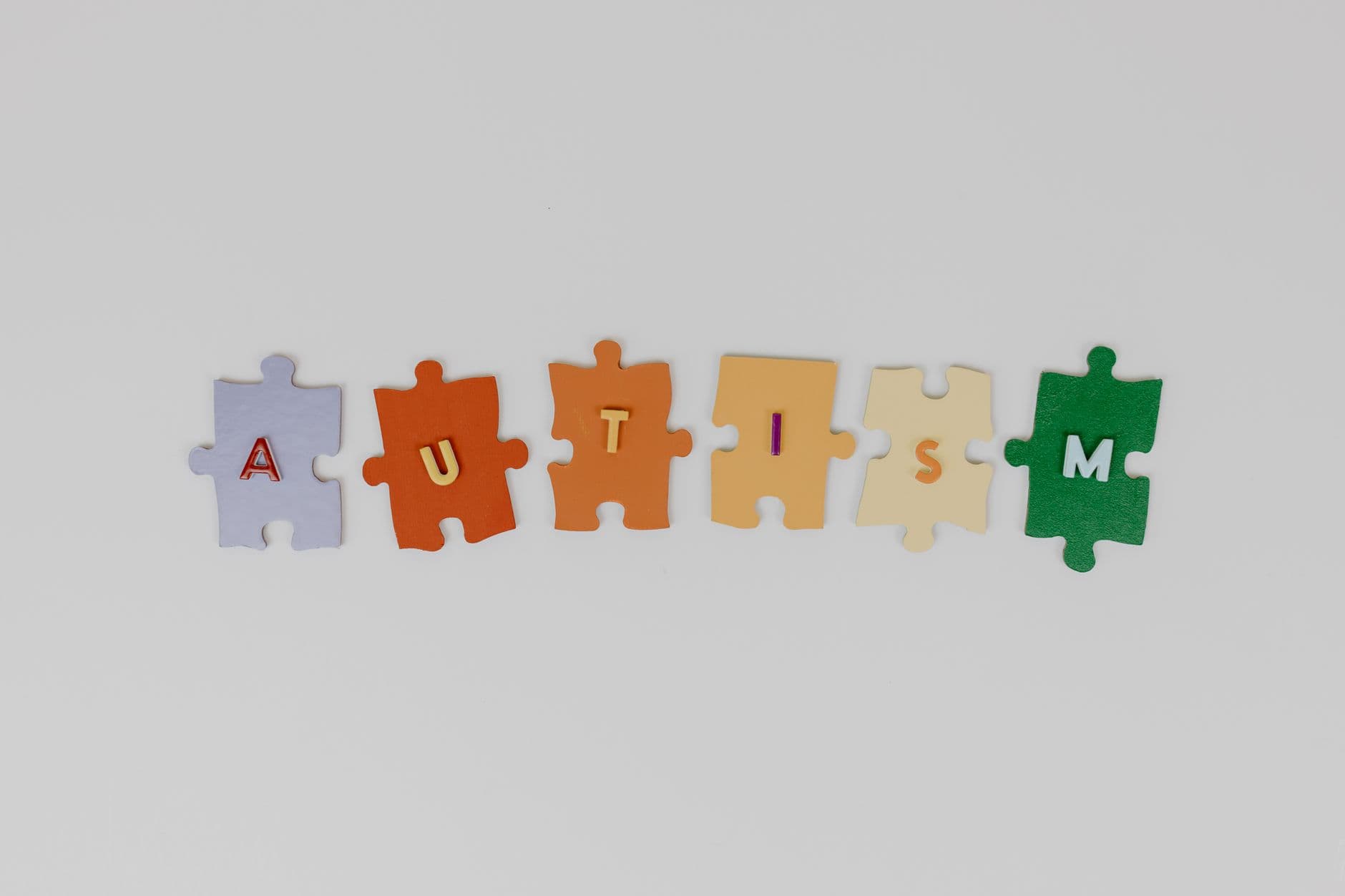
The Asynchronous Architecture of a 2e Mind
I’ve been staring at neuroimaging studies of twice-exceptional (2e) children, and I can’t stop thinking about the sheer unfairness of their biological timing. We usually talk about 'giftedness' as a pure win, like winning a mental lottery. But the data shows something far more chaotic. In a 2e brain—someone who is both highly gifted and dealing with a learning disability like ADHD or autism—the development isn't a smooth upward slope. It’s a jagged mountain range.
Recent studies into asynchronous development suggest that the prefrontal cortex, the part of the brain that handles high-level pattern recognition and social observation, often matures years ahead of the limbic system, which manages emotional regulation. Imagine putting a Ferrari engine into the chassis of a 1990s sedan with faulty brakes. The child can perceive a micro-expression of disapproval from a teacher or a peer with the precision of a high-speed camera, but they lack the neurological hardware to dial down the resulting emotional surge.
This isn't a 'behavioral issue' or a lack of discipline. It’s a hardware mismatch. If your brain is built to notice 40% more social data than the kid sitting next to you, but your 'chill out' center is still running on toddler-level firmware, you aren't being dramatic. You are being overwhelmed by a data stream you can't yet process.
Why Rejection Feels Like a Physical Impact
There is a specific phenomenon called Rejection Sensitive Dysphoria (RSD) that frequently clusters with neurodivergence. For a long time, it was treated as a personality quirk—the 'sensitive' kid who overreacts to everything. But the latest neurobiological research is shifting the conversation toward physiology. When these children perceive rejection, the brain's anterior cingulate cortex lights up. That is the same area that processes physical pain.

Photo by Mohamed Khaled on Pexels
Think about that for a second. To a 2e child, a mild critique of their homework isn't just a 'learning opportunity.' It can trigger a neurological cascade that mimics the sensation of being punched in the gut. The brain doesn't distinguish between the social sting and a physical injury because it’s using the same neural pathways to signal a threat.
I wonder if this is why so many gifted kids eventually burn out or 'mask' their abilities. If every time you stand out or make a mistake, your brain sends a 50,000-volt shock of shame through your system, the only logical survival strategy is to stop standing out. We might be losing some of our best thinkers not because they aren't smart enough, but because the cost of being perceived is simply too high for their nervous systems to pay.
The Overlap of Brilliance and Vulnerability
What fascinates me most is the 'overlap'—the idea that the very thing that makes these kids brilliant is what makes them vulnerable. The heightened sensory perception that allows a child to master complex music or advanced mathematics is the same hyper-sensitivity that makes a crowded cafeteria feel like a battlefield.
- Pattern Recognition: They see the 'glitch' in a social interaction before anyone else does.
- Intensity: Emotional responses aren't 'extra'; they are proportional to the amount of sensory data being absorbed.
- Isolation: Being able to think like an adult while feeling like a child creates a profound sense of 'otherness.'
If we look at the numbers, the prevalence of 2e students is estimated at around 6% of the total gifted population, though many go unidentified. That is hundreds of thousands of kids who are effectively living in a world where the volume is turned up to eleven, but the 'mute' button is broken. I find myself wondering how many revolutionary ideas have been swallowed because the person who had them was too terrified of the physiological fallout of a potential 'no.'
What This Actually Means
We need to stop treating emotional regulation as a moral failing. If a child’s brain is developing asynchronously, telling them to 'stop being so sensitive' is about as effective as telling a person with a broken leg to just walk faster. The sensitivity is the shadow cast by the intelligence. You cannot have one without the other because they are fueled by the same hyper-connected neural networks.
Moving forward, the goal shouldn't be to 'fix' the sensitivity, but to build better shock absorbers. When we understand that RSD is a physiological byproduct of a high-speed brain, we can stop punishing children for their biology. We can start teaching them that their 'thin skin' is actually a highly tuned sensor—one that just happens to be very expensive to operate in a world that wasn't built for it.
If the future belongs to the innovators, we have to make sure the innovators can survive the social friction of the present. That starts with acknowledging that for some people, the world isn't just a place to live; it's a place that happens to them, loudly and all at once.
Quick Answers
Is RSD a formal medical diagnosis?
Not yet in the DSM-5, but it is widely recognized by neurodivergence experts as a common symptom cluster associated with ADHD and 2e profiles.
Can kids just 'grow out' of this sensitivity?
While emotional regulation improves as the brain matures into the mid-20s, the underlying neurological sensitivity usually remains a lifelong trait.
Does being gifted always mean being sensitive?
Not always, but 'overexcitabilities'—a term coined by Kazimierz Dabrowski—are significantly more common in the gifted population than in the general public.