The Chemical Scab We Finally Picked
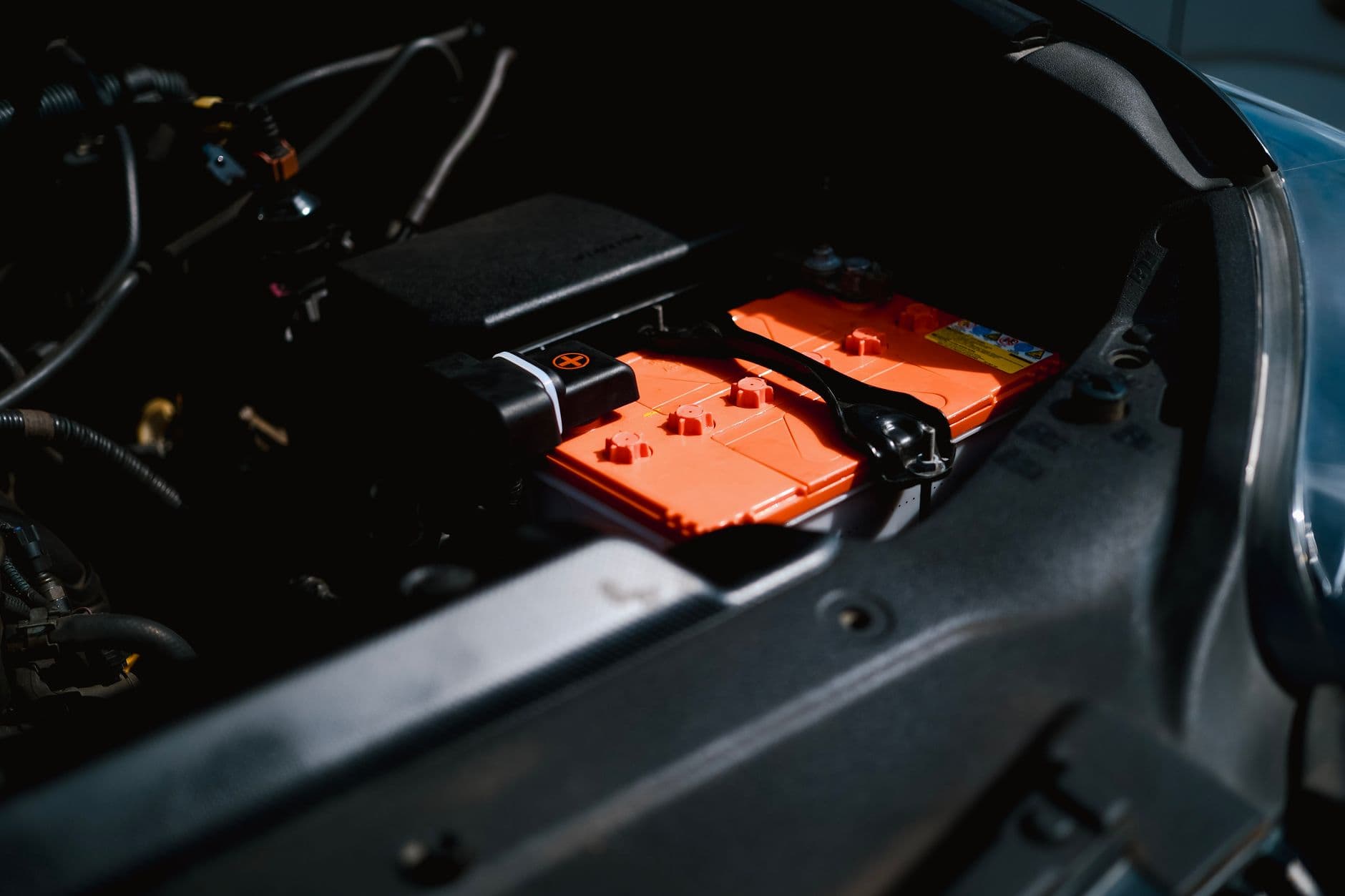
For as long as we have carried lithium-ion batteries in our pockets, we have been told that their decline is a law of nature. You charge it, you discharge it, and eventually, the internal chemistry turns into a sluggish mess of 'dead' lithium. This buildup on the electrode—the solid-electrolyte interphase (SEI) layer—is essentially a chemical scab that grows thicker until the battery can't breathe. We’ve been conditioned to treat this like biological aging: inevitable, irreversible, and expensive.
But a team of researchers just proved that this decay isn't a permanent transformation of matter; it’s a reversible state. By using a specific electrolyte solution to dissolve that 'scab' and redeposit the lithium where it belongs, they aren't just extending battery life. They are resetting the odometer to zero. I keep coming back to the same thought: what happens to the world when the most volatile, fragile component of our lives suddenly becomes a permanent fixture?
If the battery doesn't die, the upgrade cycle stops being a chore and starts being a choice. We are so used to the 'two-year itch'—that moment when your phone starts hitting 20% by lunchtime—that we’ve built our entire consumer economy around it. If that friction disappears, the logic of the sealed-chassis smartphone begins to look less like an engineering necessity and more like a relic of a primitive era.
Engineering for the Long Haul
Imagine a laptop designed to last thirty years. It sounds absurd because we’ve been trained to think of hardware as a fleeting guest, but the 'Eternal Gadget' shift changes the math for every designer in Cupertino or Shenzhen. If the battery is chemically renewable, the rest of the machine has to keep up. We might see a return to heavy-duty materials, modular processors, and screens that are meant to be polished rather than replaced.
- Devices would require 'service ports' specifically for chemical flushes.
- The secondary market for electronics would stabilize because 'battery health' would no longer be a gamble.
- We would move from a model of ownership to a model of stewardship.
I wonder if we’re ready for things that don't break. There is a psychological comfort in the new, but there is a profound dignity in the old that still works. We see it in mechanical watches and cast-iron skillets. Bringing that sense of permanence to a piece of silicon and glass feels like a fundamental shift in how we relate to the objects that define our daily existence.
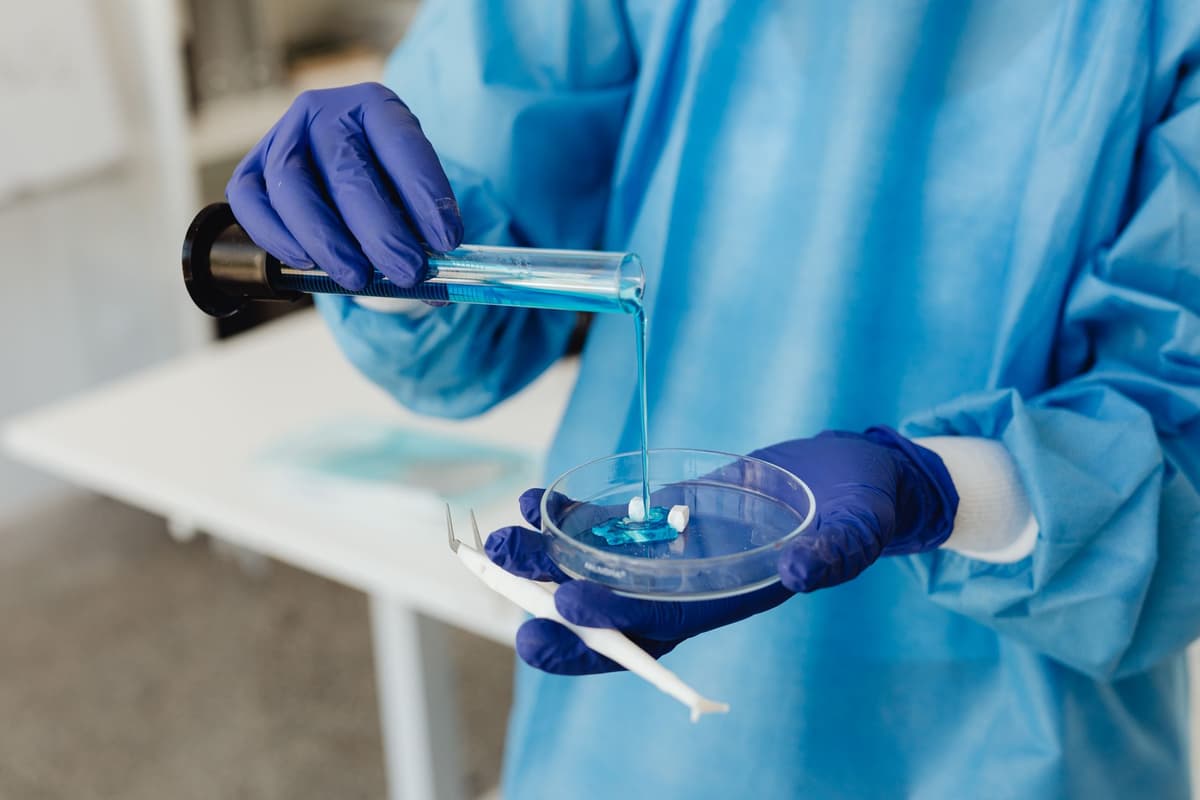
Photo by https://kaboompics.com/ on Pexels
The Business of Not Selling You a New Phone
This is where the curiosity turns toward the boardroom. The consumer electronics industry is a $1 trillion behemoth built on the back of replacement cycles. If I can take my five-year-old tablet to a kiosk, pay $40 for a chemical reset, and walk out with 100% capacity, why would I buy the next model? Companies will have to pivot from selling hardware to selling durability, which is a much harder pitch in a world obsessed with 'thinness' and 'lightness.'
Would they hobble the tech? We’ve seen it before with software updates that slow down older chips. But chemical regeneration is a physical reality that’s hard to hide behind a line of code. If the hardware is capable of a lifetime of service, the software has to be too. It forces a level of transparency that the industry has spent twenty years trying to avoid. I’m fascinated by the idea of a 'Lifetime Guarantee' sticker on a smartphone—not as a marketing gimmick, but as a literal engineering fact.
We might see a divergence in the market: 'fast tech' for those who want the latest gimmick, and 'legacy tech' for those who want a tool they can pass down. It sounds like science fiction, but the chemistry says it’s just engineering. We are looking at the potential end of the 'unrepairable' era, not through legislation, but through a breakthrough in molecular management.
What This Actually Means
The ability to dissolve and redeposit electrode material isn't just a win for your wallet; it’s a total reimagining of our waste stream. Every year, we generate over 50 million tons of e-waste, much of it driven by failing batteries in devices that are otherwise perfectly functional. Shifting to a renewable chemical model would turn a 'disposable' item into a permanent asset, fundamentally decoupling our digital lives from the landfill.
I suspect the transition will be messy. Manufacturers will fight for 'authorized' chemical flushes and try to patent the specific solutions used to reset the cells. But once the genie is out of the bottle—once we know that batteries don't actually have to die—the expectation of obsolescence will evaporate. We will look back at the era of 'sealed-in' batteries the same way we look at lead paint: as a massive, preventable mistake.
Ultimately, this breakthrough asks us what we value in our tools. Is it the thrill of the unboxing, or the reliability of a long-term companion? I think we’re about to find out that a lot of us are tired of the cycle. We don't want more stuff; we want the stuff we already have to just stay alive.
Quick Answers
Does this mean my current phone can live forever?
Not quite—this requires specific hardware designs that allow for electrolyte exchange and electrode cleaning, which current 'glue-and-glass' phones don't support.
When will we actually see this in stores?
Laboratory success is one thing, but scaling this into a consumer-safe 'recharging' station likely puts the first commercial applications in the late 2020s.
Will it make gadgets more expensive?
Initially, yes, because the hardware must be built to survive the battery's lifespan, but the total cost of ownership would plummet as you stop buying new devices every three years.