The illusion that advanced artificial intelligence must remain behind a subscription paywall is dissolving. For the last two years, the narrative has been dominated by proprietary black boxes—tools that offer immense power but require total submission to their terms of service, pricing tiers, and opaque filtering systems. Qwen Image 2.1 disrupts this trajectory by delivering sophisticated multimodal capabilities to the open-source community, proving that state-of-the-art performance is no longer a corporate secret.
This isn't just another incremental update in a crowded field of models. It represents a fundamental democratization of visual infrastructure. When high-tier image understanding and generation become accessible to anyone with a decent GPU, the leverage held by centralized platforms begins to evaporate. We are witnessing the transition of generative AI from a luxury consumer product into a foundational public utility.
The Architecture of Accessibility
Qwen Image 2.1 succeeds because it bridges the gap between text-to-image generation and complex visual reasoning. Unlike its predecessors, which often treated vision and language as separate silos, this iteration achieves a level of cohesion that allows for precise, iterative manipulation of visual data. It handles intricate spatial instructions and nuanced stylistic cues that were previously the exclusive domain of models like Midjourney or DALL-E 3. By making these capabilities weights-available, the developers have effectively handed the keys of the factory to the workers.
The technical benchmarks are telling, but the real impact lies in the removal of the "middleman" tax. Small studios and independent developers can now build bespoke workflows without fear that an API price hike or a sudden change in content policy will bankrupt their business model. This creates a level of stability in the creative tech sector that proprietary models simply cannot offer. When you own the model, you own the means of production in the most literal sense possible.
The Fragility of Digital Ownership
As these models proliferate, the concept of digital art ownership is entering a period of profound instability. If a machine can synthesize a high-resolution, stylistically perfect image in seconds based on a prompt, the traditional value assigned to visual labor undergoes a violent recalibration. We are forced to confront the reality that the "human touch" is becoming a premium aesthetic choice rather than a functional requirement for commercial media.
- The scarcity of visual assets is dead; we are now in an era of infinite abundance.
- Attribution becomes nearly impossible when open-source models can be fine-tuned on specific artists' portfolios in private environments.
- The legal frameworks currently being debated in courts are already three steps behind the technical reality of local execution.
This shift raises uncomfortable questions about the future of the professional illustrator. When the cost of high-quality visual content drops to the price of the electricity required to run the server, the market for mid-tier commercial art will likely collapse. We are not just debating technology; we are witnessing the restructuring of a multi-billion dollar creative economy.
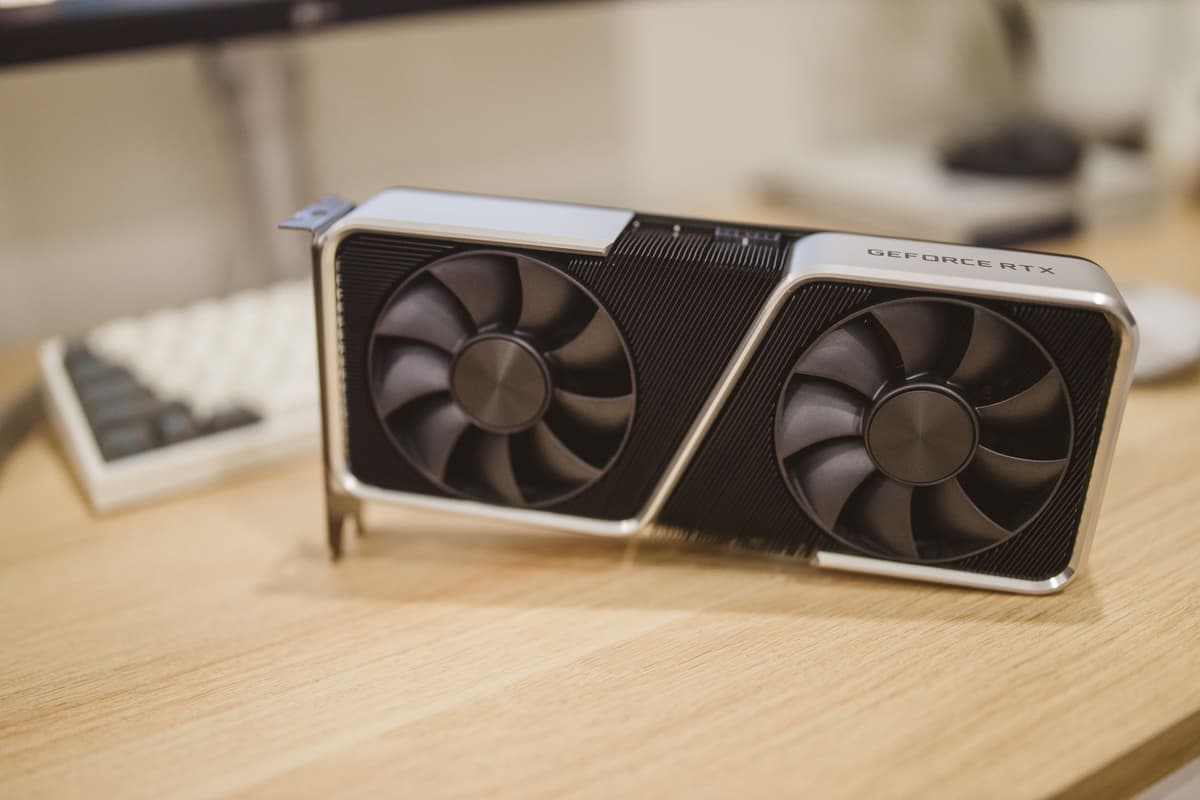
Photo by Trần Chính on Pexels
The Authenticity Crisis in Open Ecosystems
Proprietary models at least offer a veneer of safety through centralized moderation. Open-source models like Qwen 2.1 offer no such guardrails by design. This is the double-edged sword of democratization: the same tool that empowers a small business to create an ad campaign also enables the mass production of hyper-realistic disinformation. In a world where visual evidence can be generated at scale on a home computer, the social contract regarding "seeing is believing" is effectively void.
We are entering a period where the provenance of an image—its verifiable chain of origin—will become more valuable than the image itself. Technologies like C2PA (Coalition for Content Provenance and Authenticity) are attempting to solve this, but their adoption remains sluggish compared to the lightning pace of model releases. Without a robust, industry-wide standard for digital signatures, the open-source revolution may inadvertently lead to a total breakdown in visual trust.
What This Actually Means
The arrival of Qwen Image 2.1 and its peers signifies that the "moat" around big tech’s AI offerings is much shallower than they would have us believe. Compute is still expensive, but the intelligence itself is becoming a commodity. This will force proprietary platforms to pivot from selling access to their models to selling superior user experiences and integrated ecosystems. The technology is no longer the product; the workflow is.
For the individual creator, this is a call to evolve. Mastery of the tool is no longer enough when the tool is ubiquitous and free. The value will shift toward curation, conceptual depth, and the ability to direct these models with a level of intentionality that raw automation cannot replicate. We are moving out of the era of the "generator" and into the era of the "architect."
Ultimately, the democratization of AI is an irreversible process. We cannot put the genie back in the bottle, nor should we want to. The challenges to ownership and authenticity are real and daunting, but they are the growing pains of a world where the power to visualize ideas is no longer restricted by a person's ability to draw or their bank account's ability to pay a tech giant. That is a net gain for human expression, even if the transition is painful.
Quick Answers
Does this mean proprietary AI models are dead?
No, but their dominance is fading. They will likely survive by offering high-speed cloud infrastructure and seamless integration that local open-source setups can't yet match for the average user.
How does this affect small-scale artists?
It lowers the barrier to entry for high-end production but also increases competition and devalues traditional digital skills. Artists must now focus on unique styles and conceptual storytelling to remain relevant.
Is the lack of moderation in open models a danger?
It is a significant risk for disinformation and copyright abuse. However, it also prevents corporate censorship and allows for a level of creative freedom that restricted models prohibit.