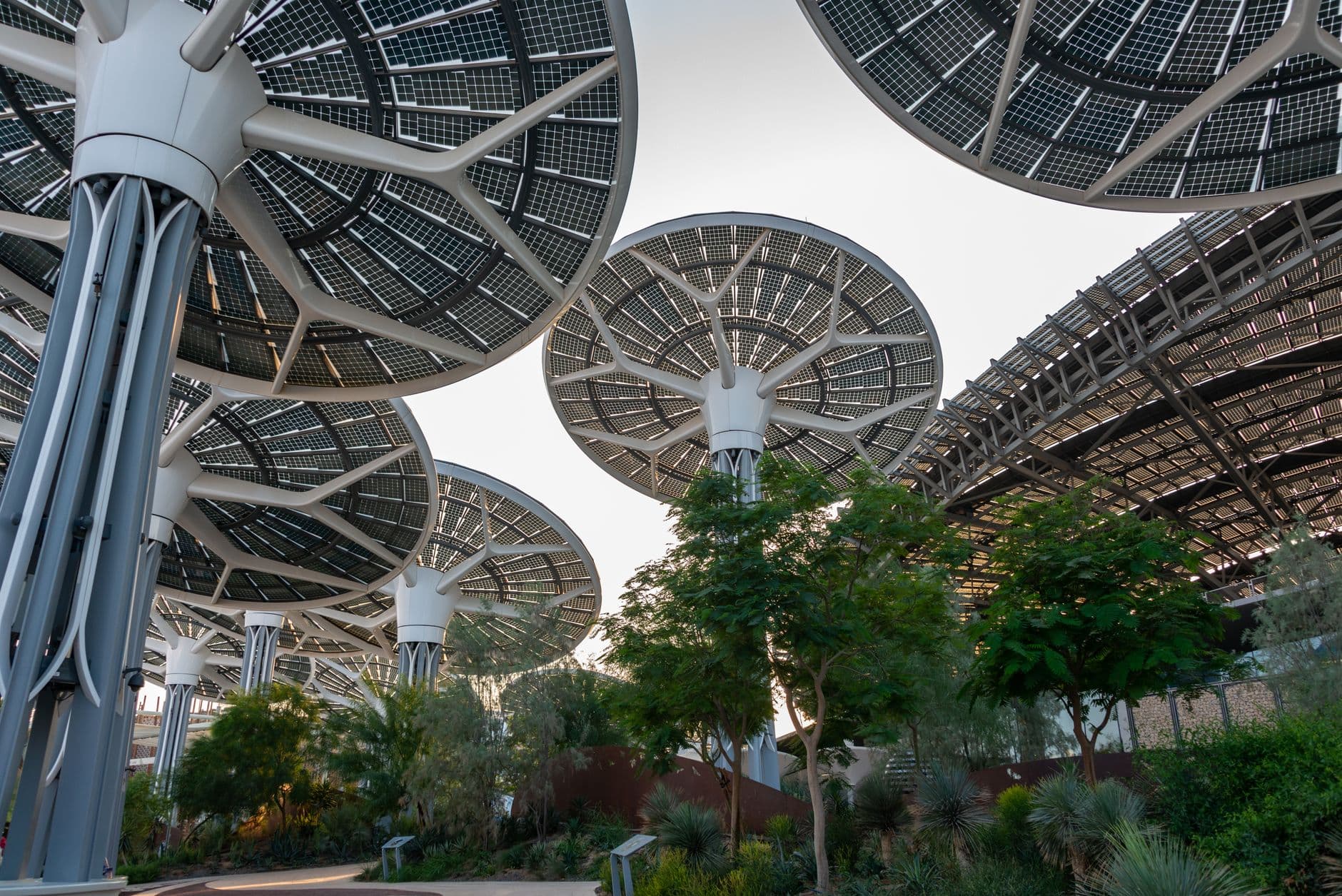
The Monumental Mistake: Building White Elephants for Fun and Glory
For decades, the playbook for hosting a mega-event – be it the Olympics, the Asian Games, or even a particularly ambitious regional dog show – was brutally simple: build big. Like, really, really big. We’re talking concrete behemoths that scraped the sky, designed to inspire awe and, more importantly, to remind everyone that your city, your nation, was a Very Important Place. These weren’t just stadiums; they were monuments to national pride, often at a national debt level. Think of the Sydney Olympic Stadium, a glorious leviathan that, post-games, became a bit of a white elephant, demanding millions in upkeep for events that sporadically filled its seats. It’s like buying a private jet because you might fly to Cleveland once a year.
This approach led to a glorious era of “Olympic hangover” towns. Places would spend billions on infrastructure that would then sit largely empty, slowly crumbling under the weight of their own unused grandeur. It’s the architectural equivalent of a lavish wedding reception where the couple immediately divorces and the venue gets turned into a discount carpet warehouse. Except, you know, more expensive and with more pigeons nesting in the rafters.
Enter the Cardboard Kingdom: The Rise of the Demountable Delight
But a new, frankly more sensible, trend is emerging. Cities preparing for events like the 2026 Asian Games are saying, “Nah, we’re good” to the permanent concrete mausoleums. Instead, they’re embracing the demountable, the modular, the radically temporary. Imagine a stadium that’s less about enduring legacies and more about “here today, gone tomorrow, and good riddance.” It’s like building a Fortnite map – awesome for a while, then you get bored and start a new one.
These aren’t just flimsy tents. We’re talking sophisticated, often pre-fabricated structures that can be erected quickly, used for the event, and then… poof! They’re disassembled, their components shipped off to become parts of other buildings, other events, or perhaps even high-end garden sheds. It’s the ultimate nomadic architecture. The concept is so refreshing, it feels like a design student’s fever dream: what if stadiums were like those pop-up shops, but with actual athletes? Or, even better, like those temporary ice rinks that appear in town squares during winter – a festive, functional marvel that vanishes without a trace, leaving only fond memories and slightly less frostbite than usual.
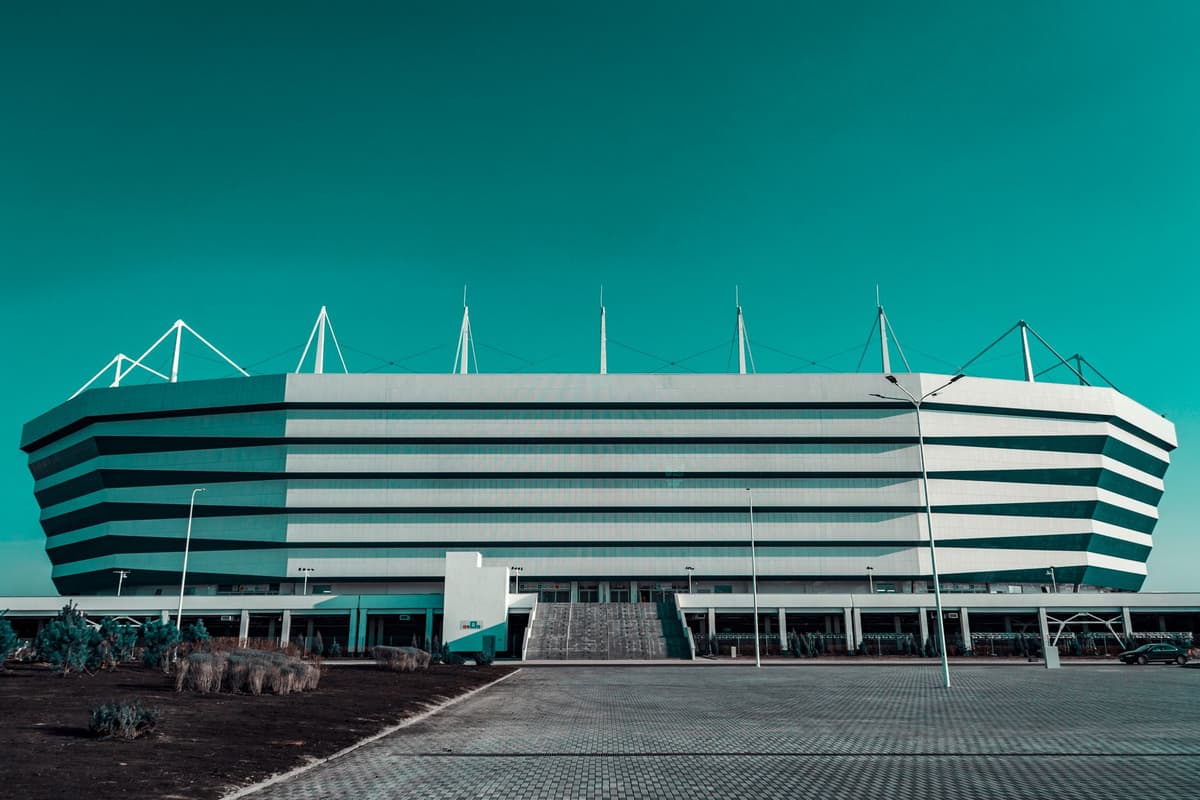
Photo by Artem Saranin on Pexels
The Logic of Less: Sustainability Meets Smart Design
This shift isn't just about avoiding the post-event debt spiral. It’s also a nod to sustainability. Building permanent, gargantuan structures requires immense resources – concrete, steel, the tears of budget planners. Then there’s the ongoing energy consumption for heating, cooling, and lighting these vast spaces, often for minimal use. A demountable stadium, by its very nature, reduces this footprint. Its components can be reused, its materials chosen with a lifespan in mind that extends beyond a single two-week sporting spectacle. It’s a smarter, leaner approach.
Think about it: Instead of a city being burdened with a colossal structure that requires constant maintenance and has a primary function of reminding people of a past event, you get a flexible urban asset. One year, it’s a stadium. The next, the same modules might form part of a temporary exhibition centre, a pop-up concert venue, or even emergency housing (though let’s not get too practical). The potential for creative reuse is enormous, turning a potential financial black hole into a versatile urban toolkit.
When 'Temporary' Becomes the New Permanent
This isn’t just a fleeting fad; it’s a fundamental rethinking of how mega-events interact with urban environments. The idea that a sporting event needs a permanent, purpose-built shrine is being challenged. Why should a city commit to a colossal, immovable object when it could embrace a fluid, adaptable form? It’s like choosing a really good, versatile multi-tool over a single, specialized, and incredibly heavy hammer that only hits one specific nail.
The challenge, of course, is ensuring these temporary structures are still compelling. Nobody wants to watch the 100-meter sprint in a glorified airplane hangar. The architects and engineers working on these projects are tasked with creating spaces that are both functional and inspiring, proving that “temporary” doesn’t have to mean “shoddy” or “soulless.” They’re aiming for the sweet spot between a functional necessity and a temporary architectural marvel. It’s an exciting tightrope walk between environmental responsibility and the primal human need to build ridiculously large things for temporary glory.
What This Actually Means
Ultimately, the move towards demountable mega-event architecture signals a more mature approach to hosting global spectacles. It’s an admission that the “build it and they will come (forever)” model is often a recipe for disaster. Instead, cities are opting for a more pragmatic, agile, and environmentally conscious strategy. They’re learning that the real legacy of a mega-event isn’t a giant concrete shell, but the infrastructure it spurs and the positive memories it creates – memories that don’t require a lifetime of debt to maintain.
So, next time you hear about a city bidding to host a major sporting event, don’t just picture the athletes. Picture the clever, adaptable, perhaps even slightly whimsical, structures that will rise and fall with the tides of global attention. It’s a future where stadiums are less like ancient pyramids and more like extremely well-engineered pop-up tents for the sporting elite.
Quick Answers
Q: What is demountable architecture?
A: It's building structures designed to be easily taken apart and reassembled elsewhere, often using pre-fabricated components. Think of it as very sophisticated, large-scale Lego.
Q: Why are cities choosing temporary stadiums now?
A: To save money on construction and long-term maintenance, and to be more sustainable by reusing components and reducing the environmental impact of permanent builds.
Q: Will these temporary stadiums be less impressive than permanent ones?
A: Not necessarily. The goal is to create innovative, functional, and aesthetically pleasing designs that can still provide a spectacular experience for athletes and spectators, even if they won't stand for 100 years.
Q: What happens to the materials after the event?
A: Ideally, they are reused in other construction projects, repurposed for different uses, or recycled, minimizing waste and maximizing resource efficiency.