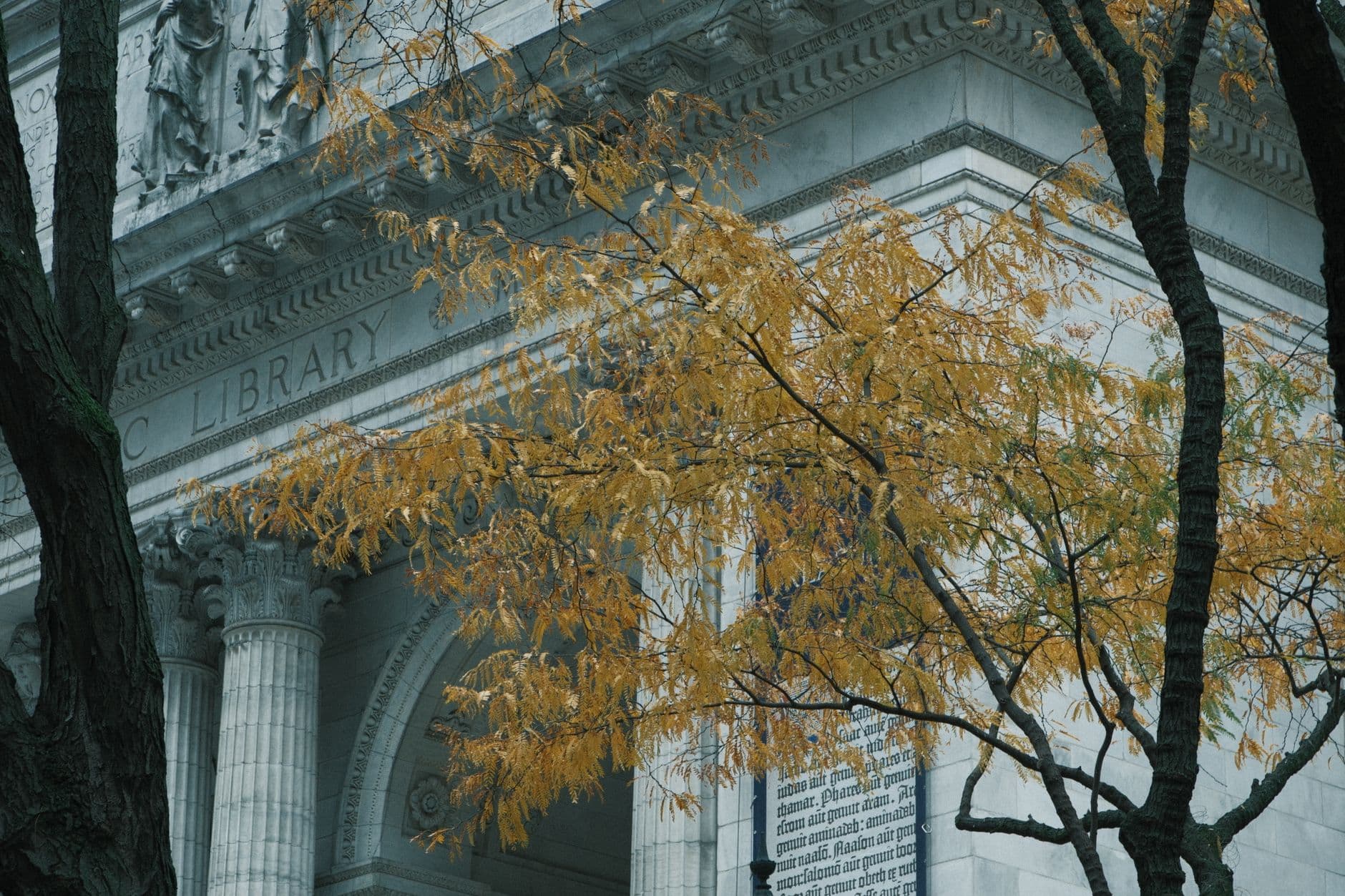
Your Tree Is Not Just Standing There
For decades, we viewed city trees as nothing more than leafy wallpaper designed to hide the fact that we live in a concrete trash-can. They were decorative, like a bowl of wax fruit at your grandmother's house, except with more pigeon poop and the occasional discarded bagel in the branches. But New York City has decided the party is over. Every single tree in the five boroughs is now being drafted into the climate war, and frankly, some of them look overwhelmed.
We are shifting from 'Green Space' to 'Green Infrastructure.' This is a fancy way of saying that the tree outside your apartment isn't a tree anymore; it’s a biological machine with a performance review coming up. The city wants to know exactly how much carbon that maple is eating, how many gallons of rainwater it can drink before it starts to bloat, and how many degrees of localized cooling it provides. It’s essentially Moneyball for shrubbery.
Imagine a Japanese Maple sitting in a cubicle, sweating through its bark because it only sequestered 18 pounds of carbon this quarter when the goal was 22. This is the level of precision we’re talking about. We aren't just planting 'stuff that is green' anymore. We are installing organic air conditioners that happen to occasionally drop acorns on your head.
The Tree as a Hydrological Sponge
When it rains in New York, the city essentially becomes a giant slip-and-slide made of gray water and regret. In the old days, we just built bigger pipes. Now, the city looks at a honey locust and thinks, "That’s a 50-gallon storage tank with better branding." Every tree pit is being re-engineered to act as a precision-calibrated stormwater management system.
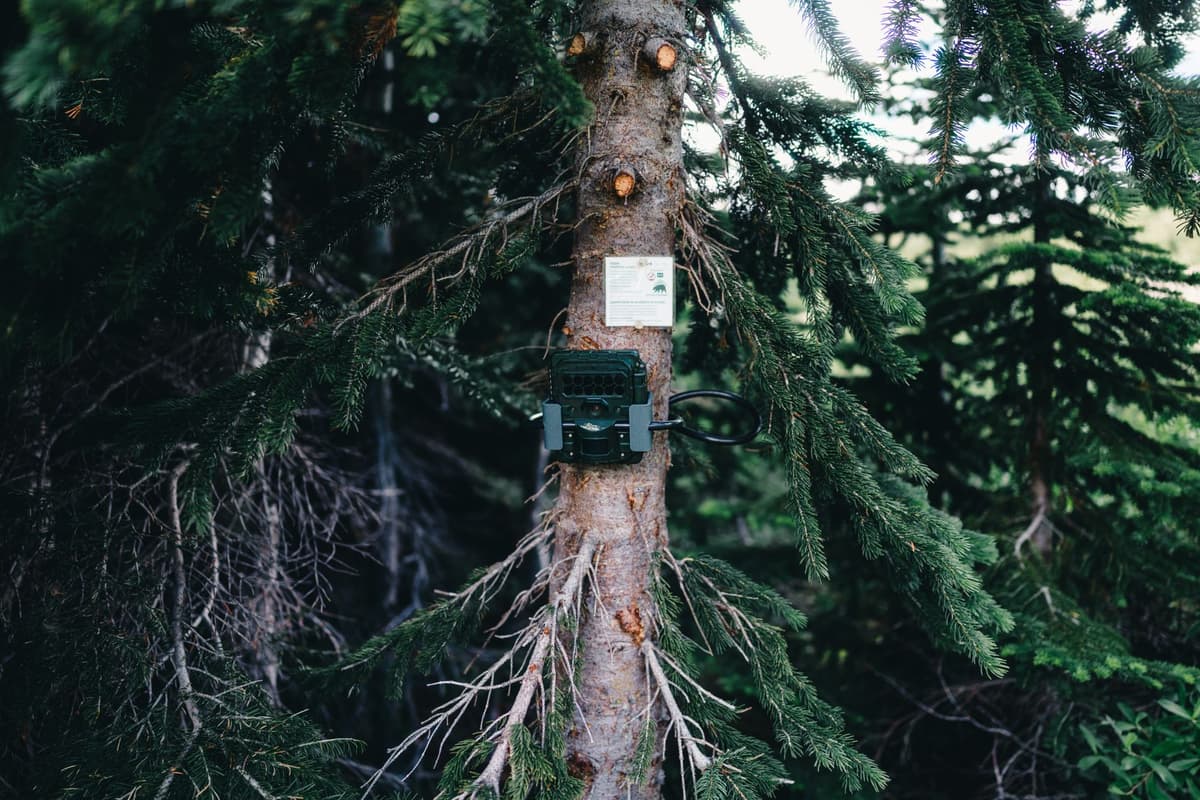
If you see a tree with sensors poked into its trunk, it’s not being audited by the IRS. It’s being measured for its 'transpiration rate.' The city wants to know if that tree is pulling its weight during a flash flood or if it’s just standing there looking aesthetically pleasing while the G train turns into a submarine. We have turned nature into a utility bill.
This precision engineering means we are selecting trees based on their CVs. We don't want the 'pretty' tree that wilts when it sees a drop of salt spray. We want the gritty, blue-collar tree that can drink three inches of rain in an hour and still have the energy to fight off a spotted lanternfly. We are building a literal Green Army, and the entrance exams are brutal.
Climate Control via Photosynthesis
Localized cooling is the new obsession, and for good reason. On a 95-degree day in July, the difference between a tree-lined street in Brooklyn and a bare asphalt slab in Queens is the difference between 'uncomfortable' and 'literally melting into your sneakers.' The city is now mapping these 'heat islands' with the intensity of a diamond heist.
Every tree is being treated as a specific data point in a thermal grid. We aren't just 'greening' the city; we are strategically deploying leafy umbrellas to prevent the sidewalks from becoming outdoor griddles. If a specific London Plane tree isn't lowering the ambient temperature by at least three degrees, it’s basically a decorative failure in the eyes of the data scientists.
I half-expect the Parks Department to start issuing performance-enhancing mulch to underperforming elms. "Look, Steve, your cooling output is down 12 percent since June. We’re going to have to move you to a low-traffic side street in Staten Island if you don't pick up the pace." It’s a high-pressure gig for an organism that doesn't have a nervous system.
What This Actually Means
Ultimately, this transition from 'vibes' to 'data' is the only way a city like New York survives the next fifty years. We have run out of room for giant concrete cooling towers and massive underground drainage basins. We have to outsource the work to things that grow out of the ground. By measuring every leaf and every gallon of sap, we’re finally admitting that nature isn't just something we visit on the weekend—it’s the hardware that keeps the software of the city from crashing.
It sounds cold to treat a tree like a piece of plumbing, but it’s actually the highest form of respect we can give them. We’re finally acknowledging that they do more work than half the consultants in Midtown. We’re putting them on the payroll. We’re giving them a job description.
Next time you walk past a sapling, give it a pat. Don't be weird about it, but acknowledge the hustle. That little guy is currently crunching numbers, drinking runoff, and trying to keep the planet from catching fire. The least you can do is not lock your bike to its ribs while it’s trying to work.
Quick Answers
Is the city actually tracking individual trees?
Yes, the NYC Tree Map tracks nearly 700,000 street trees, detailing their species, diameter, and the specific dollar value of their ecological benefits. It is LinkedIn for plants.
Do trees really cool the city that much?
Absolutely; transpiration and shade can lower surface temperatures by up to 20 or even 45 degrees Fahrenheit compared to unshaded areas. It’s basically a giant, wet, wooden fan.
Can I see the data for the tree in front of my house?
Yes, you can look it up on the NYC Parks website and see exactly how many kilowatt-hours of energy it saves you. Just don't let it go to the tree's head.