The Loneliest Party in the Universe
I spent forty-five minutes last night floating as a legless torso in a virtual plaza, and the only other person I saw was a silent avatar named 'Jeff_92' who was staring at a wall. Meta has funneled over $50 billion into Reality Labs since 2020, a figure so large it defies easy visualization, yet the digital streets remain eerily empty. It makes me wonder if we’ve fundamentally misunderstood what 'immersion' actually means to a human being. We were promised a vibrant, infinite frontier, but what we got feels more like a high-end corporate breakroom that nobody wants to hang out in after 5:00 PM.
Is the problem the hardware, or is it us? We are biological creatures designed for the tactile—the scent of rain, the micro-expressions on a friend's face, the physical weight of being present in a room. When you strap a pound of plastic and glass to your forehead, you aren't entering a new world; you're just blinding yourself to the one you actually inhabit. I find myself constantly asking if the 'friction' tech bloggers complain about is actually a vital safety valve for our sanity.
The Paradox of the Digital Gaze
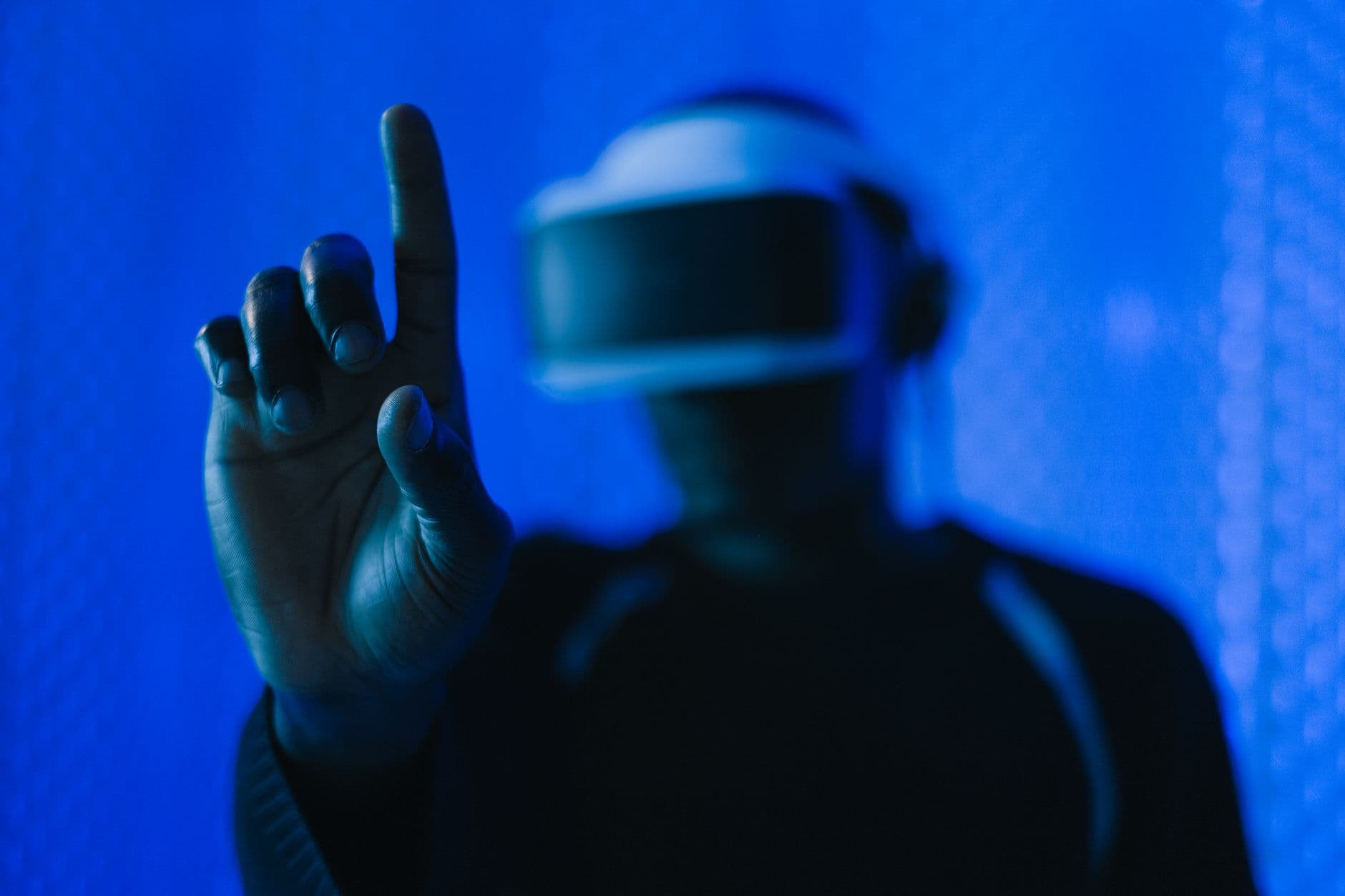
Every time I put on a headset, I'm struck by the sheer technical wizardry required to make a cartoon avatar look at me with simulated eye contact. The Quest 3 is a marvel of engineering, packed with pancake lenses and sensors that track my every blink. Yet, the moment the battery hits 15%, I feel an overwhelming sense of relief when I take the thing off. There is a strange, subtle exhaustion that comes from tricking your brain into thinking it's somewhere it isn't. It’s a cognitive tax we haven't quite learned how to pay yet.
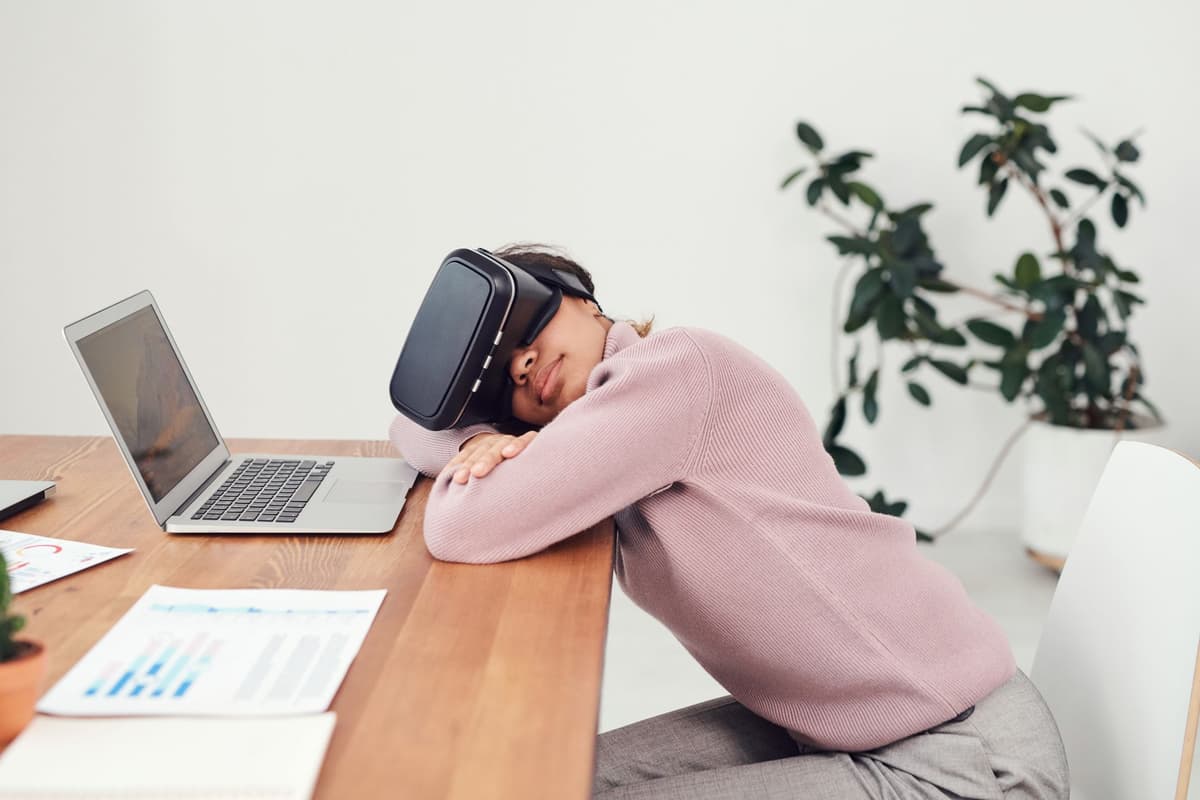
Maybe we don't actually want to be in the internet. The internet has always been a tool, a layer, a library—something we dip into and pull back from. By trying to turn the internet into a place, Meta might be fighting against the very reason we like digital spaces in the first place: their ability to be navigated while we are simultaneously doing something else. You can't scroll the Metaverse while you're waiting for the bus; you have to commit your entire sensory apparatus to it. That’s a massive ask for a generation with an eight-second attention span.
Consider the social dynamics of the early web. We had IRC channels, forums, and Myspace pages that felt alive because they were built on imagination and text. We projected ourselves into those spaces. In the modern VR vision, everything is rendered for us in 4K resolution, leaving very little room for the user to fill in the blanks. I wonder if by making the experience more 'realistic,' they’ve accidentally made it less personal. When everything is simulated, nothing feels spontaneous.
Waiting for the 'Transistor' Moment
Technological history is littered with ideas that were right, just fifty years too early. The first electric car was built in 1890, but it took a century of battery chemistry and infrastructure to make it a reality for the average person. We might be in the 'vacuum tube' era of immersive social tech—bulky, hot, expensive, and prone to failure. If the end goal is a pair of glasses that look like Wayfarers and overlay the digital world onto the physical one, we are still staring at the prototype of a mainframe computer.
- The current weight of a Meta Quest 3 is 515 grams, roughly the weight of a loaf of bread strapped to your nose.
- Battery life across the industry averages about 120 minutes, barely enough for a feature-length film.
- Retention rates for VR headsets are notoriously low, with some reports suggesting half of all users stop using the device within six months.
What would it take to change that? It probably isn't better graphics. It’s likely something more invisible—latency so low the brain can't detect it, or haptics that don't feel like a buzzing phone motor. But more importantly, it needs a reason to exist that isn't just 'it's like Zoom but with hats.' We are waiting for a use case that feels as essential as the smartphone's map or the PC's word processor. Right now, VR is a solution wandering around looking for a problem to solve.
What This Actually Means
The 'Metaverse Winter' isn't necessarily a sign of failure; it’s a market correction for our expectations. We were sold a sci-fi dream that ignored the reality of human biology and the sheer clumsiness of current hardware. Meta is essentially trying to build the city of the future while we're still figuring out how to make the bricks stay together. It’s an audacious, expensive, and deeply weird experiment that might take another decade to reach a 'BlackBerry moment' where it actually fits into our lives.
I suspect the future of 'immersive' tech isn't about leaving this world behind, but rather subtly augmenting it. The most successful social platforms have always been the ones that facilitate human connection, not the ones that try to replace it with a digital facsimile. Until we can feel the warmth of a handshake or the true depth of a room without a headache, the Metaverse will remain a very expensive, very quiet museum of what might have been.
I’m still curious, though. I’ll keep checking in on Jeff_92 in that virtual plaza. Maybe one day he’ll stop staring at the wall and we’ll actually have something to talk about that doesn't feel like a tech demo.
Quick Answers
Is VR dead?
No, but it’s currently in a niche purgatory, serving gamers and industrial training while it waits for hardware to become light enough for daily use.
Why haven't social VR platforms taken off?
They lack 'passive' utility; you have to give 100% of your attention to the headset, which is a higher social and physical cost than most people want to pay.
Will Meta keep spending billions on this?
Yes, because Zuckerberg has positioned it as a hedge against Apple and Google owning the operating systems of the future, making it a strategic necessity regardless of immediate profit.