The Great Migration Away From Being Normal
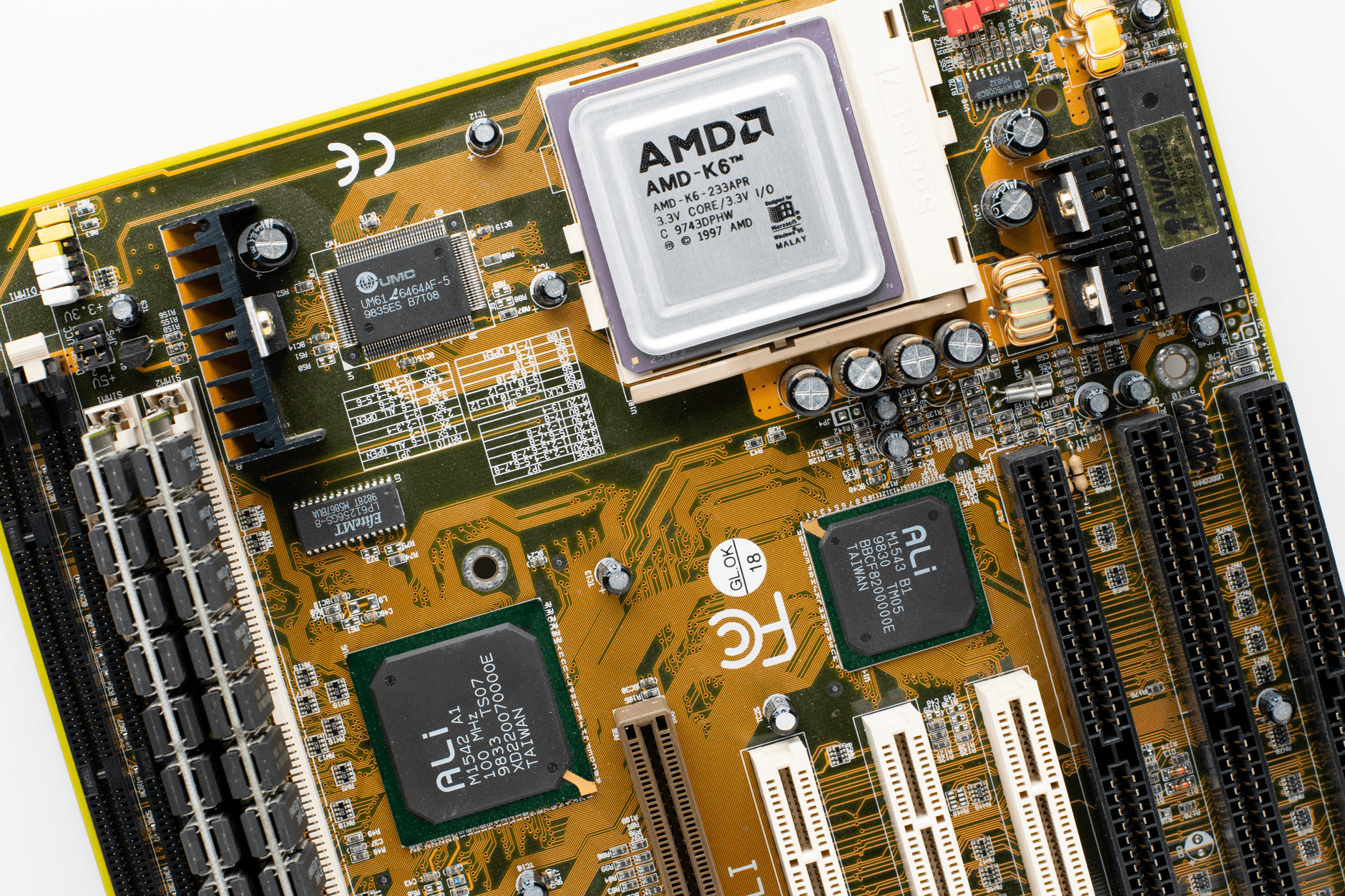
For the last thirty years, personal computing has been as exciting as a bowl of plain oatmeal served in a slightly smaller bowl. You bought a grey rectangle, it ran Windows, and you spent your life waiting for a progress bar to finish while your lap slowly cooked to a medium-rare temperature. But the arrival of mainline Linux support for the Snapdragon X2 has officially ended the x86 monoculture, and we are now fleeing toward ARM like a flock of birds who just realized the birdhouse is actually a microwave.
This isn't just a hardware upgrade; it's a mass exodus from the land of 'It Just Works' to the archipelago of 'It Works If You Know How To Talk To It.' We are entering the Balkanization of hardware. Soon, having a laptop that runs the same architecture as your neighbor's will be considered as gauche as wearing the same dress to the Oscars. If your CPU doesn't require a specialized ritual and a blood sacrifice to boot Debian, you're basically using a glorified calculator.
The Transputer Is Back And It Wants Your Attention
While the Snapdragon X2 is the shiny new toy for the power users who want to pretend they’re productive, the real lunatics are reviving the Transputer. For those who weren't alive in 1985 or weren't spending their weekends reading technical manuals in a basement, the Transputer was a British microchip designed for parallel computing that was supposed to change the world. It didn't. It failed spectacularly, like a high-tech Hindenburg made of silicon.
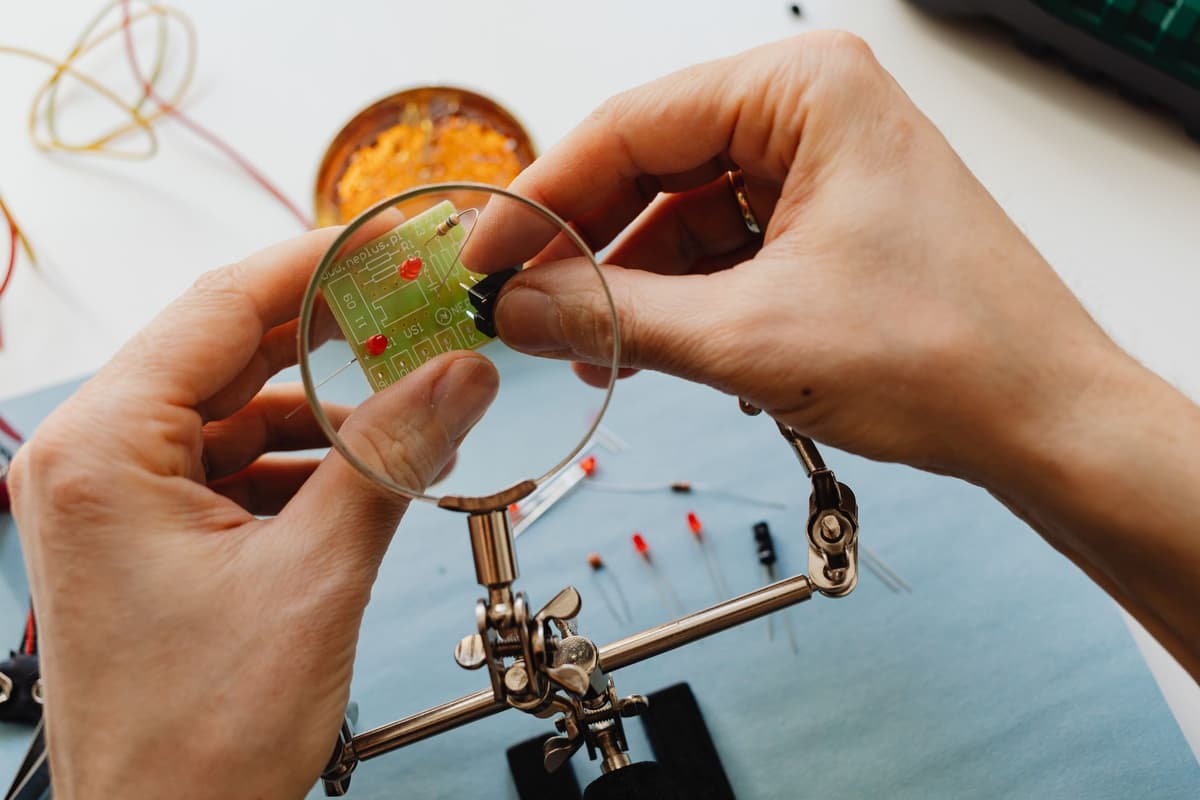
Photo by https://kaboompics.com/ on Pexels
Now, hobbyists are building 'Portable Transputers' because apparently, we’ve run out of modern problems and need to invent new, vintage ones. It’s the computing equivalent of deciding that your daily commuter vehicle should be a penny-farthing bicycle made of carbon fiber. You aren't doing it because it's better; you're doing it because you want to explain to a confused barista why your laptop has sixteen independent processing nodes just to display a text editor.
There is something deeply hilarious about the fact that we’ve reached 'Peak Tech' and our collective response is to go backward. We have machines that can simulate the entire universe, and the internet's brightest minds are currently obsessed with making a chip from the Thatcher era play Doom. It’s beautiful. It’s chaotic. It’s exactly what happens when you give smart people too much free time and access to eBay.
The Bespoke Silicon Snobbery
We are moving toward a world where your hardware choice is a personality trait. In the x86 era, you were either a Mac person or a PC person. Now, you’re an 'Early-Adopter ARM Mainline Kernel Maintainer' or a 'Parallel Architecture Revivalist.' It’s a mouthful, but it’s great for clearing out parties. You can see the light die in someone's eyes the moment you mention that your laptop’s power efficiency is technically superior because you’ve bypassed the HAL entirely.
This fragmentation is creating a new class of digital aristocrats. These are people who refuse to use a chip that was manufactured in quantities larger than a few thousand. If a major corporation provides a stable driver for it, they don't want it. They want the 'bespoke' experience. They want to spend six hours configuring a touchpad driver just to experience the thrill of moving a cursor three inches.
- Phase 1: Buying a Snapdragon X2 laptop because you want 25 hours of battery life.
- Phase 2: Realizing Windows on ARM is just a fancy way of saying 'I can't run my favorite 2004 printer software.'
- Phase 3: Installing Linux and spending three weeks trying to get the Wi-Fi card to acknowledge your existence.
- Phase 4: Success. You can now browse Reddit for 30 hours on a single charge. You have achieved godhood.
What This Actually Means
The 'Second Great Migration' is really just us admitting that we’re bored. The x86 architecture is the minivan of the computing world—it’s reliable, it fits everyone, and it’s soul-crushingly dull. By jumping ship to ARM and weird parallel architectures, we’re choosing to drive a kit-car that we built in our garage. It might explode at 60mph, and the doors don't quite close right, but man, does it look cool in the driveway.
In reality, this shift is forcing the industry to stop being lazy. For decades, software developers didn't have to care about efficiency because Intel would just throw more heat at the problem. Now, with the Snapdragon X2 pushing the limits of what a thin-and-light can do, and hobbyists proving that weird old ideas like Transputers actually had merit, the monoculture is cracking.
We are headed for a future where your computer is as unique and finicky as a sourdough starter. You’ll have to feed it, nurture it, and occasionally scream at it in a language that hasn't been spoken since 1992. And honestly? That sounds a lot more fun than another year of 'The New Surface Pro is 3% faster than the old one.' Give me the weird chips. Give me the broken drivers. Give me the digital chaos.
Quick Answers
Do I need a Snapdragon X2 laptop?
Only if you enjoy explaining to your family why you can't join the Zoom call because your kernel panicked while trying to negotiate with the webcam.
What the hell is a Transputer?
A 1980s dream of parallel processing that died so that your modern multi-core processor could run, but which is now being resurrected by people who think 'convenience' is a dirty word.
Is x86 actually dead?
No, it’s just moving into a retirement home where it can play Bingo and talk about the good old days when 'Cisc' and 'Risc' were the only two options on the menu.
Will Linux actually work on these new ARM chips?
Yes, eventually, but the journey involves more 'tinkering' than a Victorian clockmaker’s workshop on a caffeine bender.