The Hard Power of the Medal Tally
For decades, India’s presence at major multi-sport events was defined by a quiet, almost apologetic participation. That era ended with the 107 medals won at Hangzhou in 2023. As we look toward the 2026 Asian Games in Aichi-Nagoya, the Indian government has shifted its focus from mere sports development to a doctrine of athletic sovereignty. This is not about the joy of the game. It is about utilizing physical prowess to validate a nation’s claim to being a functional, disciplined, and rising superpower. In the cold calculus of international relations, a nation that cannot produce world-class athletes is often perceived as a nation that cannot master its own human capital.
New Delhi’s investment in the 'Target Olympic Podium Scheme' (TOPS) and the massive decentralization of sporting infrastructure are tactical moves designed to erode China’s long-standing psychological monopoly over Asian sports. When an Indian athlete defeats a Chinese counterpart in a high-visibility event, it serves as a non-kinetic demonstration of capability. It signals to the 'Global South' that the Chinese model of state-sponsored excellence is not the only path to dominance. The 2026 Games will be the first real test of whether India can sustain the momentum required to challenge the established triarchy of China, Japan, and South Korea.
Diplomacy by Other Means
India is increasingly positioning itself as the voice of the Global South, and the Asian Games provide a unique theater to perform this role. By hosting pre-game training camps for athletes from smaller South Asian and African nations, India is building a network of 'soft power' dependencies. This is sports diplomacy stripped of its sentimental veneer; it is a calculated effort to create a bloc of nations that look to New Delhi, rather than Beijing, for developmental leadership. The 2026 Games will see India leveraging its performance to advocate for a more multipolar sporting world, mirroring its demands for a permanent seat on the UN Security Council.

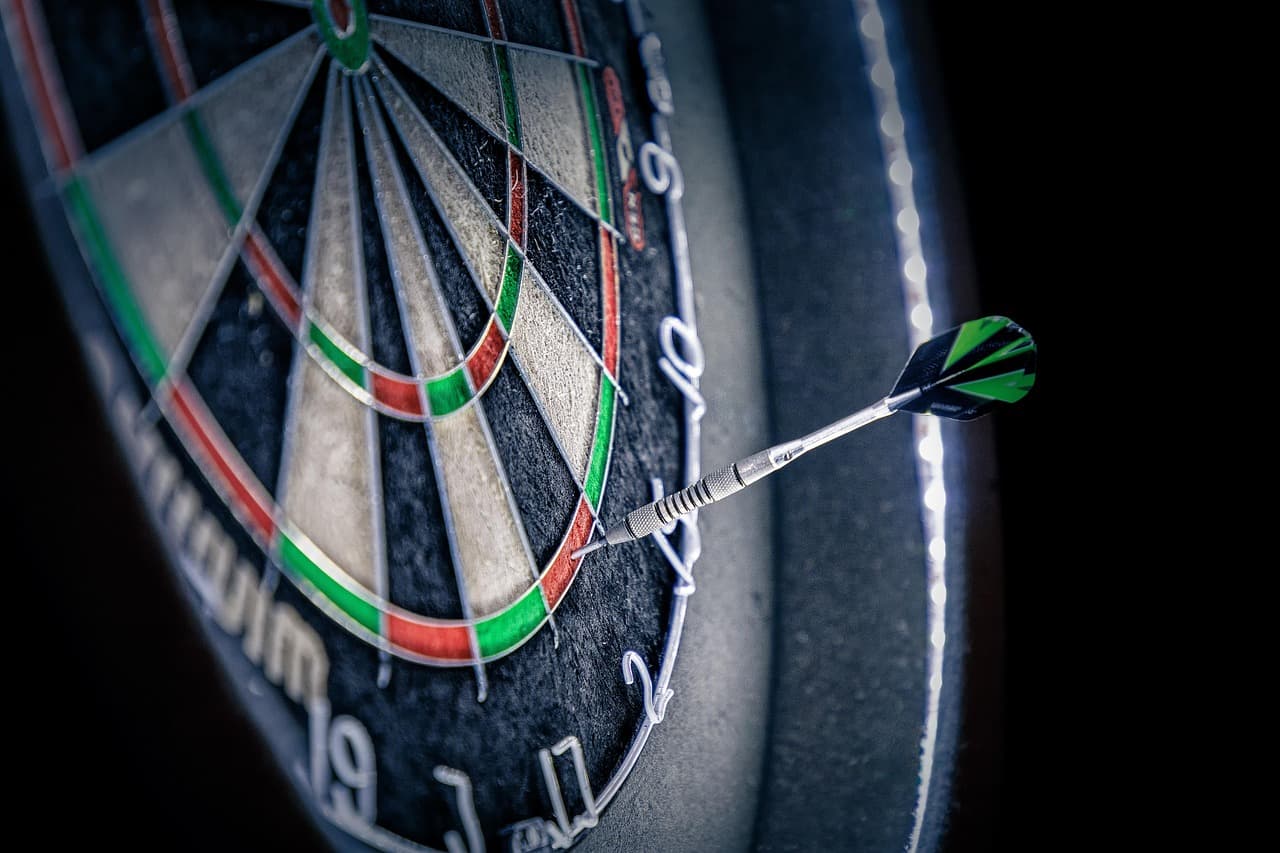
Photo by congerdesign on Pixabay
This strategy hinges on the visibility of success. India knows that diplomatic rhetoric about a 'new Asian century' rings hollow if the nation consistently finishes in the middle of the pack. To project strength, India must dominate in disciplines that require high-tech infrastructure and long-term planning, such as shooting, archery, and track and field. Success in these areas provides the visual evidence of a sophisticated state apparatus capable of managing complex systems. It is an advertisement for Indian governance, aimed directly at regional neighbors who are currently weighing their allegiances between the two Asian giants.
The Infrastructure of Ambition
The financial commitment backing this pivot is staggering. The Ministry of Youth Affairs and Sports saw a budget allocation of approximately $400 million (₹3,442 crore) for the 2024-25 fiscal year, a significant jump intended to peak for the 2026 cycle. This funding is not just for sneakers and coaches; it is for the acquisition of foreign expertise, the integration of sports science, and the construction of elite performance centers that rival those in the West. This is the industrialization of Indian sport, a necessary precursor to the geopolitical influence New Delhi craves.
Furthermore, India is using its 2026 preparations as a dry run for a much larger objective: hosting the 2036 Olympic Games. The performance in Aichi-Nagoya will serve as the primary credential for this bid. If India can secure a top-three finish in the total medal tally, it fundamentally changes the conversation about its readiness to host the world. A successful 2026 campaign would signal to the International Olympic Committee and global investors that India has the organizational discipline to execute large-scale projects, a direct counter-narrative to the logistical failures that plagued the 2010 Commonwealth Games.
What This Actually Means
We must stop viewing international sports as an escape from politics; for India, it has become politics by a different name. The 2026 Asian Games are a microcosm of the broader struggle for hegemony in the Indo-Pacific. Every gold medal is a data point in a larger argument about which system—India’s democratic pluralism or China’s centralized authoritarianism—is better equipped to lead the 21st century. New Delhi is betting that a surge in athletic performance will translate into a surge in national prestige that can be spent in boardrooms and diplomatic summits.
Ultimately, the 'Global South' pivot is about leadership by example. If India can transform from a sporting laggard to a powerhouse in a single decade, it provides a blueprint for other developing nations to follow. This creates a gravitational pull toward India’s sphere of influence. The 2026 Games will not just be about who runs the fastest or jumps the highest; they will be about which nation has the stamina to redefine the hierarchy of the most populous continent on Earth.
Quick Answers
Is India's goal to actually beat China in the medal tally?
Not yet, as China's lead is statistically massive, but the goal is to close the gap significantly and displace Japan or South Korea for the second or third spot. It is about trajectory, not immediate total dominance.
How does this affect India’s relations with its neighbors?
India is using sports as a 'neighbor first' policy tool, offering training facilities and coaching to smaller nations to build regional goodwill and counter Chinese 'stadium diplomacy.'
Why is 2026 more important than previous years?
It serves as the final proof-of-concept for India’s 2036 Olympic bid and a direct test of the massive sports-infrastructure investments made over the last five years.