The Infrastructure of a Heartbeat
Most governments worry about things like interest rates, bridge repairs, and whether the electricity will stay on during a heatwave. Singapore, however, has added 'first dates' to its master list of national priorities. Through the Social Development Network (SDN), the state has effectively turned romantic pairing into a public utility. It’s a fascinating pivot away from the Western idea that love is a chaotic, private miracle that just happens to you in a bar or through a swipe. Here, the government looks at a falling birth rate—which hit a record low of 0.97 in 2023—and decides that the free market of human connection is failing.
They aren't just running a glorified Tinder. They are subsidizing 'dating credits' and certifying private dating agencies like they’re health inspectors checking a kitchen for salmonella. There is something strangely moving about a bureaucracy that cares this much about your Friday night. Is it overbearing? Probably. But in an era where the 'loneliness economy' is worth billions and most of us are staring at glowing rectangles in silent rooms, I find myself wondering if a little state-sponsored nudge is actually more honest than the predatory algorithms of Silicon Valley.
The Certified Wingman
What really gets me is the accreditation process. To be a government-approved dating agency in Singapore, you have to follow a strict set of standards. We’re talking about a Trustmark that tells citizens: 'The government has vetted this matchmaker.' It’s the ultimate seal of approval. If you think about it, we trust the state to tell us which medicines are safe to swallow and which planes are safe to fly. Why do we find it so jarring when they try to tell us which person is safe to grab coffee with?

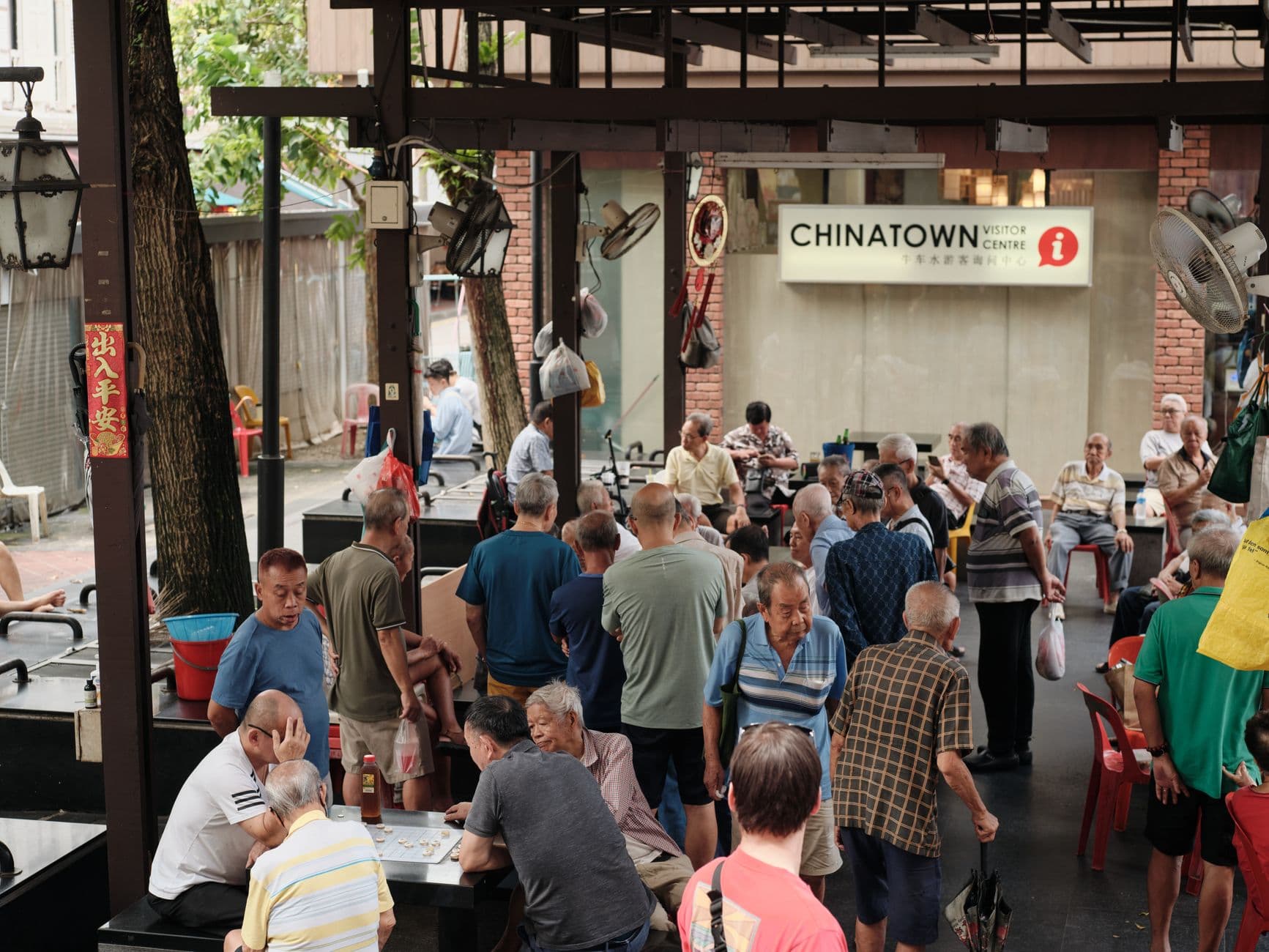
Photo by Leeloo The First on Pexels
This level of involvement suggests that the loneliness of the individual is actually a collective failure. If a citizen is lonely, they aren't productive. They don't have children. They don't buy the four-bedroom HDB flat. By treating intimacy as a commodity that needs regulation, Singapore is admitting that the 'natural' way of meeting people has broken down under the weight of modern work culture. They offer $100 in credits for 'sparking connections.' It’s a literal investment in the hope that two people might actually like each other enough to stop the demographic clock from ticking toward zero.
A Lab for Human Connection
I wonder what happens to the 'spark' when it’s subsidized. If you’re at a state-sponsored wine tasting or a government-funded cooking class for singles, does the air feel different? There’s a psychological weight to knowing that your tax dollars are paying for the appetizers. It turns a date into a civic duty. That sounds cold on paper, but maybe there’s a weird comfort in it. It removes the 'What are we even doing here?' anxiety because the answer is: We are participating in the continued existence of our society.
- The SDN offers a 'Partner Connection Fund' to help organizations run events.
- They provide a 'Dating Practitioners' course to train professional matchmakers.
- Private agencies must meet 'Business Continuity' standards to keep their license.
It’s social engineering, plain and simple. But we are already being engineered by apps that want us to keep scrolling so they can show us more ads. If I have to be engineered, I’m starting to think I’d rather it be by a government that wants me to get married than a tech giant that wants me to stay single and addicted to my screen. One of these entities actually needs me to be happy (or at least partnered) to function; the other just needs my attention.
What This Actually Means
Singapore is the canary in the coal mine for the rest of the developed world. As birth rates crater from Seoul to Rome, the 'private market' of dating is proving to be a disaster. We’ve outsourced our most basic human need—connection—to companies whose stock price depends on us staying lonely enough to keep paying for 'Gold' or 'Platinum' tiers. Singapore is the only place brave (or desperate) enough to say that love is too important to be left to the tech bros.
Whether this works is almost secondary to the fact that it exists. It challenges the fundamental Western assumption that the state should stay out of the bedroom. But when the bedroom is empty, and the population is shrinking, and the loneliness is palpable, the state’s 'intrusion' starts to look a lot like a lifeline. I’m not saying I want a government official to pick my next boyfriend, but I am saying that treating loneliness as a public health crisis rather than a personal failing is a shift we should all be watching.
Quick Answers
Does the Singapore government actually match-make you?
Not directly anymore; they mostly certify private agencies and provide 'dating credits' to citizens to use on approved events and services.
Is it mandatory to use these services?
No, it is entirely voluntary, though the government heavily promotes it through campaigns and financial incentives for young professionals.
Has it actually fixed the birth rate?
Not yet—the total fertility rate continues to drop despite these efforts, suggesting that the problem might be deeper than just 'meeting people.'