The Digital Foundation is Made of Sand and Hope
Imagine you’ve spent the last twenty years building a massive, secret underground bunker. You’ve got reinforced steel doors, laser tripwires, and a high-tech biometric scanner. But then you realize the entire facility is held together by those little plastic bread ties. That is exactly where we are with Git and the SHA-1 hashing algorithm. For the uninitiated, Git uses hashes to identify every single piece of code. If you change a semicolon, the hash changes. It’s the DNA of the software world, except the DNA we’ve been using is currently being eaten by moths.
SHA-1 has been 'broken' since 2005. Calling SHA-1 secure in 2024 is like calling a cardboard box a 'theft-deterrent sleep pod.' Researchers at Google literally created two different PDF files with the same SHA-1 hash back in 2017. They called it 'SHAttered,' which is the kind of nerd humor that makes me want to reboot my own brain. Yet, here we are, seven years later, finally deciding that maybe—just maybe—we should stop using the algorithm that can be tricked by a determined teenager with a decent GPU.
Moving to SHA-256 is the tech equivalent of a kidney transplant for the entire internet. It’s necessary, it’s life-saving, and it’s going to involve a lot of screaming and blood on the floor. We aren't just changing a setting; we are re-writing the fundamental grammar of how code is stored. If this goes wrong, your favorite app might just turn into a pile of digital confetti because its history no longer makes sense to itself.
Why Developers Hate Change More Than Sunlight
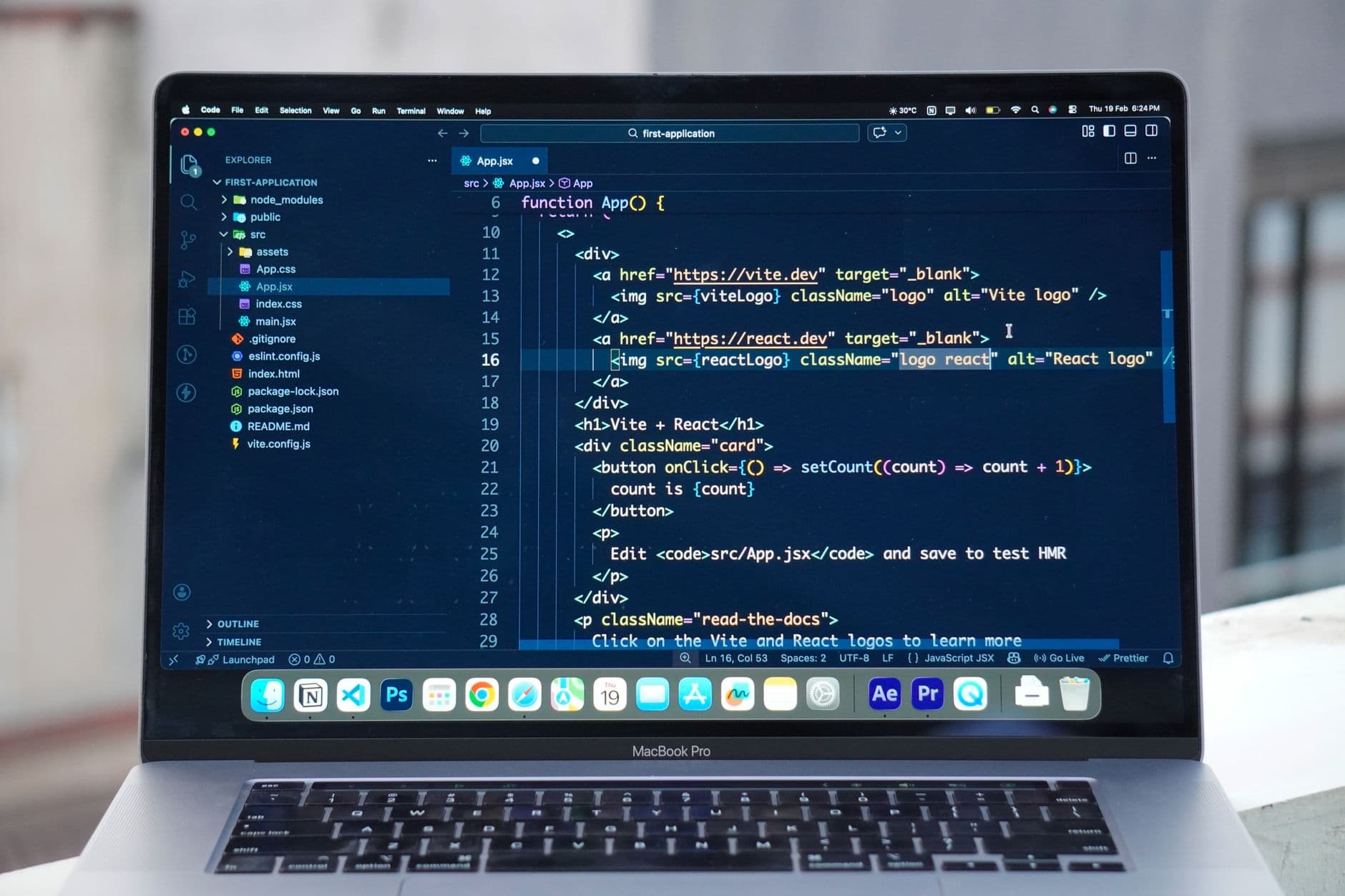
Software developers will happily spend fourteen hours automating a task that takes five minutes, but ask them to update a foundational dependency and they’ll hiss at you like a disturbed cat. The 'Cryptographic Debt' here is staggering. We have billions of lines of code sitting in repositories that rely on SHA-1. Switching to SHA-256 is like telling a city they have to change the shape of every single brick in every single building from a rectangle to a hexagon, but the buildings have to stay standing while you do it.

Photo by Hc Digital on Pexels
The sheer comedy of 'backwards compatibility' is the star of the show here. Git 3.0 has to figure out how to talk to Git 2.0, which is like trying to get a Gen Z TikToker to communicate with a 14th-century monk using only interpretive dance. If you clone a new SHA-256 repo with an old client, the client is going to look at those long hashes and assume it’s had a stroke. It’s a high-stakes gamble where the prize is 'everything keeps working' and the punishment is 'the global supply chain catches fire.'
We’ve ignored this for so long because SHA-1 was 'good enough.' It’s the 'this fine' dog meme, but the dog is wearing a hoodie and trying to push a hotfix to production. We knew the collision attacks were coming. We knew the math was failing. But fixing it is hard, and we had more important things to do, like inventing new JavaScript frameworks that nobody asked for and arguing about whether tabs or spaces are superior. (It's tabs, by the way. Fight me.)
The Invisible Infrastructure Gamble
This isn't just a nerd problem. If the transition to Git 3.0 stutters, it affects everything from the banking software that manages your 'zero dollars and zero cents' balance to the firmware in your smart toaster. We are talking about the 'plumbing' of civilization. Usually, when plumbing breaks, your basement floods. When digital plumbing breaks, your 'Secure Bank Login' suddenly thinks it’s a recipe for vegan lasagna.
There is a legitimate fear that we will end up with a fragmented ecosystem—a 'Great Schism' of version control. Half the world on the old, insecure, comfy SHA-1, and the other half on the new, shiny, terrifying SHA-256. It’s like the metric system vs. imperial units, except instead of losing a Mars rover, we lose the ability to verify that the code we’re downloading hasn't been replaced with malware by a guy named Boris in a basement in Omsk.
Photo by tom analogicus on Pexels
The irony is that the average person will never know this happened. If the engineers succeed, it will be the most expensive, stressful, and labor-intensive 'nothing happened' in human history. We are spending millions of man-hours just to stay exactly where we are, but with slightly better math. It’s the ultimate treadmill. We run as fast as we can just to keep the 'Delete' key working.
What This Actually Means
In the short term, expect a lot of very tired developers drinking an alarming amount of caffeine and staring at terminal windows with the intensity of a hawk watching a field mouse. You’re going to see 'Git 3.0' in the tech headlines, and you should probably give your local IT person a hug, or at least a high-quality whiskey. They are currently performing open-heart surgery on the internet while the internet is trying to run a marathon.
This is a massive wake-up call about how much of our world is built on 'temporary' fixes that lasted thirty years. We love to talk about the 'cutting edge' of AI and quantum computing, but the cutting edge is currently being held on by a rusty bolt from 1995. Transitioning to SHA-256 is a necessary exorcism. We are casting out the demons of lazy cryptography so we can make room for the new, more sophisticated demons of 2025.
Ultimately, the move to Git 3.0 is a victory for the 'Boring but Important' school of thought. It’s not sexy. It won't generate a single AI image of a cat in a space suit. But it will stop the foundation of our digital lives from collapsing into a pile of hash collisions. And honestly? I’ll take a boring, secure foundation over a 'revolutionary' one that leaks my social security number to a smart fridge any day of the week.
Quick Answers
Will this break my computer?
No, unless you are still running your business on a computer from 2004 that you found in a dumpster. In that case, you have bigger problems than Git hashes.
Do I need to do anything?
Probably not. Just update your Git client when the little pop-up tells you to, and pray that the people who write your favorite apps didn't hard-code SHA-1 lengths into their systems like idiots.
Is SHA-256 actually safe?
For now. Until someone builds a quantum computer that works for more than three seconds, or a mathematician has a very bad idea at 3 AM, we’re good. Check back in fifteen years when we’re panicking about moving to SHA-3.