We spent three decades exiling high-performance computing to sterile suburban industrial parks, treating digital infrastructure like an embarrassing sewage system that simply needed to be hidden behind berms and chain-link fences. That model is dead. Next-generation silicon has broken the physics of isolated cooling, forcing an abrupt architectural reckoning that turns compute nodes into the literal base-load furnaces of modern city centers.
Take Fujitsu's newly unveiled MONAKA processor. Built on an advanced 2-nanometer process node with an explicit focus on power-performance ratios, it delivers massive compute density while running against the hard thermal ceilings of enterprise infrastructure. But efficiency in modern silicon does not mean low heat; it means higher operational density before hitting thermal throttling. When an entire floor of these processors spins up, they generate low-grade thermal energy at volumes that suburban air-cooling chillers simply cannot exhaust without turning local water tables into steaming liabilities.
We have reached the thermodynamic limit of dumping waste heat into the open sky. The only rational answer left on the table is thermal urbanism: dragging the servers directly into city centers, locking them in subterranean basements, and plugging their liquid-cooling loops directly into municipal district heating networks.
The Thermodynamic Suicide of the Edge
Building data centers in the Virginia countryside or the outskirts of Dublin made sense when computing was small and ambient cooling was cheap. Today, a modern high-density facility can draw north of 100 megawatts, consuming up to 5 million gallons of potable water daily just to keep its heat sinks from disintegrating. It is an engineering dead end, a design paradigm that burns fossil fuels on one end of the grid to blast heat away from silicon, while two miles away a residential tower burns natural gas to warm its shower water.
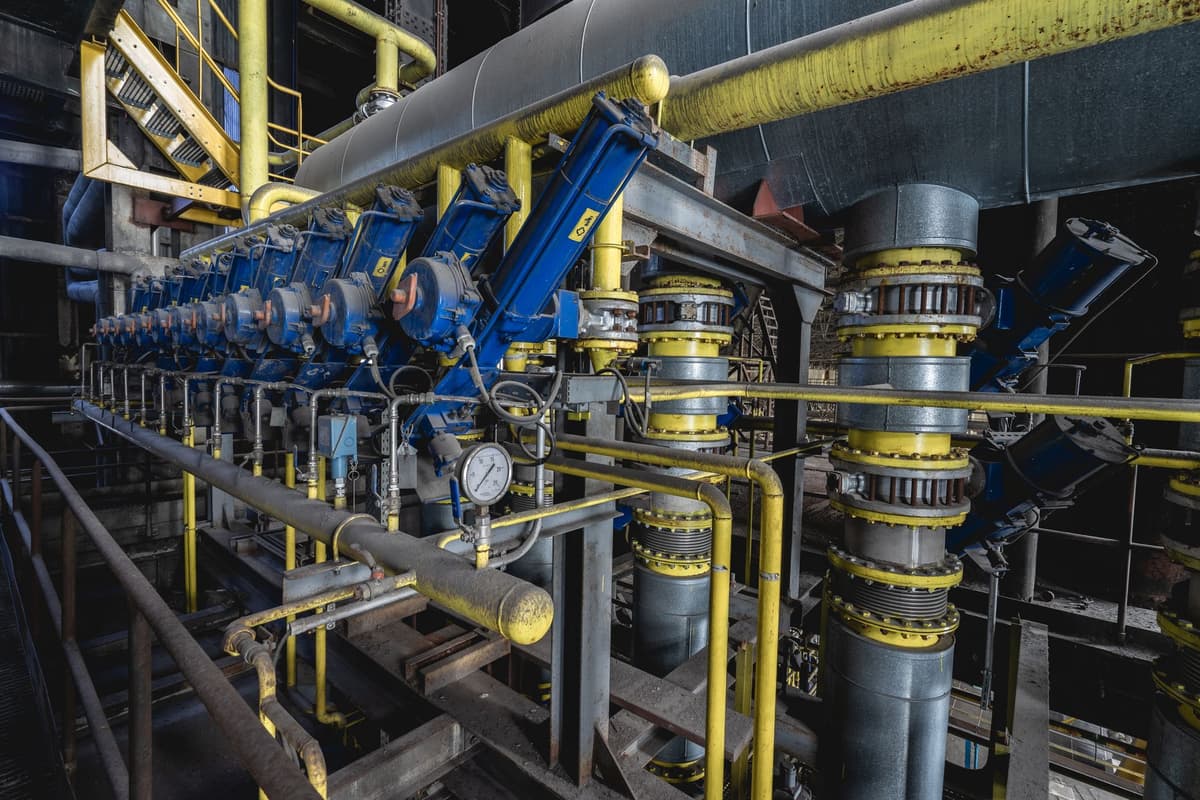
Photo by Sonny Vermeer on Pexels
Engineers call server heat "low-grade" because it typically leaves liquid cooling loops between 40°C and 60°C. For decades, traditional HVAC engineers dismissed this range as too lukewarm to be useful for power generation. That dismissed water, however, is precisely the sweet spot for modern district heating. Systems like those running in Stockholm or Copenhagen do not require boiling steam; they require steady, warm-water loops that modern heat pumps can easily boost to household radiator temperatures.
The math is unforgiving. Running high-wattage silicon while treating the exhaust as trash is economic malpractice. Once you factor in carbon taxes and localized water shortages, the total cost of ownership for a suburban box rises dramatically compared to an integrated urban installation that can sell its thermal exhaust back to a municipal utility.
The Basement Boiler of the High-Rise
This shift demands an entirely new typology of building. For seventy years, the modern skyscraper sat atop concrete parking decks and mechanical dungeons dedicated solely to chillers, backup generators, and gas boilers. Architects are now beginning to draft mixed-use towers where the basement three stories are leased not to parking operators, but to hyper-dense infrastructure firms.
The advantages are structural and symbiotic:
- The foundation of an urban high-rise provides immediate seismic and physical security, shielding silicon from exterior hazards.
- Dense metropolitan grids offer redundant, multi-substation power feeds that suburban greenfields take years to permit and build.
- Thermal exhaust travels mere yards through vertical hydronic risers rather than miles across open country, virtually eliminating transmission heat loss.
- The building above acts as a guaranteed, year-round thermal sink for the machines below.
Instead of a developer paying millions to install and fuel a mammoth commercial heating plant, the building's core thermal demand is satisfied by tenants above running complex workloads below. The data center becomes an invisible civic tenant. It does not look like a tech campus; it looks like a 40-story residential block with remarkably efficient utility bills.
Municipal Resistance and Zoning Realities
This integration will not happen through goodwill. It requires an aggressive overhaul of municipal planning codes that still treat any building housing server hardware as heavy industrial zoning. In places like Frankfurt and Amsterdam, cities have had to freeze new data center permits entirely because unintegrated facilities were cannibalizing the electrical grid without offering a single therm of useful energy back to the population.
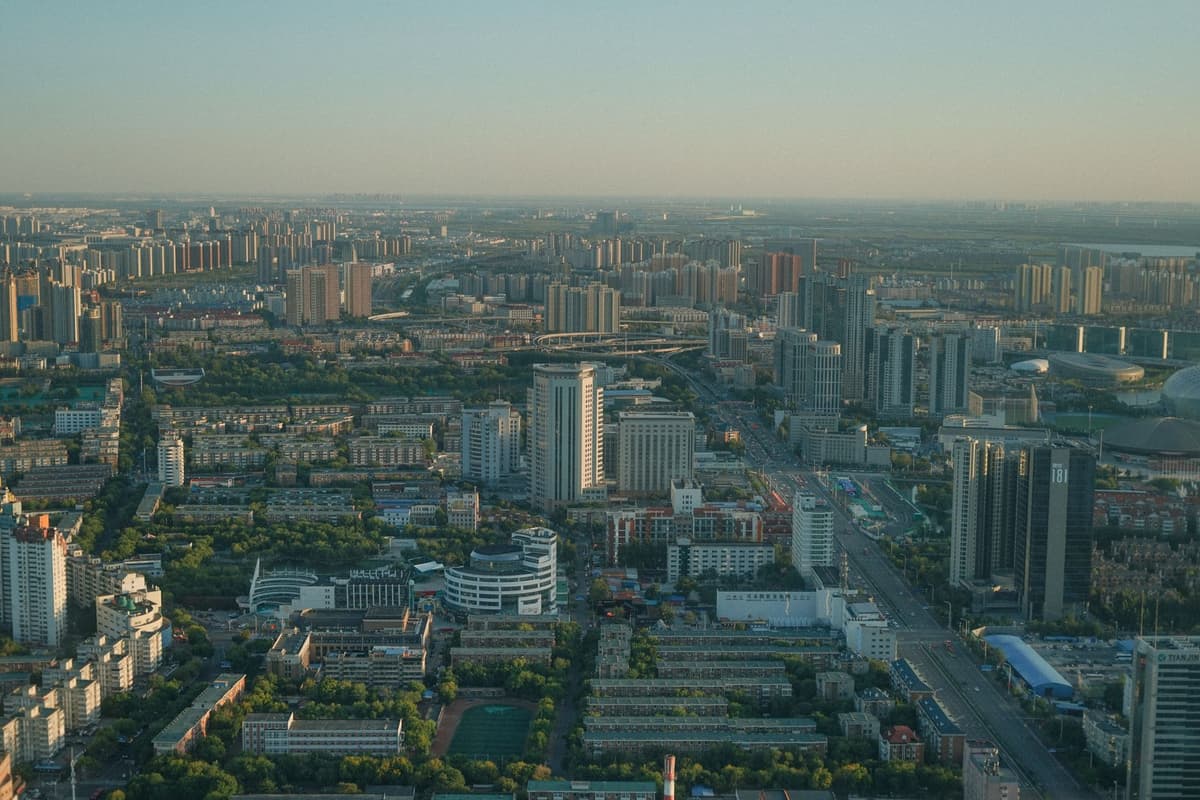
Urban planning must now treat computation the same way it treats public transit or wastewater management. A permit to deploy dense clusters of next-generation chips like MONAKA should be legally contingent on a closed-loop thermal recovery plan. If a tech firm wants to pull 30 megawatts from an urban substation, the municipality must require every joule of that energy to be returned to the district water grid during winter months.
There is, of course, a seasonal bottleneck that critics consistently raise: summer. A city in August has zero interest in server exhaust. But modern thermal urbanism solves this through subterranean thermal energy storage (ATES), pumping warm water into deep aquifers where it can be stored for months until winter temperatures drop, or running it through absorption chillers to produce district air conditioning.
What This Actually Means
The separation between the digital cloud and the physical city was always an illusion, one created by an era of cheap energy and low-density chips. That era is over. The architectural blueprint of the twenty-first-century city will be defined by the thermodynamic demands of the processors that calculate its data.
When we look at advanced silicon roadmaps, we are no longer just looking at microarchitectures, transistor budgets, and packaging breakthroughs. We are looking at the thermal profiles of our neighborhoods. The hardware industry has spent decades attempting to engineer away the physical reality of heat; thermal urbanism acknowledges that heat is not an engineering failure, but a civic resource.
The data centers of the next decade will not be gray monolithic boxes sprawling across farmland. They will be the hidden foundations beneath our feet, humming quietly under the sidewalks, keeping the city above them alive.
Quick Answers
Why can't we just keep air-cooling data centers in rural areas?
Modern chip densities push so much thermal energy into such small footprints that air cooling requires unacceptable volumes of electricity and water. As power grids stall and drought conditions worsen near suburban hubs, the physics of air cooling becomes economically unsustainable.
How does server exhaust heat an entire apartment building?
Direct-to-chip liquid cooling systems capture heat directly at the processor, outputting water between 40°C and 60°C. That warm water is routed through high-efficiency heat pumps, which elevate the temperature slightly for domestic radiant floor heating and tap water without burning fossil fuels.
What happens to all that server heat during the summer months?
Cities utilize seasonal aquifer thermal energy storage (ATES) to pump excess heat underground for extraction in the winter, or employ absorption chillers that use thermal energy directly to power central district cooling systems.